
For B2B buyers sourcing wire shelving systems, one of the most common questions is whether to work directly with a manufacturer or through a distributor. Both options play important roles in the supply chain, but they serve different types of buyers and project requirements.
Understanding the differences between wire shelving manufacturers and distributors helps B2B buyers make more informed sourcing decisions, reduce risk, and align suppliers with long-term business goals.
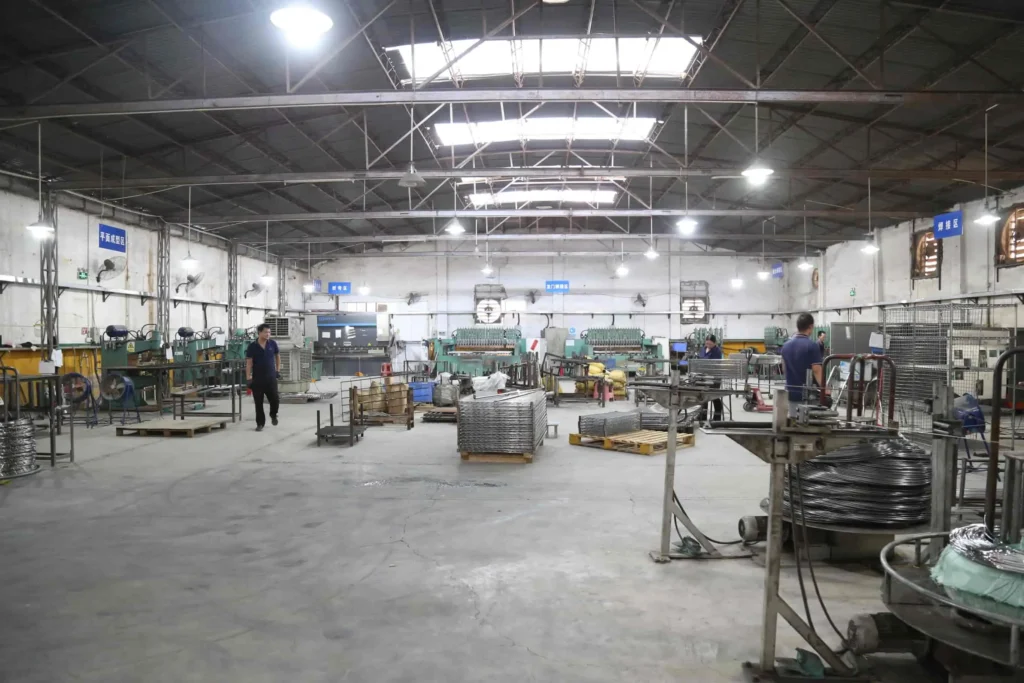
Understanding the Role of a Wire Shelving Manufacturer
A wire shelving manufacturer is responsible for producing shelving systems from raw materials through finished products. Manufacturers typically control processes such as wire forming, welding, surface treatment, quality inspection, and packaging.
For B2B buyers, working directly with a manufacturer often means greater involvement in the production process and more flexibility in product specifications. Manufacturers are usually better positioned to support OEM, ODM, or project-based orders.
Manufacturers are most suitable for buyers who require:
Customized dimensions, load ratings, or surface finishes
Private label or OEM branding
Large-volume or repeat orders
Long-term supply relationships
However, working directly with a manufacturer may require more upfront coordination, technical communication, and longer lead times compared to off-the-shelf purchasing.
Understanding the Role of a Wire Shelving Distributor
A distributor acts as an intermediary between manufacturers and end users. Distributors typically stock standardized wire shelving products and focus on sales, logistics, and local support rather than production.
For many B2B buyers, distributors provide convenience and speed. They often maintain local inventory, offer shorter lead times, and simplify purchasing for standard requirements.
Distributors are generally a good fit for buyers who prioritize:
Fast delivery from local stock
Standardized products with fixed specifications
Smaller order quantities
Minimal involvement in product design or engineering
The trade-off is that distributors usually offer limited customization options and less flexibility for non-standard projects.
Key Differences Between Manufacturers and Distributors
While both serve B2B markets, their value propositions differ significantly. The choice depends on how closely the supplier needs to align with the buyer’s operational and project requirements.
From a sourcing perspective, manufacturers tend to offer greater control over product design and cost structure, while distributors focus on availability and ease of purchase. Manufacturers are typically more involved in early-stage planning, whereas distributors are optimized for quick fulfillment.
Cost Considerations for B2B Buyers
Pricing structures differ between manufacturers and distributors. Manufacturers often provide more competitive unit pricing for large volumes or long-term contracts, as there are fewer intermediaries involved.
Distributors, on the other hand, may have higher per-unit costs but reduce indirect expenses related to coordination, storage, and logistics. For short-term or small-scale needs, these efficiencies can offset higher pricing.
B2B buyers should consider total cost of ownership rather than unit price alone, including:
Customization or tooling costs
Inventory holding and logistics expenses
Long-term replacement or expansion needs
Lead Time and Supply Stability
Lead time expectations differ significantly between the two options. Manufacturers usually operate on production schedules, which may result in longer initial lead times but more predictable repeat deliveries once production is established.
Distributors typically offer faster delivery for stocked items, making them suitable for urgent or short-notice requirements. However, availability may fluctuate depending on inventory levels and supplier relationships.
For projects involving phased rollouts or multi-location installations, supply stability and consistency often matter more than immediate speed.
Customization and Technical Support
Customization is one of the clearest distinctions between manufacturers and distributors. Manufacturers can adjust designs, materials, and finishes to match specific application needs, while distributors usually sell predefined configurations.
In commercial or industrial projects, manufacturers may also provide basic engineering or technical input to ensure shelving systems meet load, safety, and usage requirements. Distributors typically focus on product selection rather than technical adaptation.

Which Option Is Better for B2B Buyers?
There is no universal answer. The better choice depends on the buyer’s business model, project complexity, and long-term strategy.
Working with a wire shelving manufacturer is often better when:
Projects involve customization or non-standard requirements
Buyers need OEM or private label solutions
Long-term supply consistency is important
Working with a distributor is often better when:
Speed and local availability are critical
Products are standardized and widely used
Order volumes are relatively small
Some B2B buyers use a hybrid approach, sourcing customized or core products directly from manufacturers while relying on distributors for supplementary or urgent needs.
Conclusion
For B2B buyers, the decision between a wire shelving manufacturer and a distributor is not about which option is universally better, but which is better suited to specific sourcing objectives.
Manufacturers offer flexibility, scalability, and deeper production involvement, while distributors provide convenience, speed, and simplified purchasing. Understanding these differences allows buyers to align supplier selection with project requirements, operational priorities, and long-term business goals.
Choosing the right sourcing model ultimately improves efficiency, reduces risk, and supports sustainable growth in commercial and industrial storage projects.