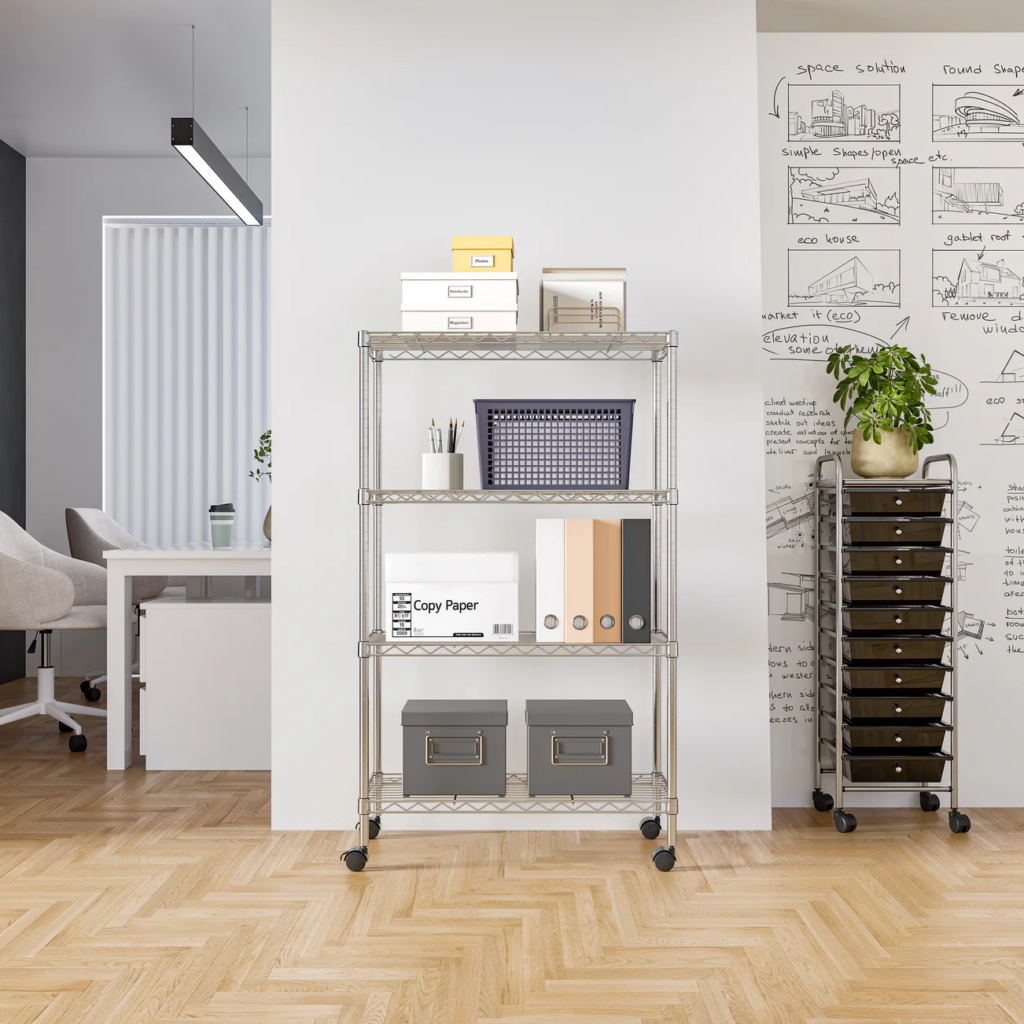
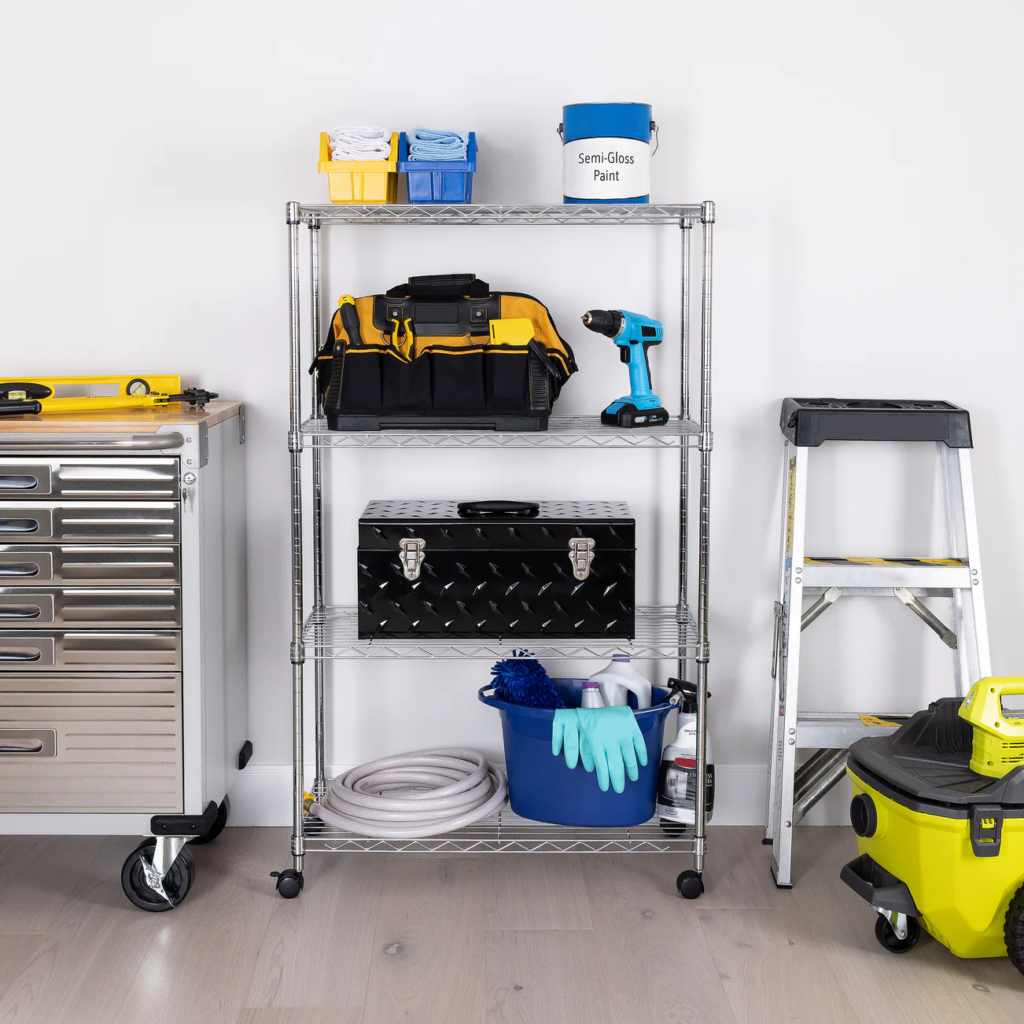
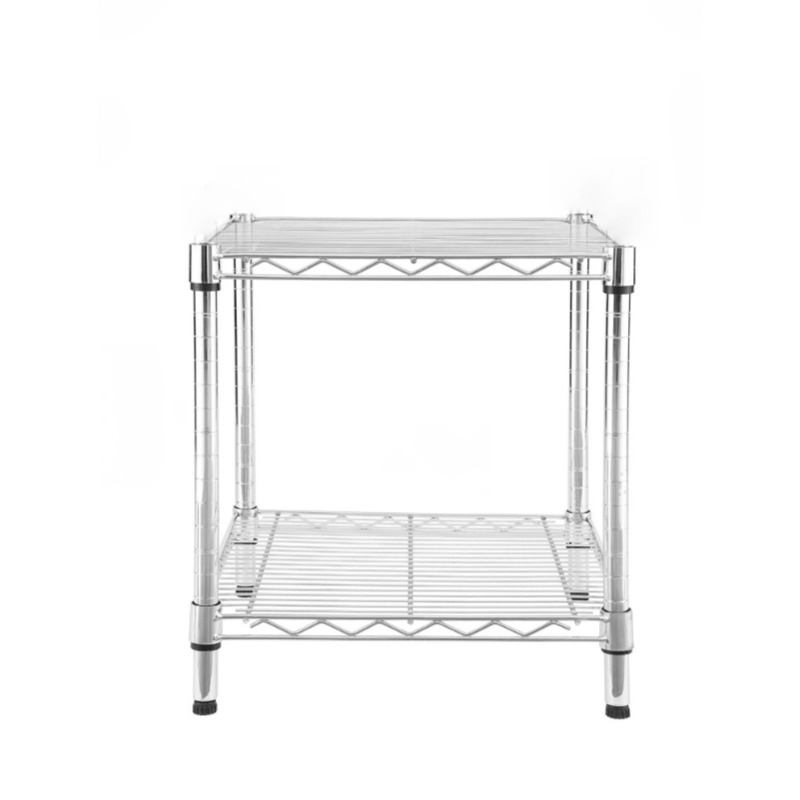
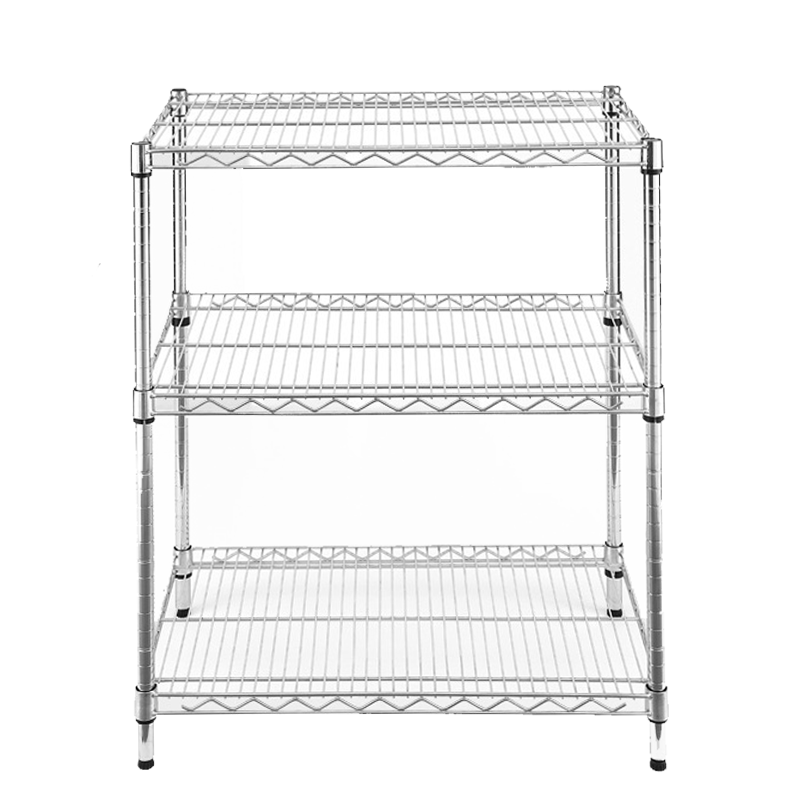
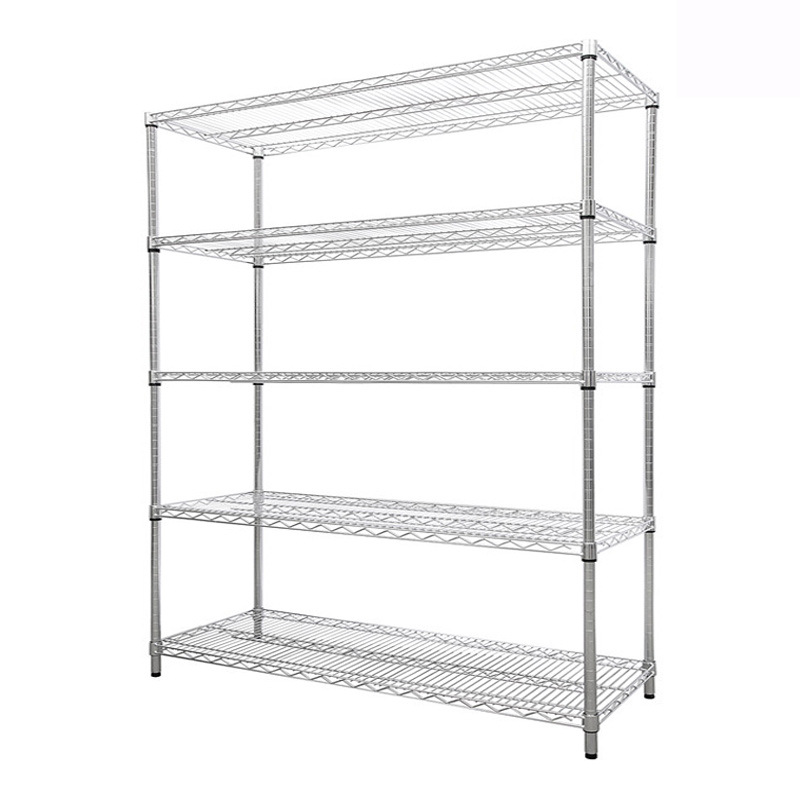
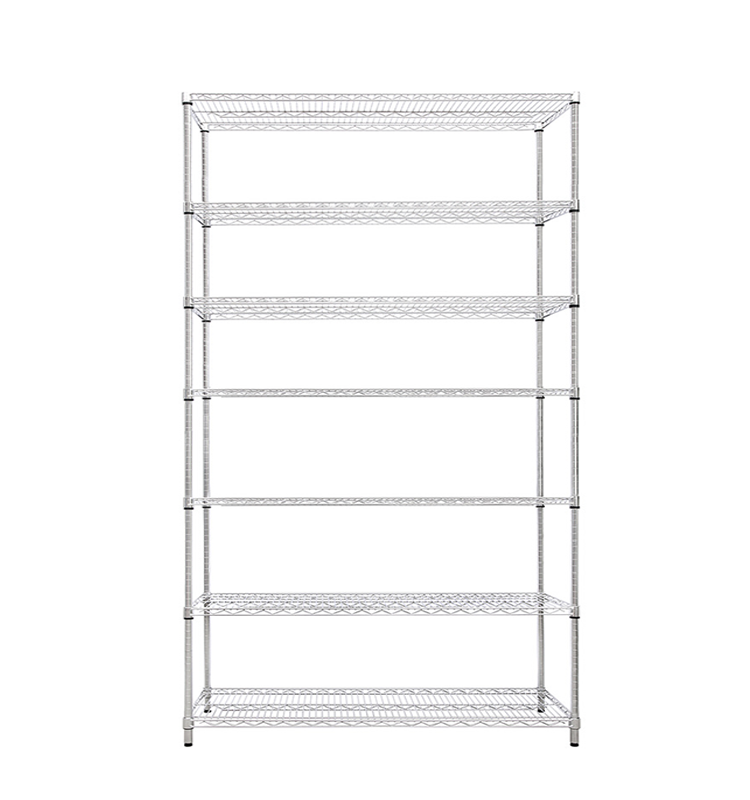
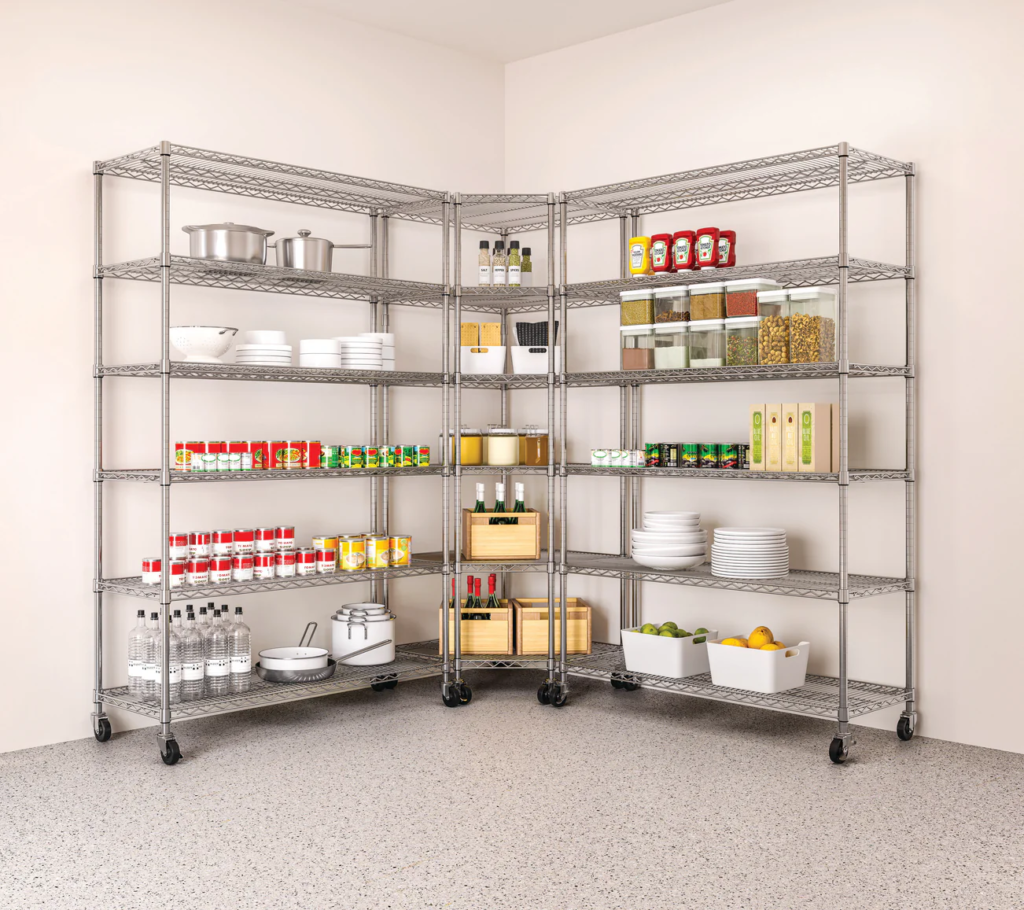
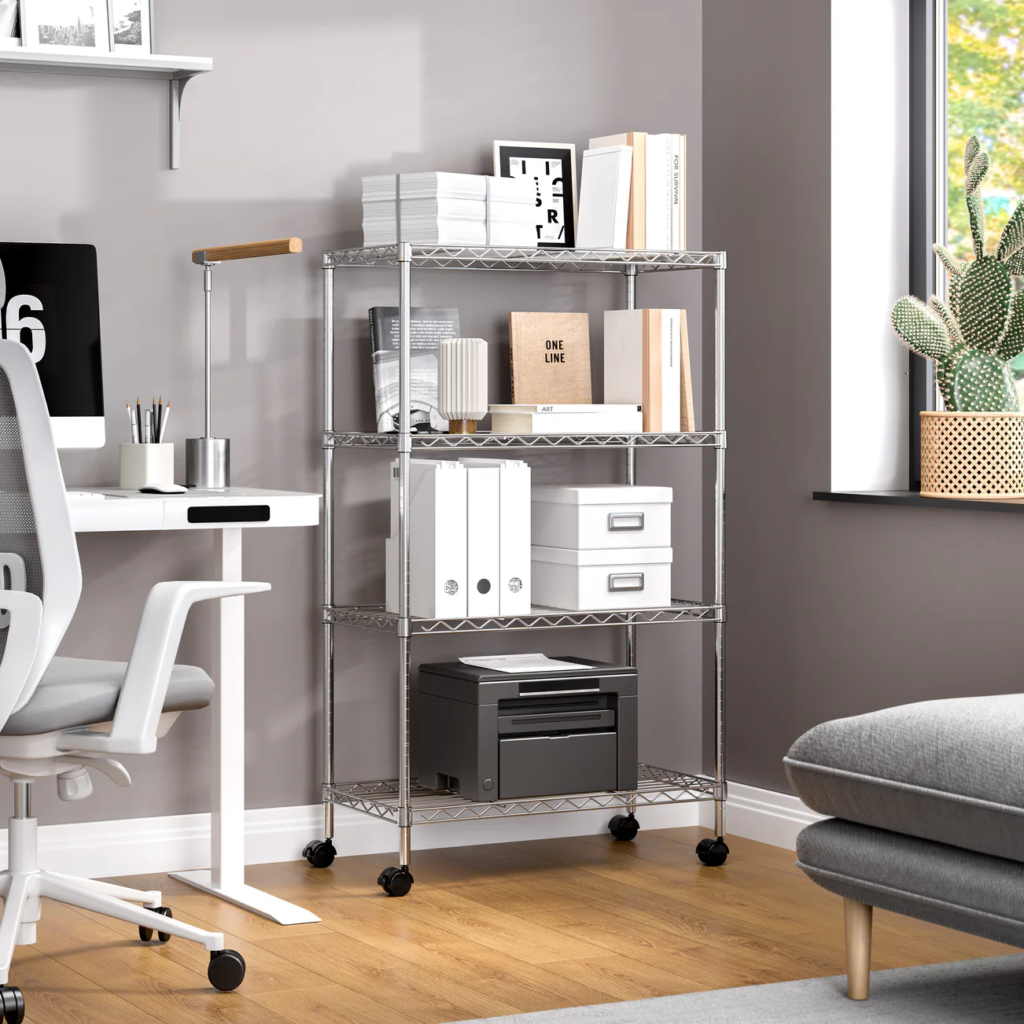
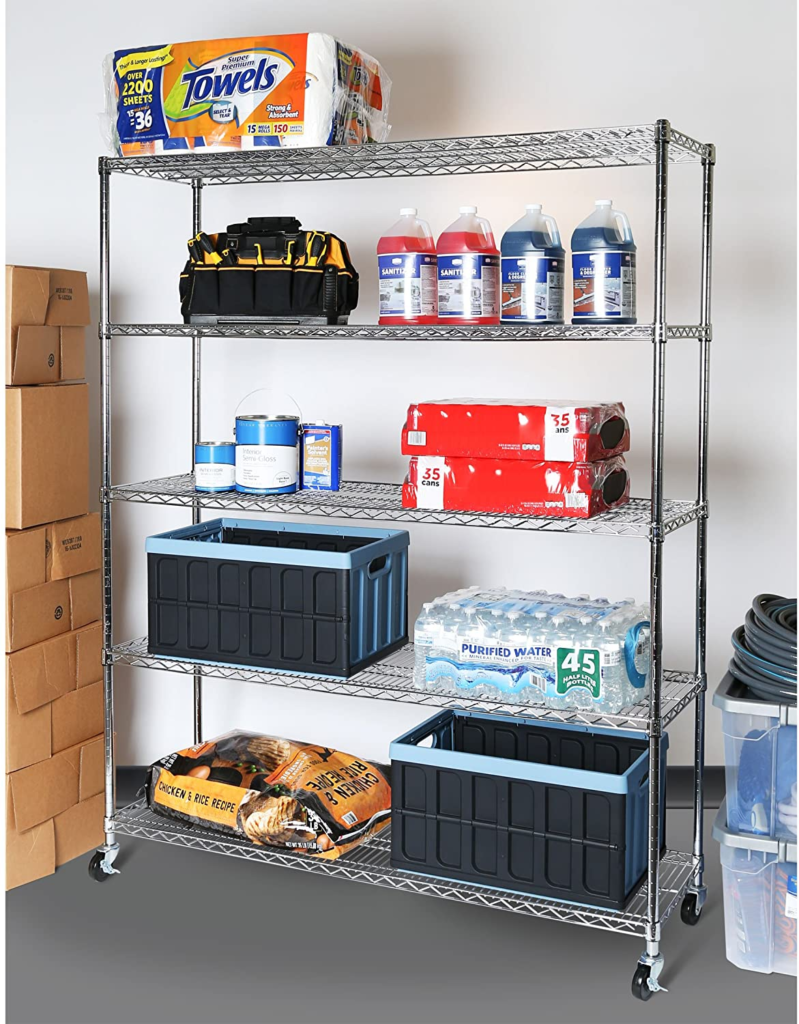
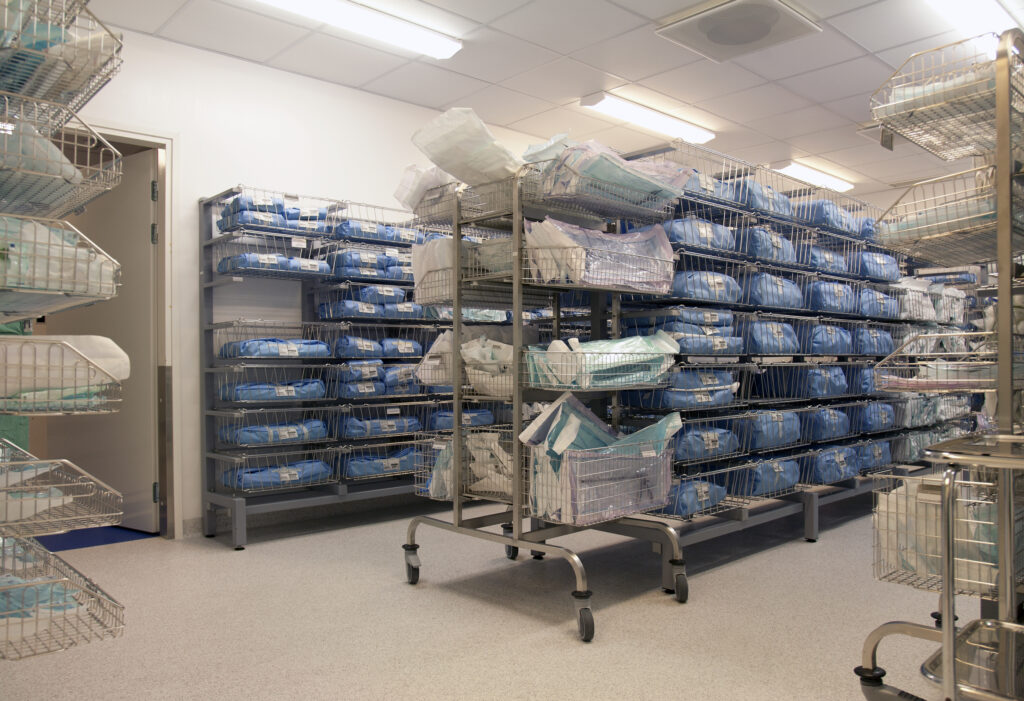
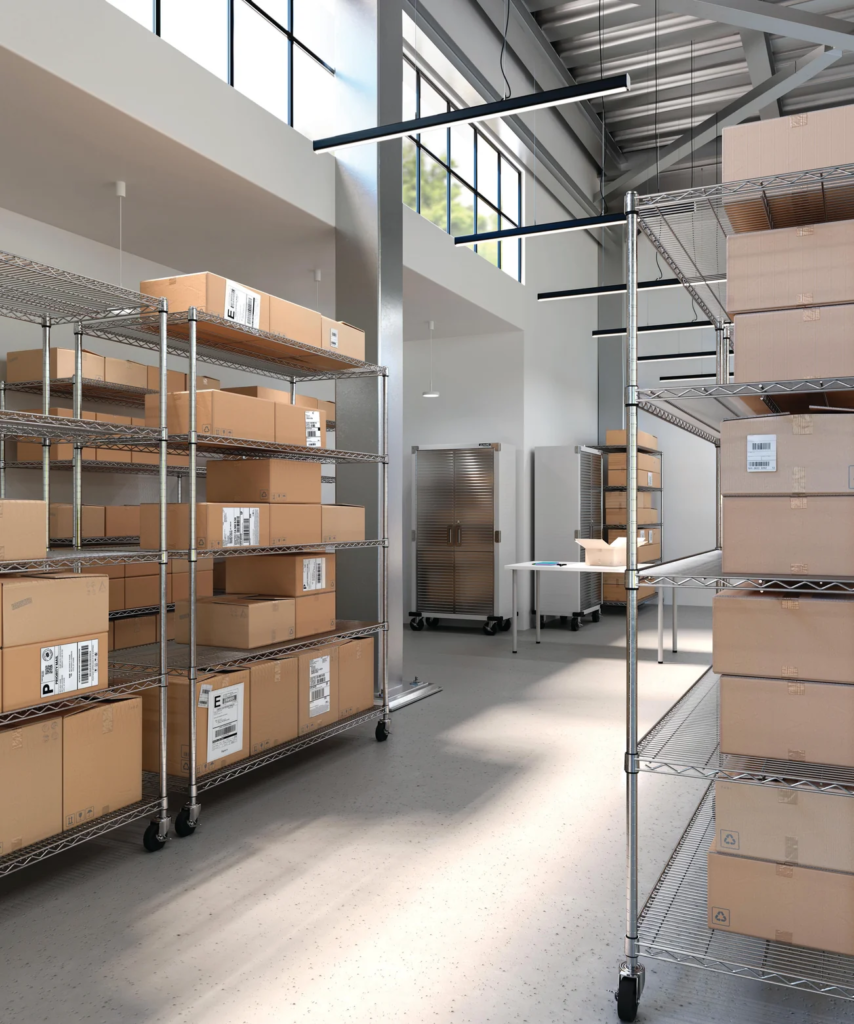
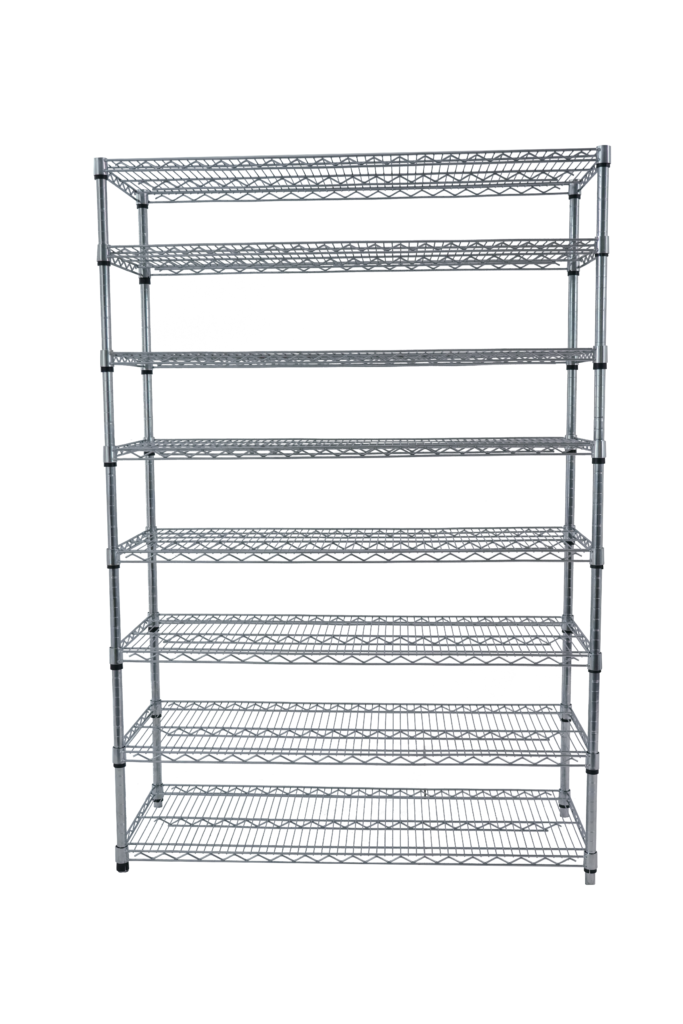
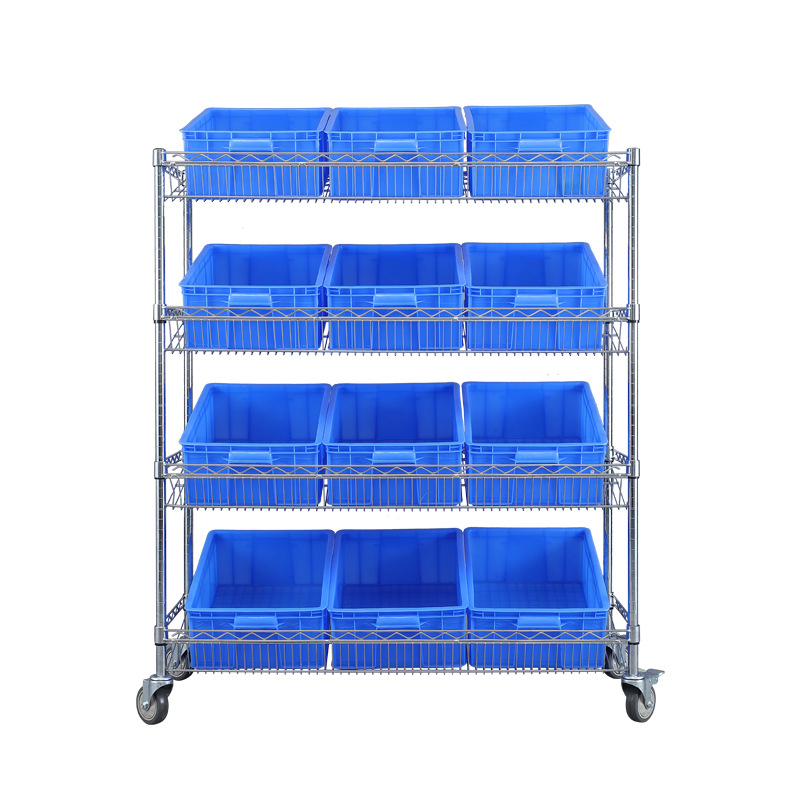
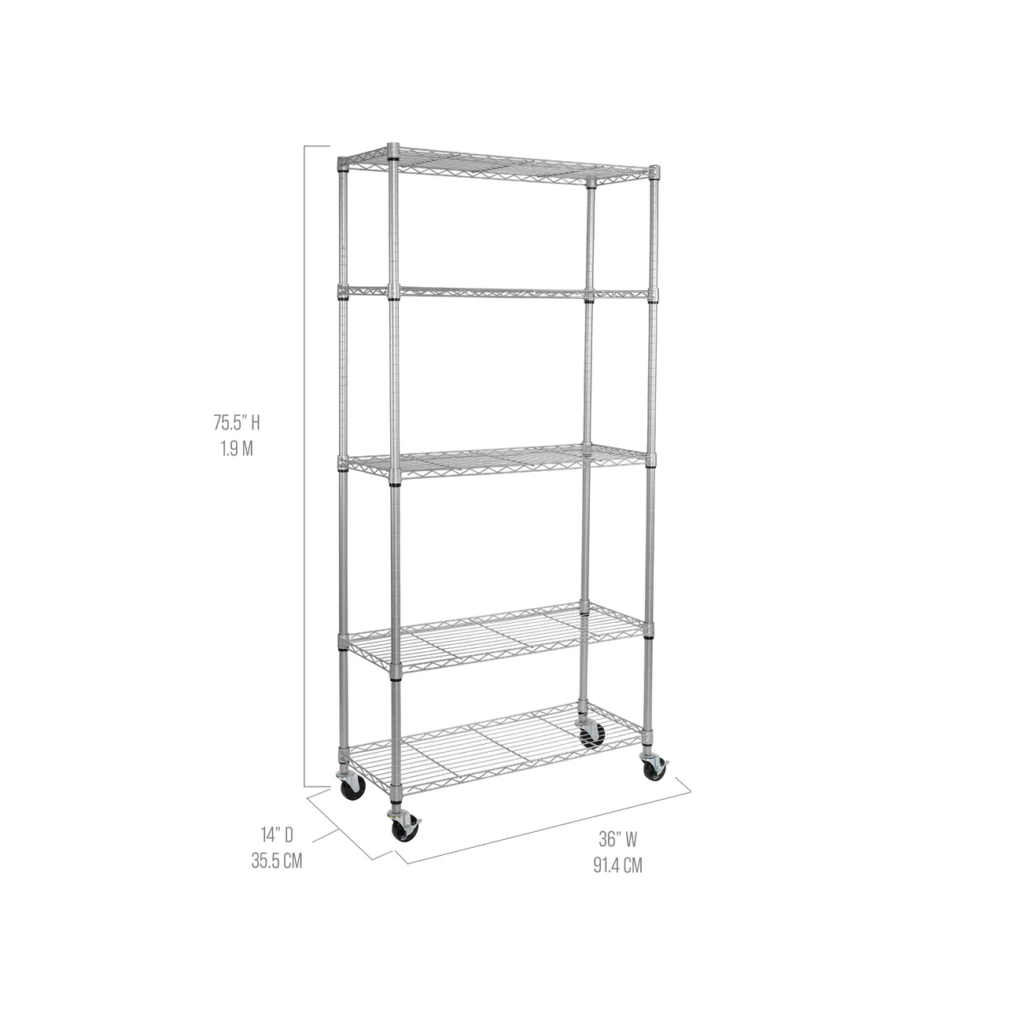
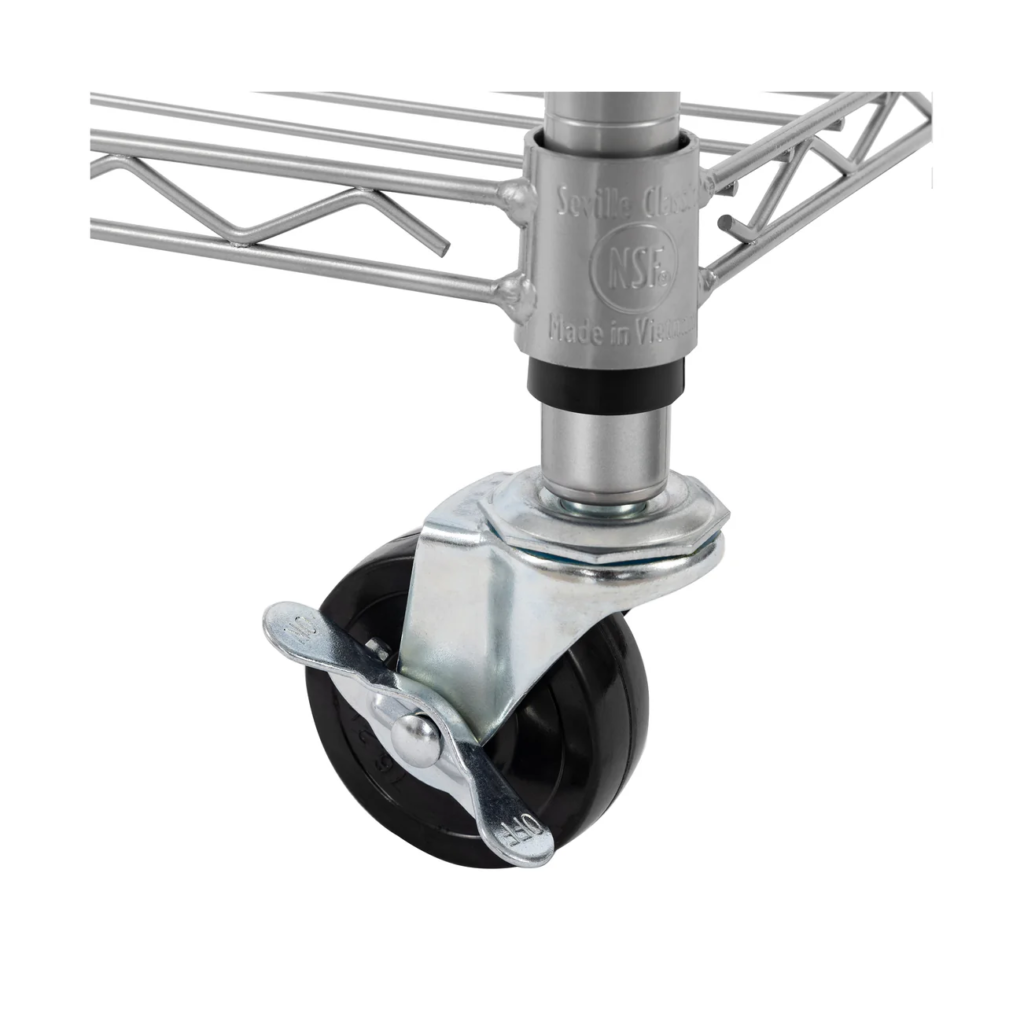
In many commercial and industrial spaces, storage does not need to be complex, but it does need to be reliable. Utility shelving exists for exactly this purpose. It is designed to handle daily storage tasks in warehouses, backrooms, workshops, offices, and facilities where practicality matters more than specialization.
Unlike pallet racks built for forklifts or wire shelving designed for airflow and visibility, utility shelving focuses on strength, simplicity, and versatility. It supports a wide range of items, from tools and cartons to equipment and supplies, making it one of the most widely used storage systems across different industries.
What Is Utility Shelving?
Utility shelving is a general-purpose shelving system typically made from steel or reinforced metal panels. It is designed for medium to heavy loads and for environments where manual access is the primary mode of operation.
Most utility shelving systems consist of upright frames and solid or semi-solid shelves. The shelves are usually height-adjustable, allowing users to adapt the system to different item sizes. Compared with wire shelving, utility shelving often provides a more solid surface, making it suitable for storing items that are irregular, small, or not packaged in boxes.
Because of its straightforward structure, utility shelving is easy to install, expand, and reconfigure, which is one reason it remains popular in both commercial and industrial settings.
Why Utility Shelving Is Widely Used
The main reason businesses choose utility shelving is practicality. It does not require forklifts, special tools, or complex planning. It simply works in a wide range of situations.
Utility shelving is valued for:
Simple structure and easy assembly
Strong load capacity for daily storage
Adjustable shelf heights
Compatibility with many environments
For facilities that handle mixed inventory or non-standard items, utility shelving offers flexibility without unnecessary cost or complexity.
Typical Application Scenarios
Utility shelving is commonly used in environments where manual access and organized storage are essential.
In warehouses and stockrooms, utility shelving supports cartons, spare parts, tools, and maintenance supplies. It is often used alongside pallet racks to handle items that are not palletized.
In retail backrooms and supermarkets, utility shelving is used for overflow stock, packaging materials, and daily operational supplies.
Workshops and maintenance rooms rely on utility shelving for tools, equipment, and consumables. The solid shelves provide stable support for heavier or uneven items.
Offices, archives, and facilities management areas use utility shelving to store documents, cleaning supplies, and equipment where easy access is required.
Because it adapts easily, utility shelving is often chosen for spaces that serve multiple functions.
Structural Features That Matter
Although utility shelving appears simple, several structural details directly affect performance and durability.
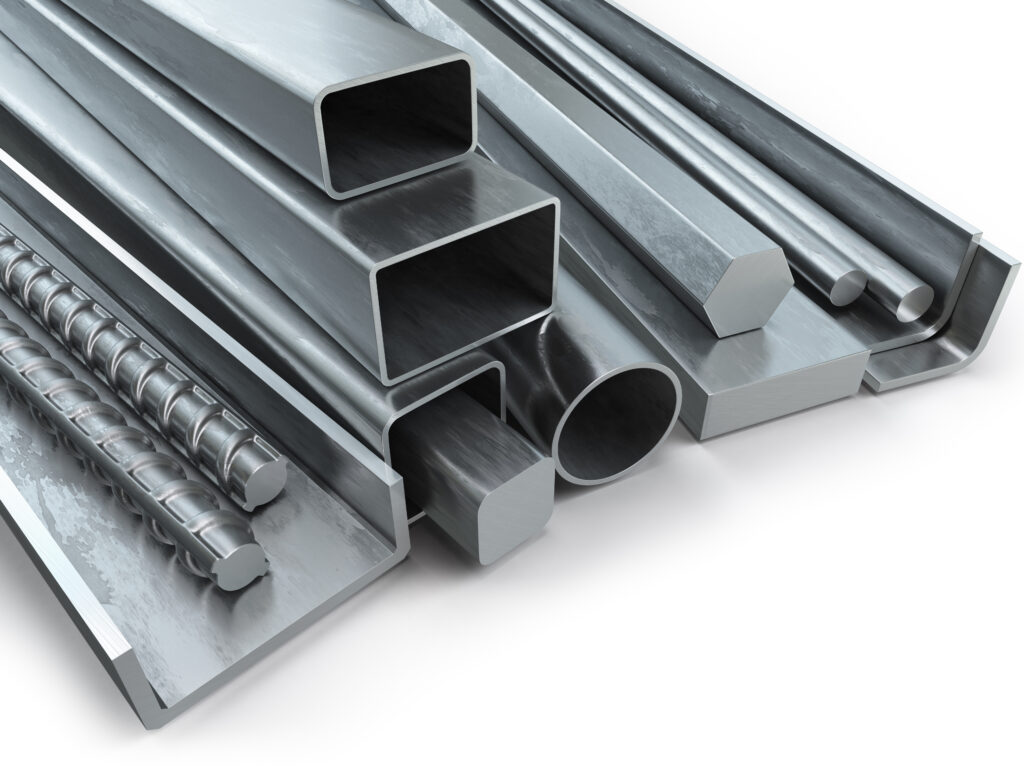
The shelves themselves are typically made from steel panels or reinforced metal sheets. Solid surfaces allow storage of small parts, containers, and tools without the need for additional liners.
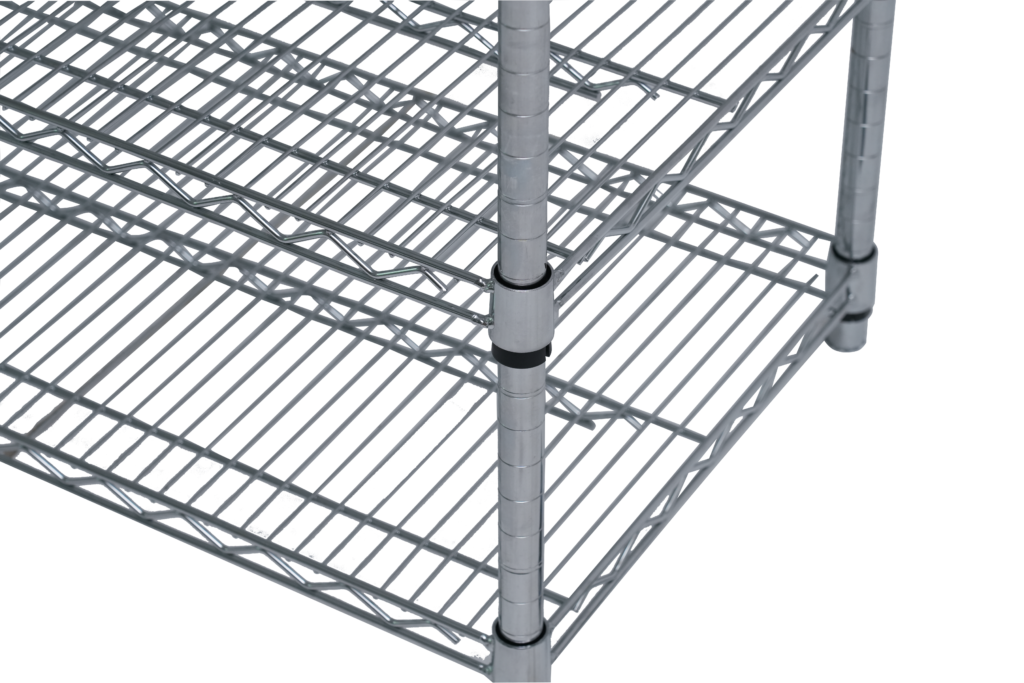
Upright posts support adjustable shelf heights, which helps users maximize vertical space and avoid wasted storage capacity.
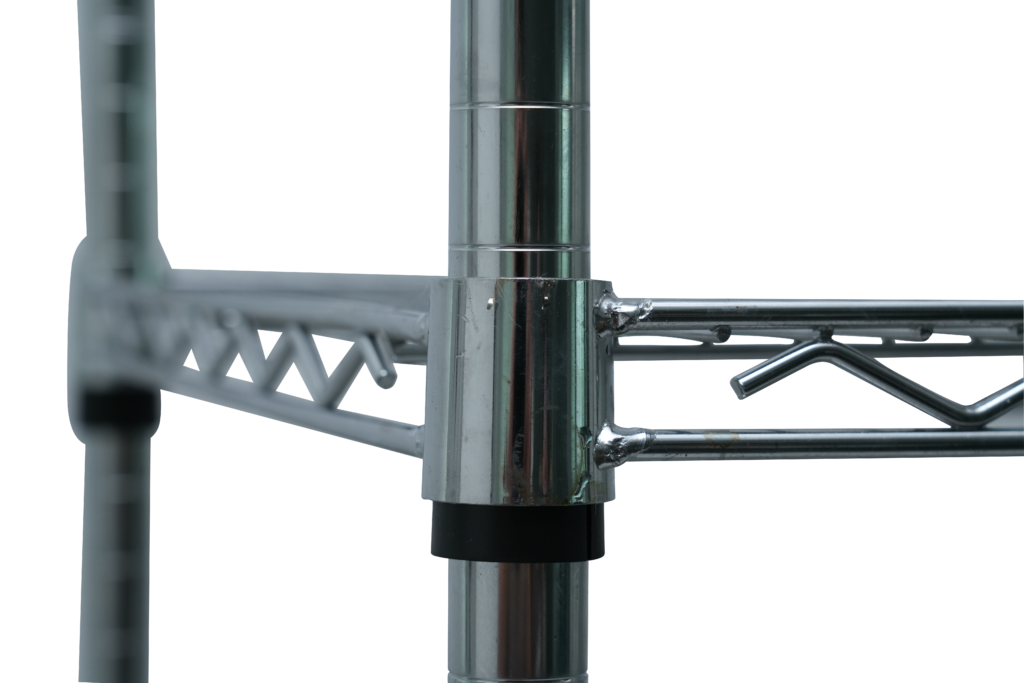
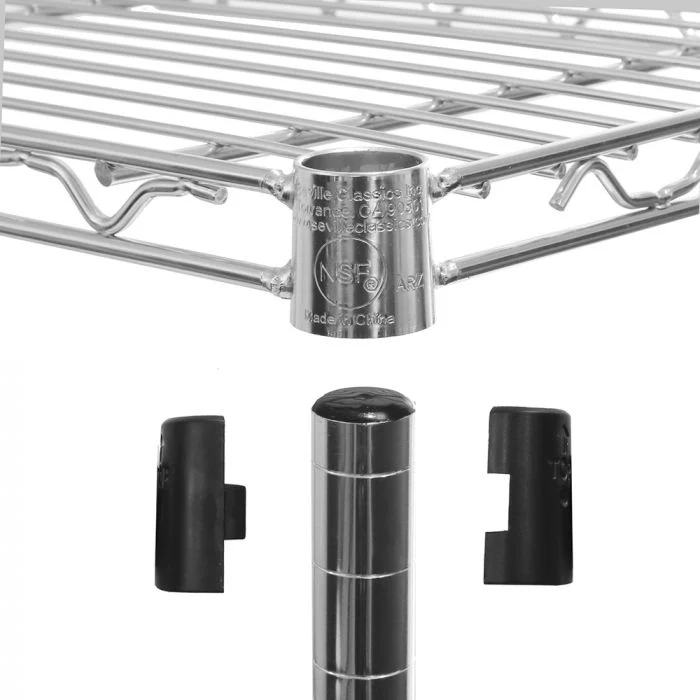
Connection methods vary depending on design. Boltless or clip-based systems allow fast assembly and reconfiguration, while bolted systems provide additional rigidity for heavier loads.
Surface finishes also matter. Powder-coated shelving offers corrosion resistance for general indoor use, while galvanized finishes are suitable for humid or semi-outdoor environments.
Load Capacity and Stability
Utility shelving is designed for medium to heavy loads, making it suitable for daily operational storage.
Actual load capacity depends on:
When properly designed, utility shelving provides stable support for evenly distributed loads. For heavier applications, additional reinforcements or thicker shelves may be used.
Stability is also influenced by proper installation. Level placement and secure connections help ensure long-term performance and safety.
Customization Options for B2B Buyers
One of the strengths of utility shelving is its adaptability. Many systems can be customized to fit specific storage needs.
Common customization options include:
Shelf size and number of tiers
Adjustable shelf spacing
Choice of solid or perforated shelves
Surface finishes such as powder coating or galvanization
Accessories such as dividers, bins, back panels, or side panels can further improve organization and usability.
For distributors and project buyers, OEM and private-label options are often available, making utility shelving suitable for branded storage solutions.
Utility Shelving Compared with Other Shelving Systems
Utility shelving sits between light-duty shelving and heavy industrial racking systems.
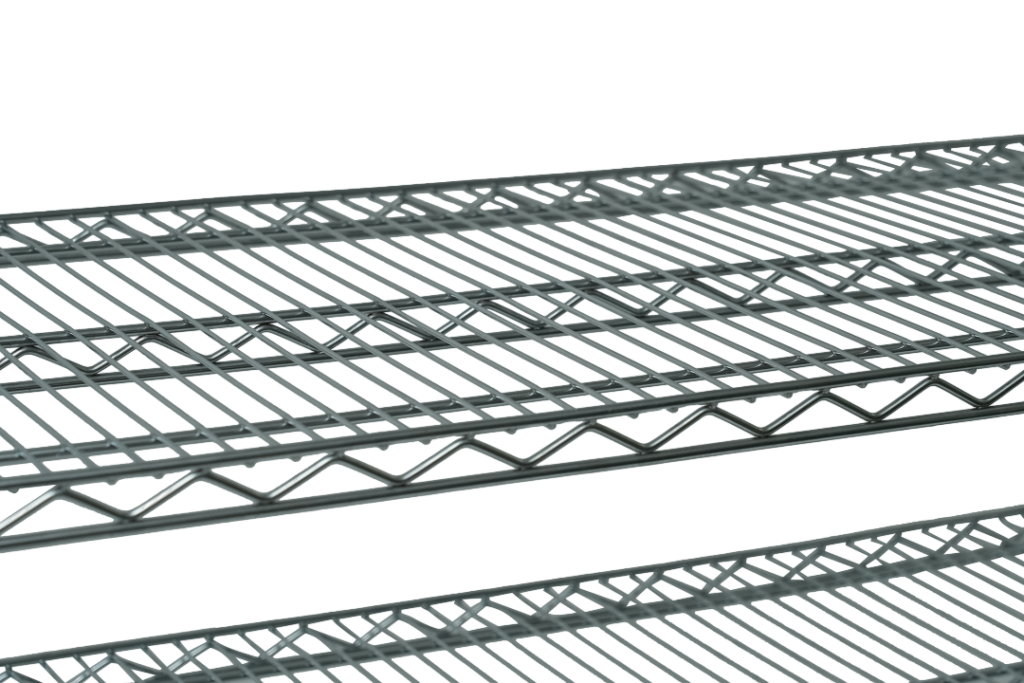
Compared with wire shelving, utility shelving offers solid surfaces and higher load capacity for irregular or small items. However, it does not provide the same level of airflow or visibility.
Compared with pallet racks, utility shelving is intended for manual access rather than forklift operation. It is more flexible for mixed inventory but not suitable for palletized goods.
In many facilities, utility shelving is used alongside other storage systems, serving as a practical solution for day-to-day storage needs.
Installation and Maintenance
Installation of utility shelving is generally straightforward. Most systems are designed for quick assembly with minimal tools.
Maintenance requirements are low. Regular cleaning and periodic inspection of connections are usually sufficient to keep the shelving in good condition.
If a shelf or component is damaged, modular design allows individual parts to be replaced without dismantling the entire system, helping extend the lifespan of the shelving.
Long-Term Value for Commercial Storage
Utility shelving offers strong long-term value because of its durability and adaptability. As storage needs change, shelves can be repositioned, added, or removed without major investment.
For businesses that prioritize functionality, cost control, and ease of use, utility shelving remains a dependable storage solution across many industries.
Choosing the Right Utility Shelving Manufacturer
For B2B buyers, selecting the right manufacturer is essential. Beyond basic specifications, buyers should consider production quality, customization capability, and consistency.
A reliable utility shelving manufacturer should offer stable materials, clear load ratings, and flexible options for different projects. Experience in supplying distributors and commercial clients is also an important factor.
Well-designed utility shelving supports daily operations quietly and efficiently. It may not be the most complex storage system, but in many workplaces, it is one of the most important.