Retail Backroom Shelving: The Ultimate Guide
We manufacture retail backroom shelving designed for efficient stockroom storage and fast restocking. Our systems offer flexible layouts, durable construction, and OEM support for retail and commercial use.
Service Support
Reliable Quality Control
Fast Production & Delivery
After-Sales Assistance
- Home
- 页面: Retail Backroom Shelving
Retail backroom shelving supports efficient storage and fast replenishment behind the sales floor. It helps retailers organize inventory, save space, and keep daily store operations running smoothly.
Although customers rarely see the backroom, this space plays a critical role in retail performance. Every product that appears on the shelf, every size that stays available, and every timely restock depends on how well the backroom is organized. Retail backroom shelving is designed specifically for this environment, where space is limited, SKUs are diverse, and staff rely on fast, manual access to inventory.
What Is Retail Backroom Shelving?
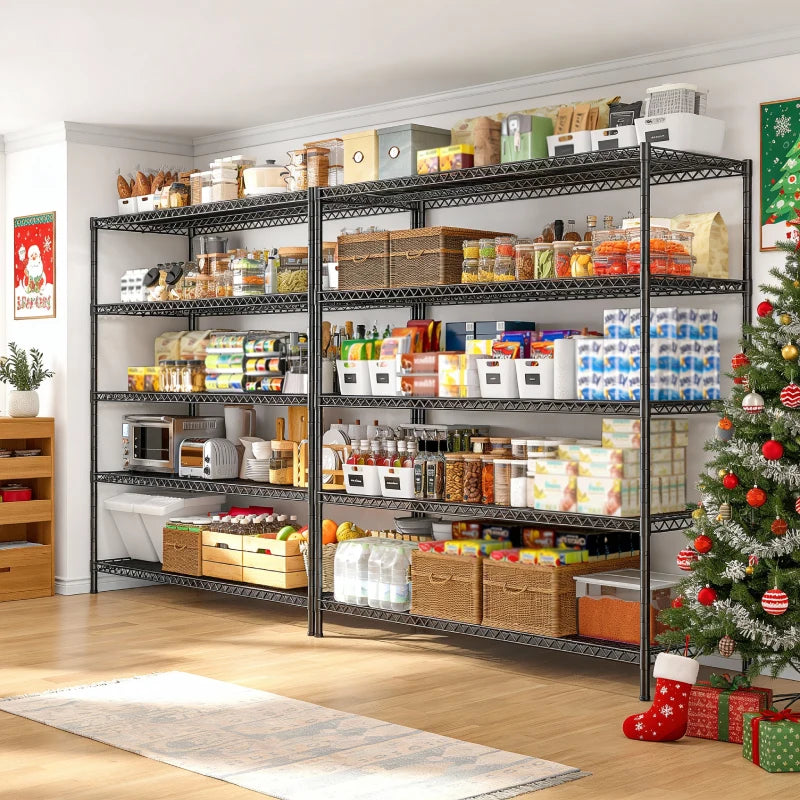
Retail backroom shelving refers to shelving systems used in store stockrooms and back-of-house areas that are not open to customers. These systems are designed for manual handling rather than forklift operation and are typically used to store cartons, inner packs, boxed goods, apparel, footwear, promotional items, and store supplies.
Unlike warehouse racking systems, which are built for palletized storage and heavy machinery, retail backroom shelving focuses on accessibility and flexibility. Shelf heights are usually adjustable, layouts are compact, and configurations can be adapted as product assortments change.
Retail backroom shelving is not intended to maximize load capacity. Its primary purpose is to support fast access, clear organization, and efficient use of limited space in a retail setting.
Why Retail Backroom Shelving Matters
The efficiency of a retail backroom directly affects what happens on the sales floor. When inventory is poorly organized or difficult to locate, restocking slows down and staff productivity decreases.
Well-designed backroom shelving helps retailers:
- Reduce time spent searching for inventory
- Speed up replenishment during peak hours
- Organize stock by SKU, size, or category
- Minimize floor clutter and safety risks
In busy retail environments, even small delays in restocking can impact sales. Clear shelving layouts reduce mistakes, improve stock visibility, and allow store teams to respond faster to customer demand.
Typical Retail Backroom Environments
Retail backroom shelving is used across many store formats, each with different storage challenges.
In supermarkets and convenience stores, backrooms support fast-moving goods with frequent replenishment cycles. Shelving must allow quick access and frequent reorganization as product mixes change.
In apparel and footwear stores, shelving is used for boxed items, folded garments, and accessories. Adjustable shelf spacing and clear labeling are essential for handling multiple sizes and styles.
Electronics and specialty retail stores often store higher-value items in the backroom. In these environments, organization, stability, and controlled access are more important than high storage density.
Large chain stores and big-box retailers typically standardize backroom shelving layouts across locations. This consistency simplifies staff training and improves operational efficiency.
Common Types of Retail Backroom Shelving
Different shelving systems are used in retail backrooms depending on merchandise type and space constraints.
Wire shelving is widely used because of its open structure and flexibility. It offers good visibility, adjustable shelf heights, and airflow, making it suitable for high-SKU environments.
Utility shelving features solid shelves and is often used for irregular items, small packages, or heavier cartons. The solid surface provides stable support where wire shelving may not be ideal.
Mobile shelving is useful when backroom layouts change frequently or when cleaning access is important. Shelving units equipped with casters can be moved easily without unloading stock.
Boltless shelving is commonly used during store fit-outs and renovations. Its tool-free assembly allows fast installation and easy reconfiguration, which is practical for stores that update layouts regularly.
Many retailers combine multiple shelving types within the same backroom to meet different storage needs.
Key Design Considerations for Retail Backroom Shelving
Designing effective retail backroom shelving starts with understanding daily store operations.
Space efficiency is critical, as backrooms are often limited in size. Shelving should make full use of vertical space without blocking access or creating safety hazards. Adjustable shelves help accommodate different packaging sizes and seasonal inventory.
Visibility is another important factor. Staff need to identify products quickly, especially during busy periods. Open shelving designs and clear labeling improve picking speed and reduce errors.
Ease of access matters in confined spaces. Shelf depth, aisle width, and shelf height should allow staff to move safely while carrying products.
Durability is also essential. Retail backroom shelving is used continuously, often under time pressure. Strong materials and stable structures help ensure long-term reliability.
Load Capacity and Safety
Retail backroom shelving is designed for medium-duty loads rather than extreme industrial weights. However, safety and stability remain essential.
Shelves should support evenly distributed loads typically found in retail stockrooms. Overloading shelves or stacking products on the floor increases the risk of damage and injury.
Proper installation and secure connections help maintain structural stability. In high-traffic backrooms, reinforced frames or protective elements may be used to reduce damage from carts and frequent handling.
Clear organization also contributes to safety. Defined storage zones and consistent shelf use help prevent clutter and unsafe stacking practices.
Customization for Retail Backroom Needs
Retail backroom shelving often benefits from customization, especially for chain stores and commercial projects.
Customization options may include:
- Shelf width, depth, and height to fit specific backroom layouts
- Adjustable tier spacing for mixed SKUs
- Surface finishes for durability or hygiene requirements
- Accessories such as shelf liners, dividers, and label holders
For retailers with multiple locations, standardized shelving specifications help ensure consistent layouts and simplify future expansion. OEM and private-label options also allow shelving systems to align with brand requirements.
Retail Backroom Shelving vs Warehouse Racking
Retail backroom shelving is often confused with warehouse racking, but the two systems serve different purposes.
Warehouse racking is designed for palletized goods and forklift access. It focuses on high load capacity and large-scale storage.
Retail backroom shelving is designed for manual access, frequent picking, and high SKU variety. It prioritizes flexibility, visibility, and efficient use of limited space.
Understanding this distinction helps retailers choose appropriate storage systems for different parts of their supply chain.
Long-Term Value for Retail Operations
Investing in the right retail backroom shelving delivers long-term operational value.
Efficient shelving reduces labor time, improves restocking speed, and lowers the risk of inventory damage. Over time, these improvements support better on-shelf availability and a more consistent customer experience.
Modular shelving systems add further value by allowing layouts to be adjusted as product assortments and store formats evolve. This flexibility helps protect the initial investment as retail needs change.
Choosing the Right Retail Backroom Shelving Manufacturer
For B2B buyers, selecting the right shelving manufacturer is an important decision.
A reliable retail backroom shelving manufacturer should understand retail workflows, offer flexible customization, and provide consistent production quality. Experience with commercial projects and export markets is also important for distributors and chain retailers.
Clear communication, stable supply, and practical solutions help ensure shelving systems perform well in real store environments.
Conclusion
Retail backroom shelving is a key part of efficient retail operations, even though it stays behind the scenes. Well-designed shelving helps retailers organize inventory, speed up replenishment, and make better use of limited backroom space. With the right shelving system in place, stores can operate more smoothly, reduce daily inefficiencies, and better support the sales floor.
Wire Retail Shelving Specifications
| Wire Retail Shelving Specifications | |
|---|---|
| Shelf Size Options | 600×350mm / 900×450mm / 1200×450mm / 1200×600mm (custom sizes available) |
| Shelf Material | Carbon Steel / Stainless Steel 304 or 201 |
| Wire Diameter | 4.0mm / 4.5mm / 5.0mm (customizable) |
| Post Diameter | 25mm / 32mm (chrome-plated or powder-coated) |
| Load Capacity | 100–350 kg per shelf (depending on size and reinforcement) |
| Surface Finishes | Chrome / Zinc / Powder Coating / Stainless Steel / Zinc + Powder |
| Height Options | 1200mm / 1500mm / 1800mm / 2000mm (custom heights available) |
| Shelf Adjustability | 1-inch (25.4mm) incremental adjustment |
| Accessories | Dividers, Hooks, Casters, Label Holders, Wire Baskets, Shelf Liners |
| Mobility Option | Fixed Feet or Lockable Heavy-Duty Casters |
| Packaging | Knock-down (KD) export packing with optional custom branding |
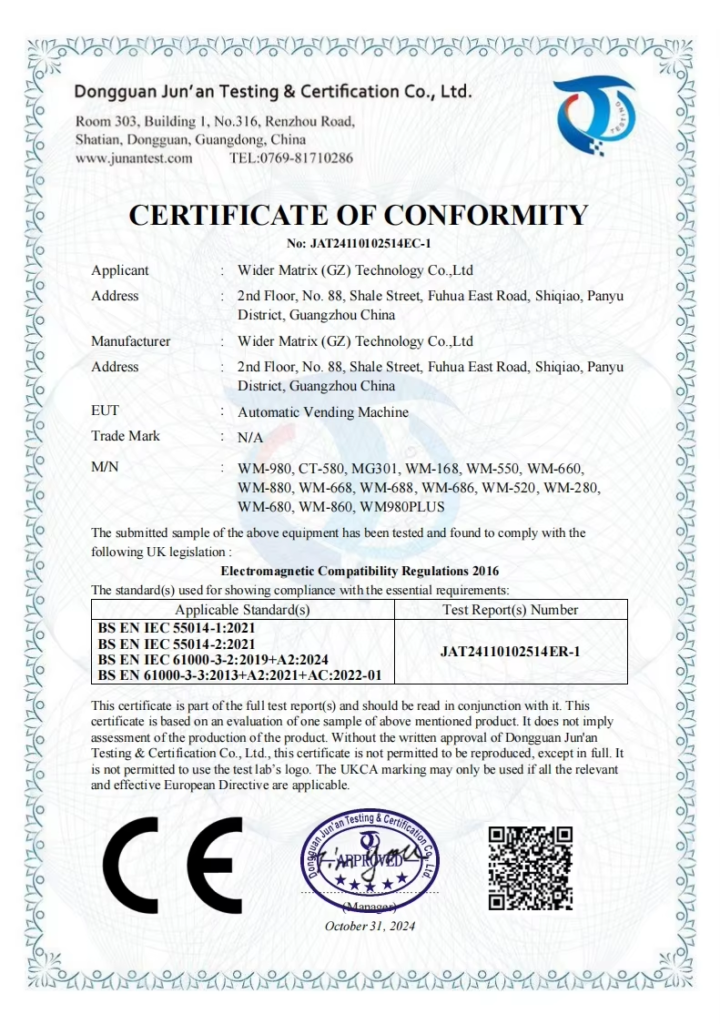
Certificates
About ZEOU
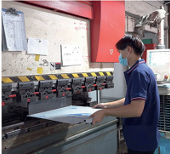
Dongguan Zeou Hardware Products Co., Ltd. specializes in manufacturing metal wire shelving, display racks, logistics carts, and commercial wire storage systems. With technology originating from Taiwan, our headquarters is located in Shenzhen Nanshan, and we established our Dongguan branch in 2013.
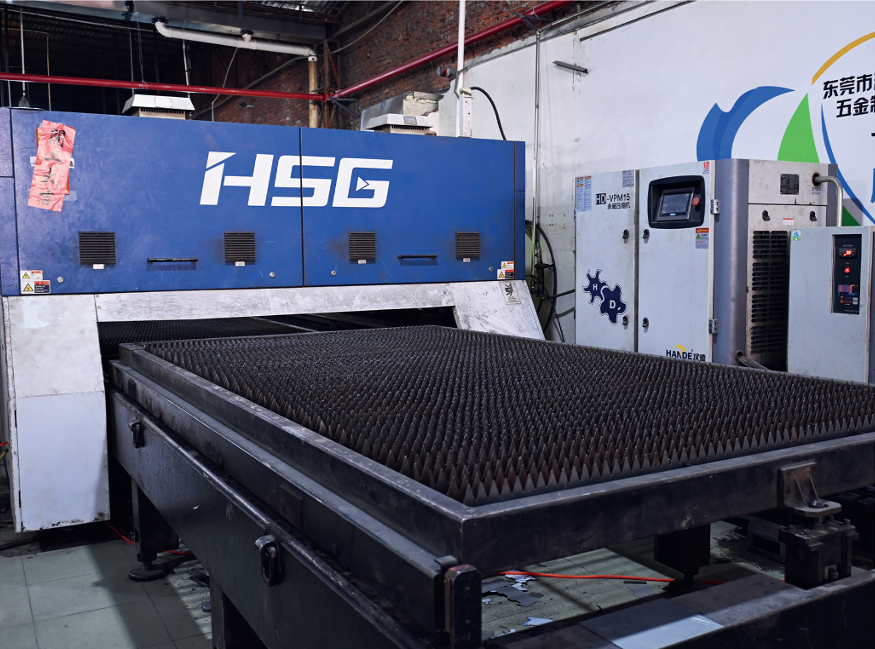
Our factory covers over 15,000 m² and employs 200 staff, including 40 skilled technicians. We export 95% of our products, with a monthly output of up to 200×40HQ containers. About 70% of our equipment is automated, including wire-forming lines, tube and sheet processing lines, robotic welding machines, CO₂ welders, automatic rolling machines, laser cutters, CNC bending machines, and more.
We offer multiple surface treatments such as chrome plating, zinc plating, powder coating, zinc + powder, zinc + clear coating, and stainless-steel electrolytic finishing.
Services
OEM/ODM Custom Manufacturing
Customized sizes, load capacities, finishes, accessories, and packaging based on your retail or distribution needs.
trong Engineering & Technical Support
Professional design assistance for shelving layout, structural optimization, and product matching for different retail environments.
Stable Production & Large-Volume Supply
Automated equipment and high-capacity manufacturing enable fast lead times and reliable long-term supply.
Strict Quality Control System
Material inspection, welding checks, load testing, surface-treatment inspection, and final packing quality checks.
Flexible Logistics & Global Delivery
Support for mixed-container loads, custom labeling, export packing, and worldwide shipping coordination.
FAQS
1. Can ZEOU provide OEM/ODM services for wire retail shelving?
Yes. We offer full OEM/ODM support, including custom sizes, load capacities, finishes, accessories, packaging, and branding options for distributors and retail chains.
2. What is the typical production and delivery time?
Standard models usually take 25–35 days, while customized projects vary depending on complexity and order size. We support urgent production schedules when needed.
3. What surface finishes are available?
We offer chrome plating, zinc/galvanized finish, powder coating, zinc + powder, and stainless-steel finishes to meet different retail, warehouse, and cold-chain environments.
4. What is your monthly production capacity?
Our factory produces up to 200×40HQ containers per month, supported by automated wire-forming, welding, tube-cutting, and coating lines.
5. Do you support small MOQ orders for new markets?
Yes. For new distributors or new market testing, we offer flexible MOQ options. For long-term partners, we support large-volume and long-term supply programs.
6. Can you help design shelving layouts for retail stores or warehouses?
Absolutely. Our engineering team can provide store layout suggestions, load evaluations, and customized shelving solutions based on your retail environment and display needs.
rapid response
Interested in the product? Fill out the form now to get more information.