In almost every modern warehouse, pallet racks play a central role in how goods are stored, accessed, and managed. Whether it is a logistics center, manufacturing plant, or distribution warehouse, pallet racking systems are designed to handle one thing extremely well: storing palletized goods safely and efficiently while working seamlessly with forklifts.
Unlike light-duty shelving used for cartons or loose items, pallet racks are built for weight, scale, and speed. They allow warehouses to expand vertically, maximize floor space, and maintain an organized flow of materials. For businesses handling large volumes of goods, pallet racks are not optional equipment—they are core infrastructure.
What Are Pallet Racks?
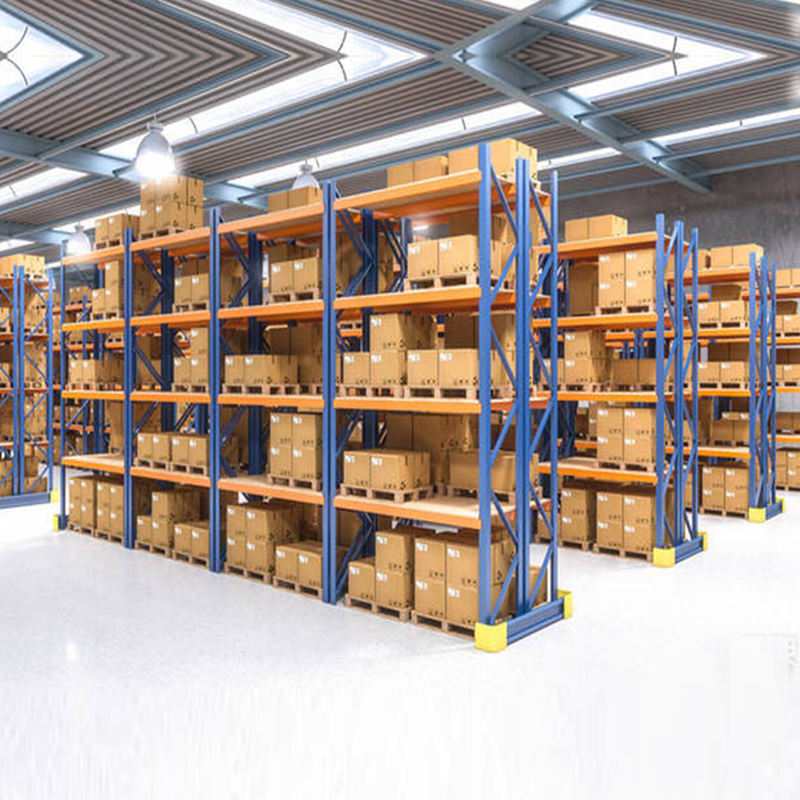
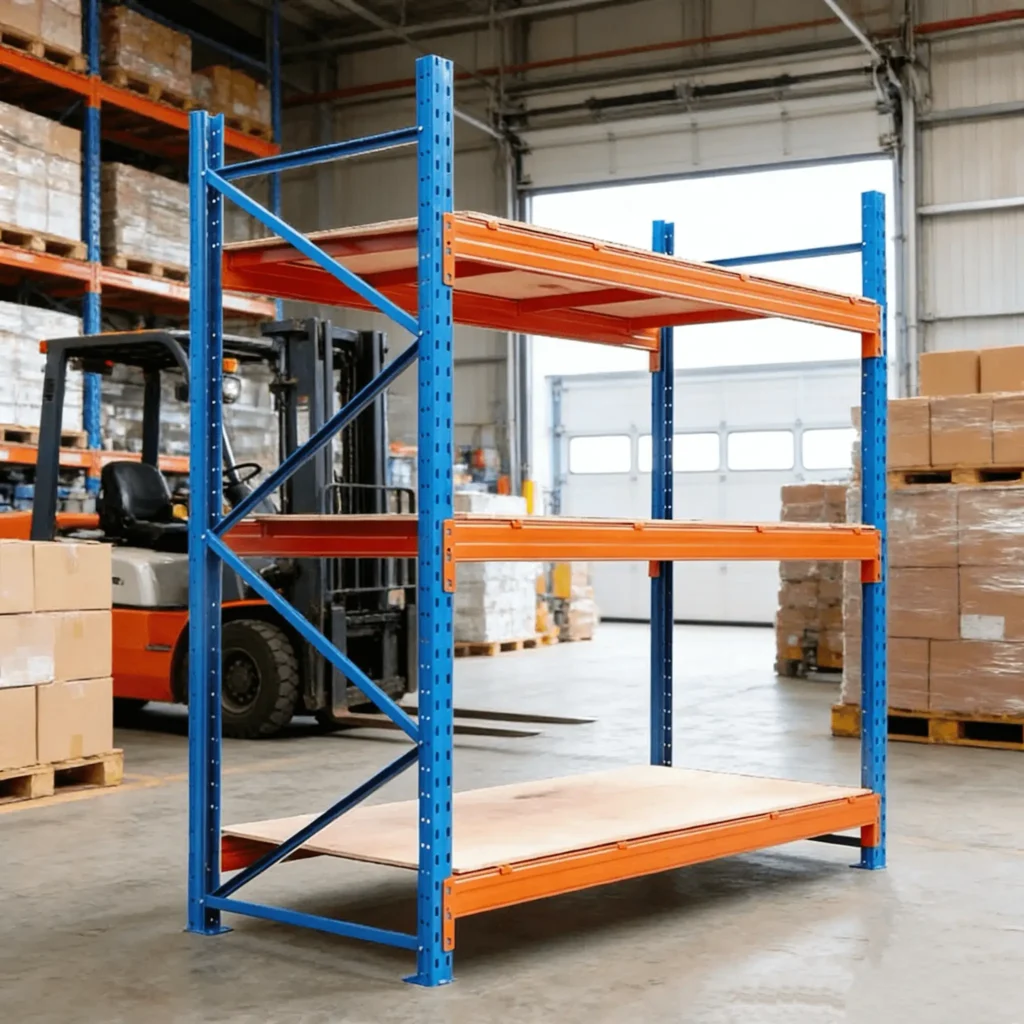
Pallet racks, also known as pallet racking systems, are heavy-duty storage structures designed specifically for pallets. Goods are placed on pallets and stored on horizontal beams that are supported by upright frames. Forklifts are used to load and retrieve pallets from the rack.
The primary purpose of pallet racks is simple but critical: to store large quantities of goods in an organized, safe, and accessible way. By stacking pallets vertically, warehouses can dramatically increase storage capacity without expanding floor area.
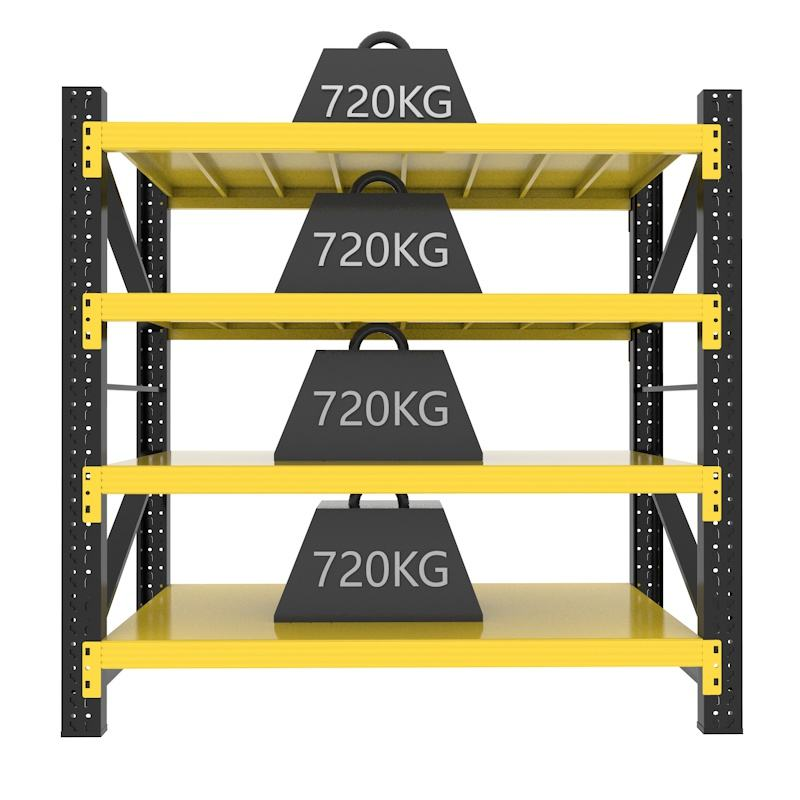
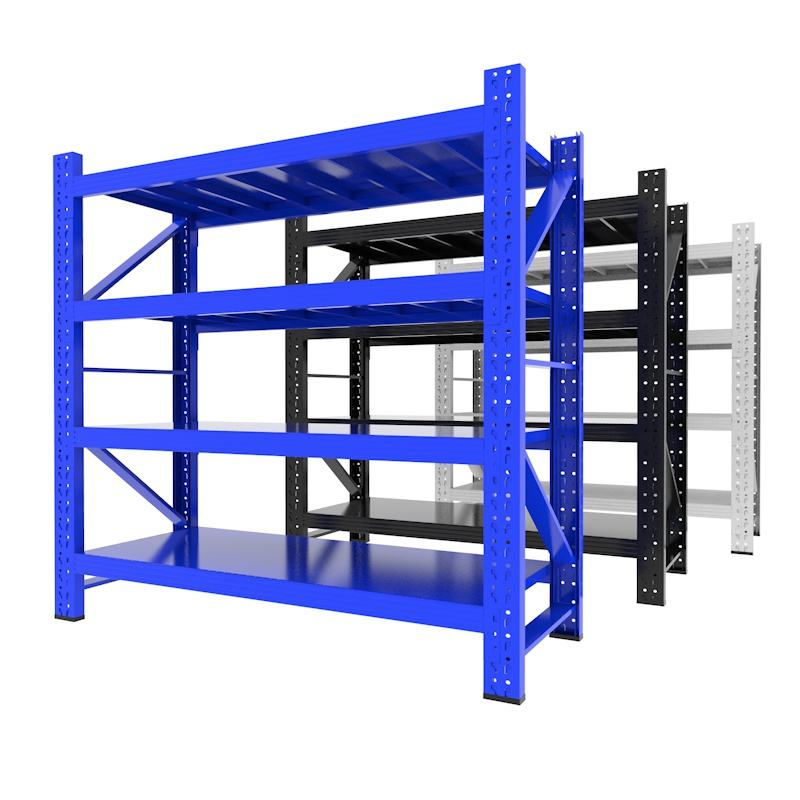
A standard pallet racking system typically consists of:
Upright frames that determine the height and load capacity
Horizontal beams that support the pallets
Safety components such as beam locks, row spacers, and protectors
Each of these elements plays a role in maintaining stability and safety under heavy loads.
Why Pallet Racks Are Essential for Warehouses
The main advantage of pallet racks lies in efficiency. Warehouses deal with constant movement of goods, and pallet racks are designed to support fast and repeatable operations.
By using pallet racks, warehouses can:
Store goods vertically to maximize space
Access pallets quickly using forklifts
Maintain clear inventory organization
Improve safety by keeping loads properly supported
For logistics and distribution centers, this efficiency directly affects throughput and operating costs. Well-designed pallet racking systems reduce congestion, improve picking speed, and support smoother warehouse workflows.
Common Types of Pallet Racking Systems
Different warehouses have different storage strategies, which is why pallet racks are available in several configurations.
Selective pallet racking is the most common type. Every pallet is directly accessible, making it ideal for warehouses with a wide variety of products and high SKU counts.
Drive-in and drive-through racking systems are designed for high-density storage. Forklifts drive directly into the rack structure, which reduces aisle space and increases storage capacity. These systems are often used when storing large volumes of the same product.
Double deep pallet racking places pallets two-deep on each side of the aisle. This increases storage density but requires specialized forklifts and careful inventory management.
Pallet flow racking uses gravity rollers to move pallets forward. It supports first-in, first-out inventory management and is commonly used in food, beverage, and cold storage warehouses.
Choosing the right system depends on inventory turnover, pallet size, warehouse layout, and forklift operation.
Typical Application Scenarios
Pallet racks are used wherever palletized goods need to be stored at scale.
In logistics and distribution centers, pallet racks support high-volume inbound and outbound operations. They allow rapid loading and unloading while keeping inventory organized.
In manufacturing plants, pallet racks are used for raw materials, work-in-progress goods, and finished products. They help separate production stages and maintain efficient material flow.
E-commerce fulfillment warehouses rely on pallet racks to store bulk inventory before items are picked and packed into individual orders.
Cold storage and food warehouses also heavily depend on pallet racking systems, especially when combined with flow racking to support strict inventory rotation requirements.
Structural Strength and Load Capacity
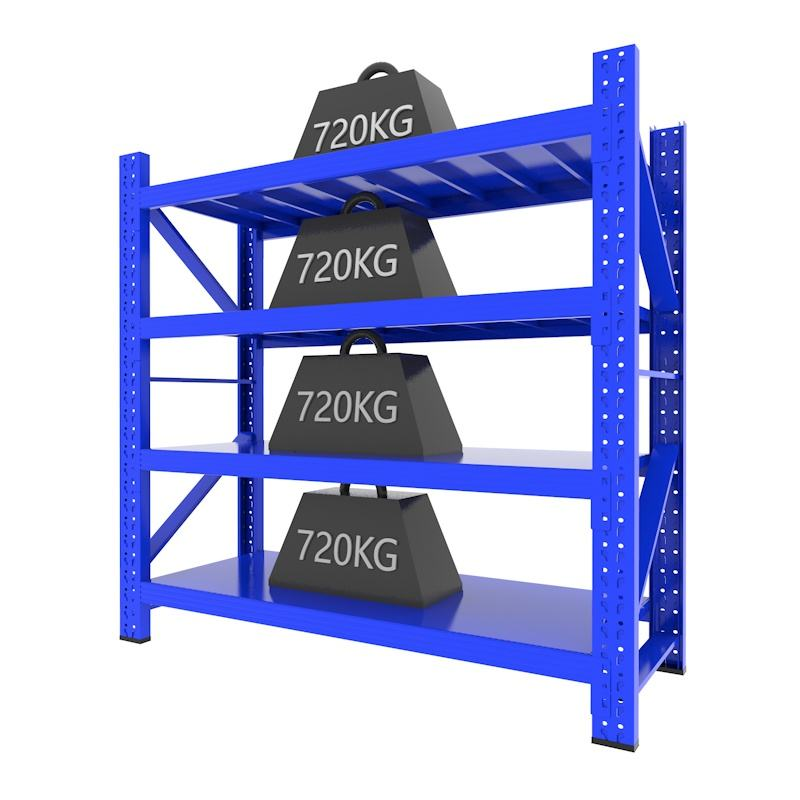
One of the defining features of pallet racks is their load-bearing capability. These systems are designed to support heavy pallet loads over long periods without deformation.
Load capacity depends on factors such as:
Proper engineering ensures that each pallet position can safely handle the intended weight. For industrial warehouses, compliance with local safety standards and load calculations is critical.
Stability is further improved through floor anchoring, row spacers, and protective barriers, especially in high-traffic forklift areas.
Customization for Warehouse Projects
Pallet racks are rarely one-size-fits-all. Most B2B buyers require customization to match their warehouse layout and operational needs.
Common customization options include:
Rack height, depth, and bay width
Beam load ratings and configurations
Compatibility with different pallet sizes
Surface finishes such as powder coating or galvanization
Accessories such as pallet supports, wire decking, upright protectors, and safety guards can be added to improve performance and safety.
For large warehouse projects, pallet racks are often designed as part of a complete storage solution rather than individual components.
Pallet Racks vs Other Storage Systems
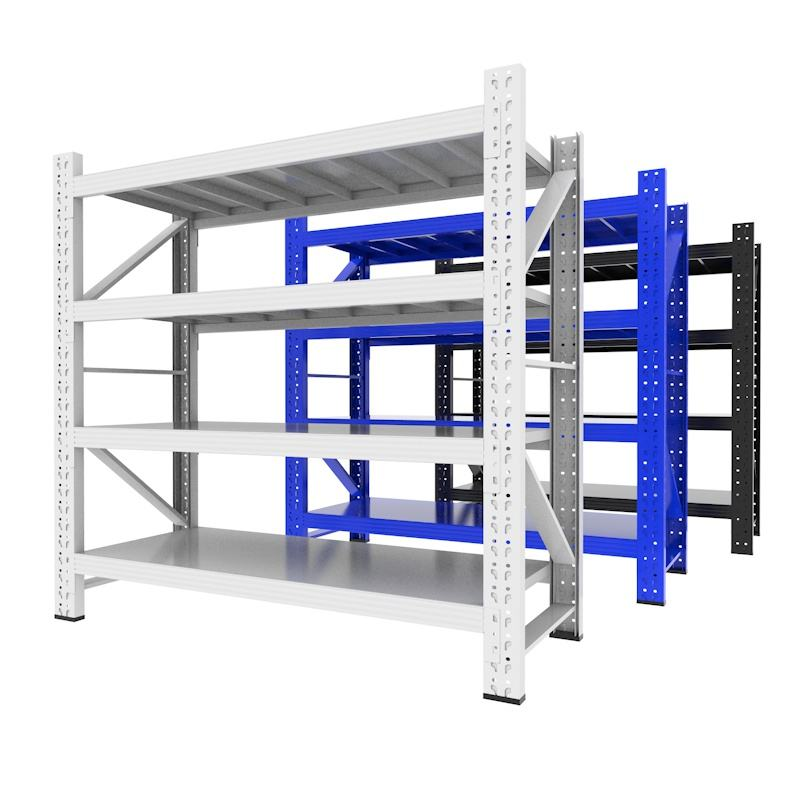
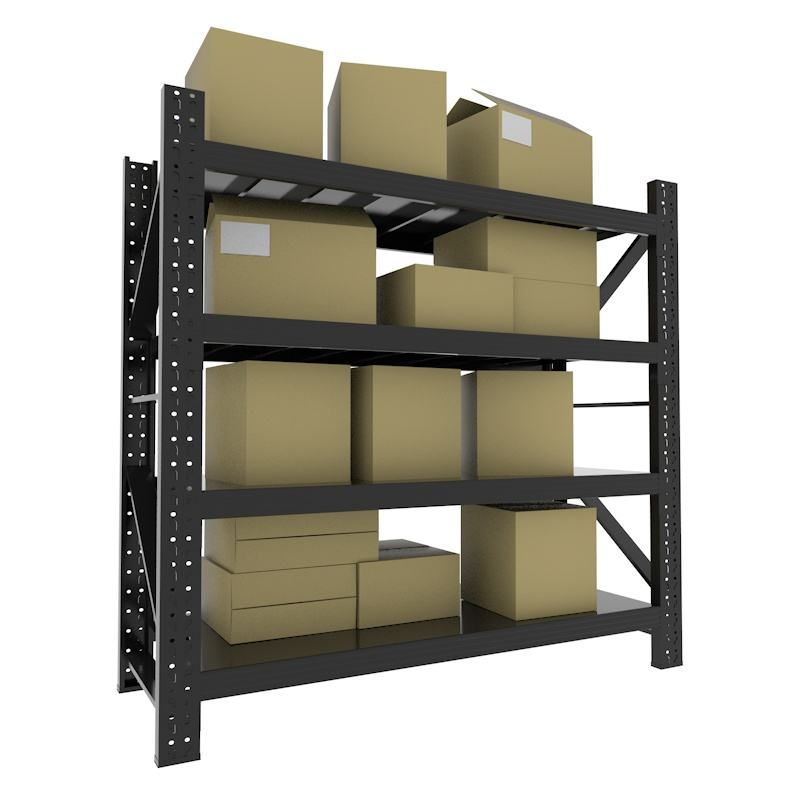
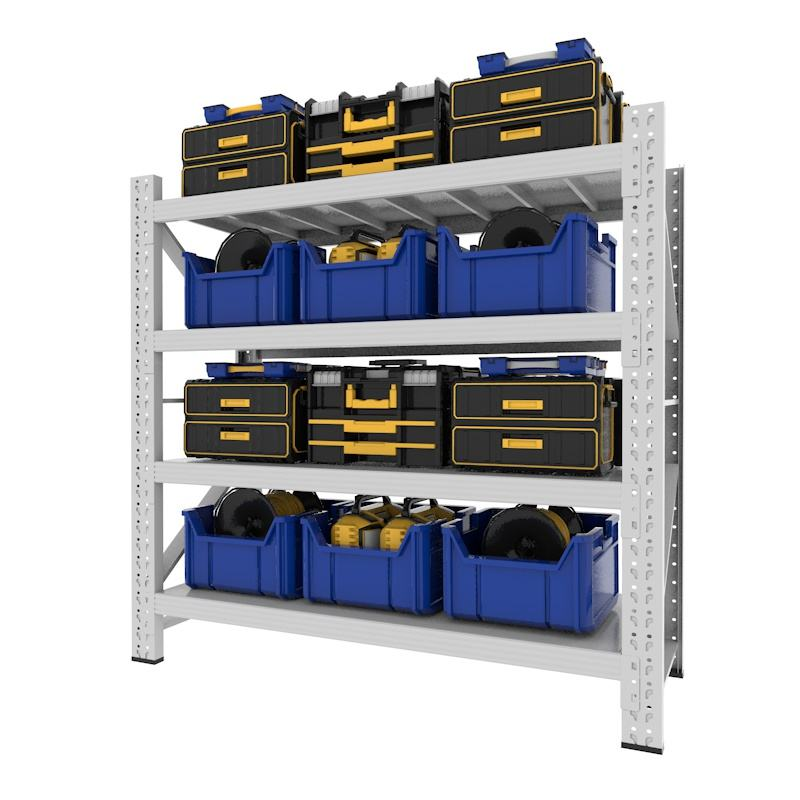
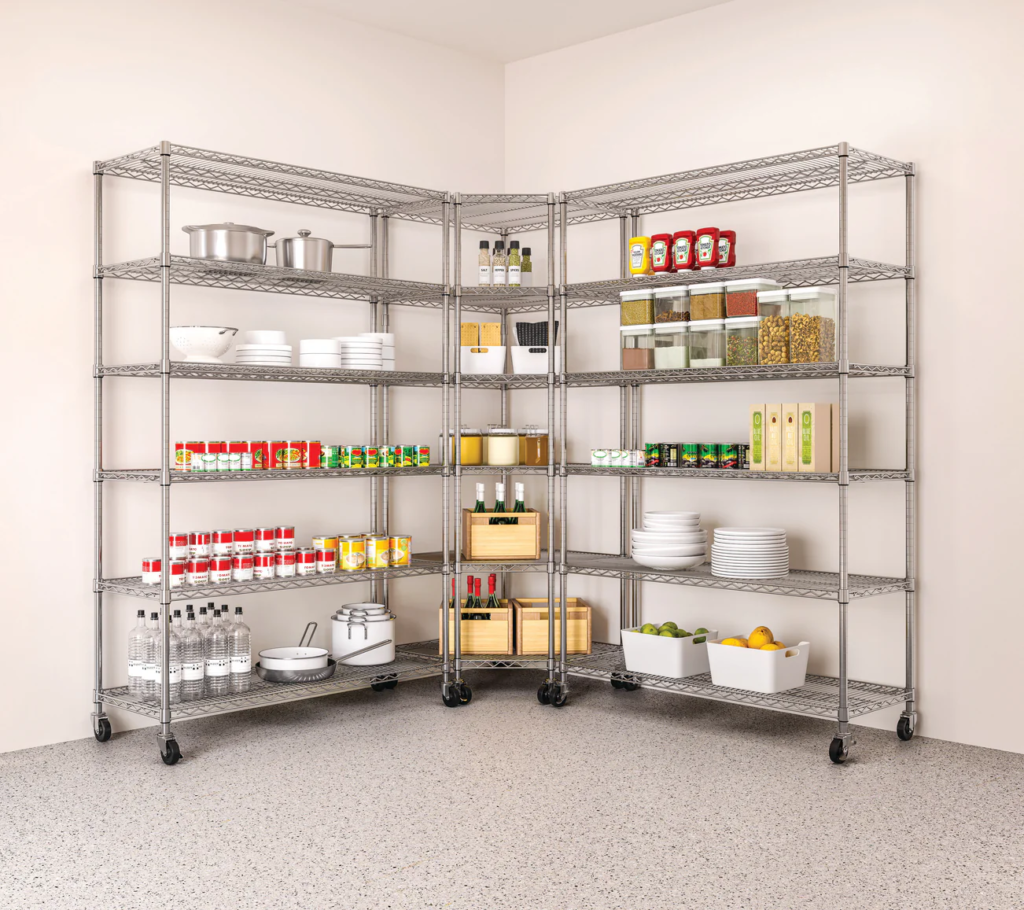
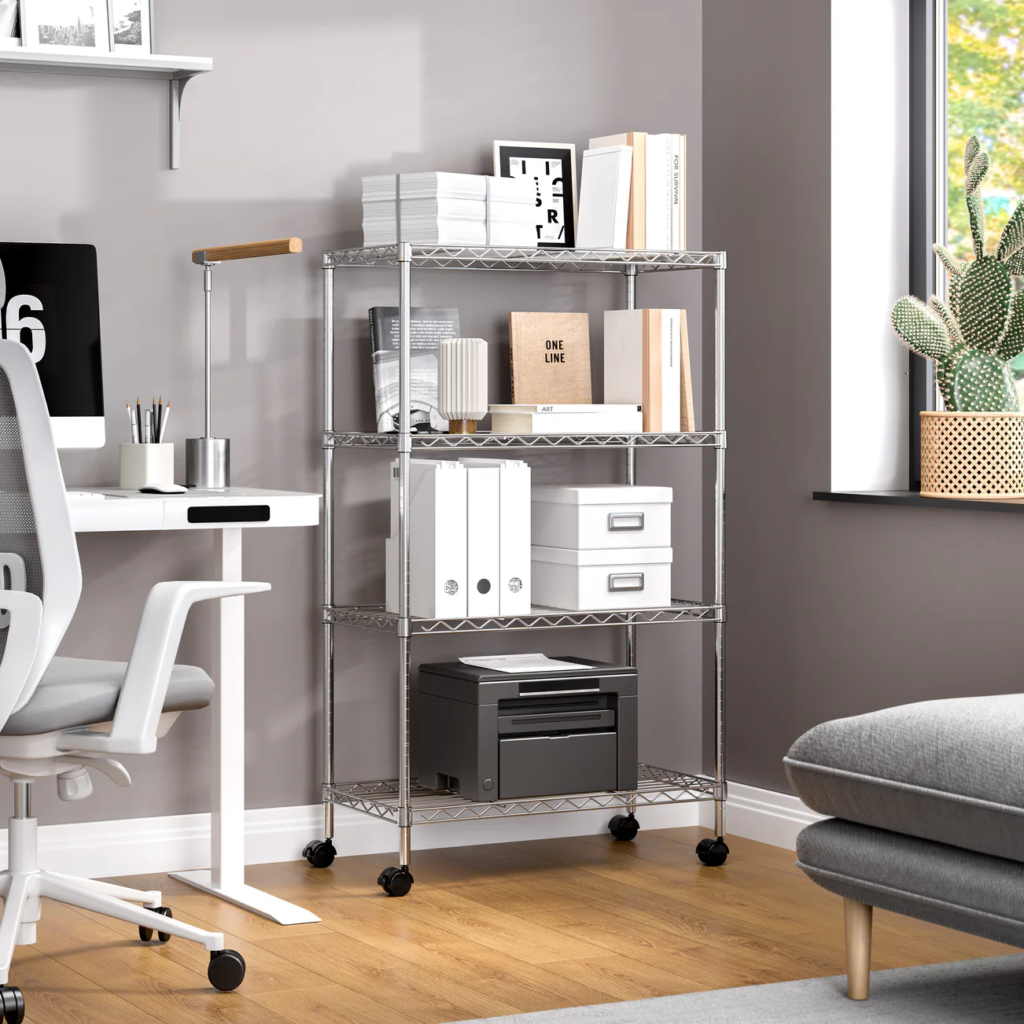
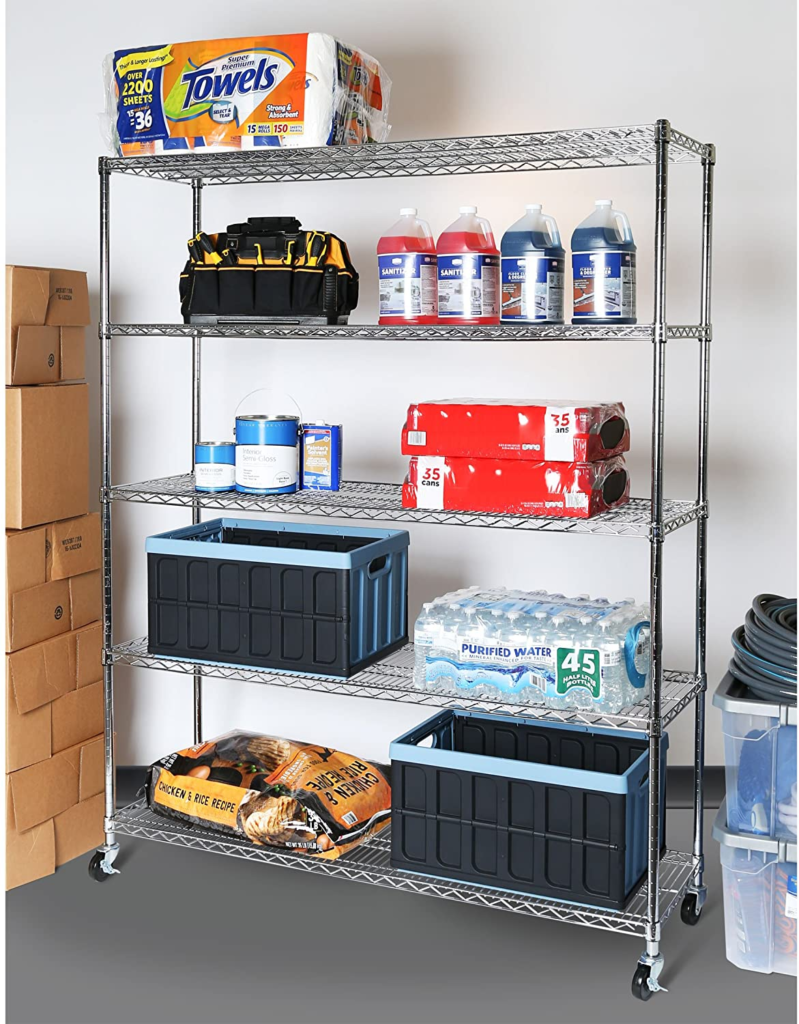
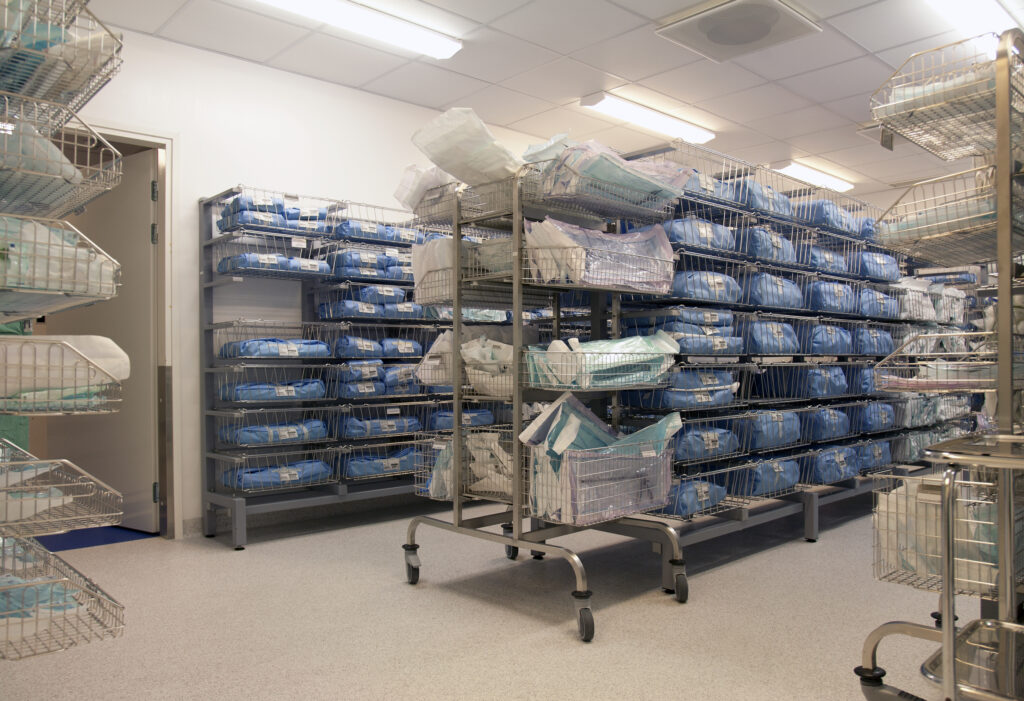
Compared with light-duty shelving or longspan shelving, pallet racks are built for forklifts and heavy loads. They are not intended for manual picking of small items but for pallet-level storage.
Wire shelving and longspan shelving are better suited for cartons, bins, and manual access. Pallet racks dominate when goods are heavy, palletized, and moved by machinery.
Understanding this distinction helps businesses select the right storage system for each area of the warehouse.
Long-Term Value and Maintenance
Pallet racking systems are long-term investments. When properly designed and installed, they can remain in service for many years.
Maintenance typically involves regular inspections, checking for impact damage, and ensuring beams and anchors remain secure. Replacing damaged components promptly helps maintain safety and extend system lifespan.
Because pallet racks are modular, sections can often be reconfigured or expanded as warehouse needs change, protecting the initial investment.
Choosing the Right Pallet Rack Manufacturer
For B2B buyers, selecting the right pallet rack manufacturer is critical. Beyond product quality, factors such as engineering support, customization capability, and project experience matter greatly.
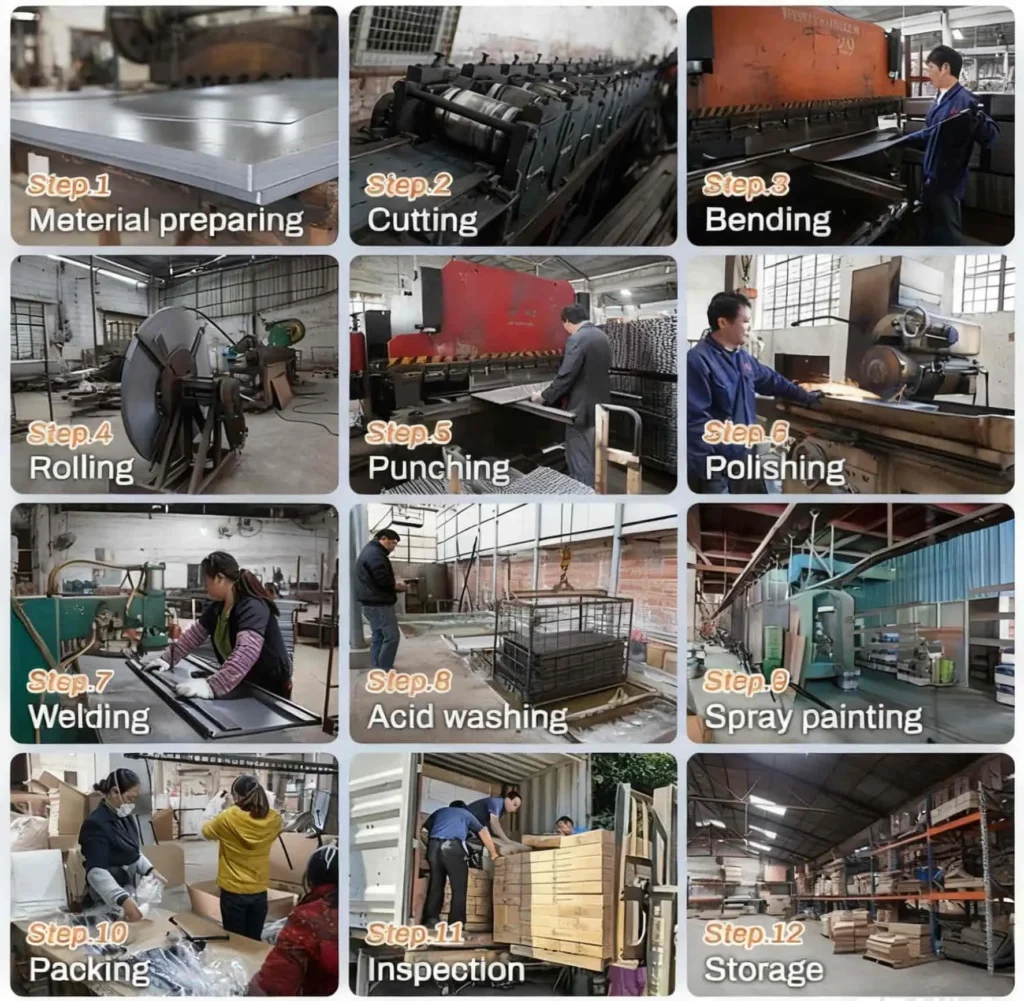
A reliable manufacturer should offer clear specifications, stable production quality, and support for OEM or large-scale projects. Export experience, proper packaging, and compliance with international standards are also important for global buyers.
Well-designed pallet racks form the foundation of efficient warehouse operations. With the right system in place, businesses can improve storage density, safety, and workflow for years to come.