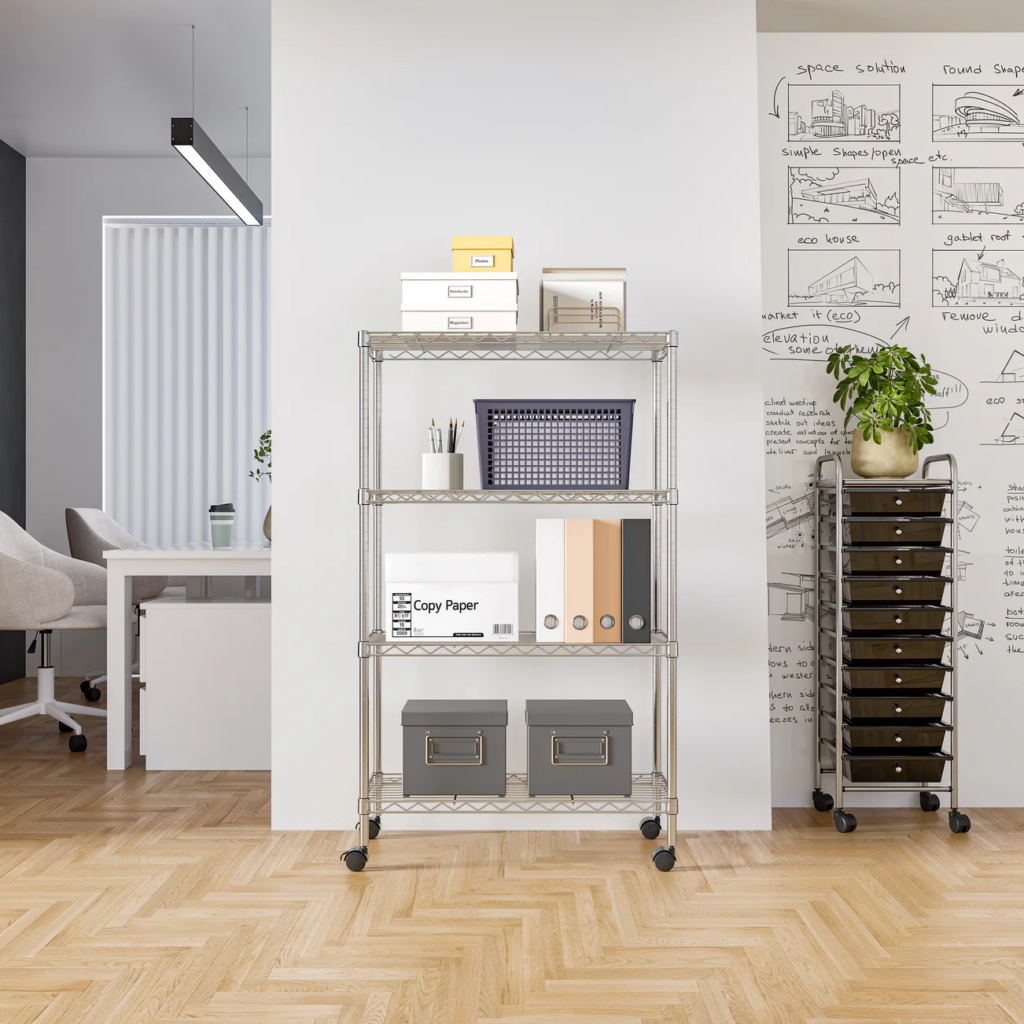
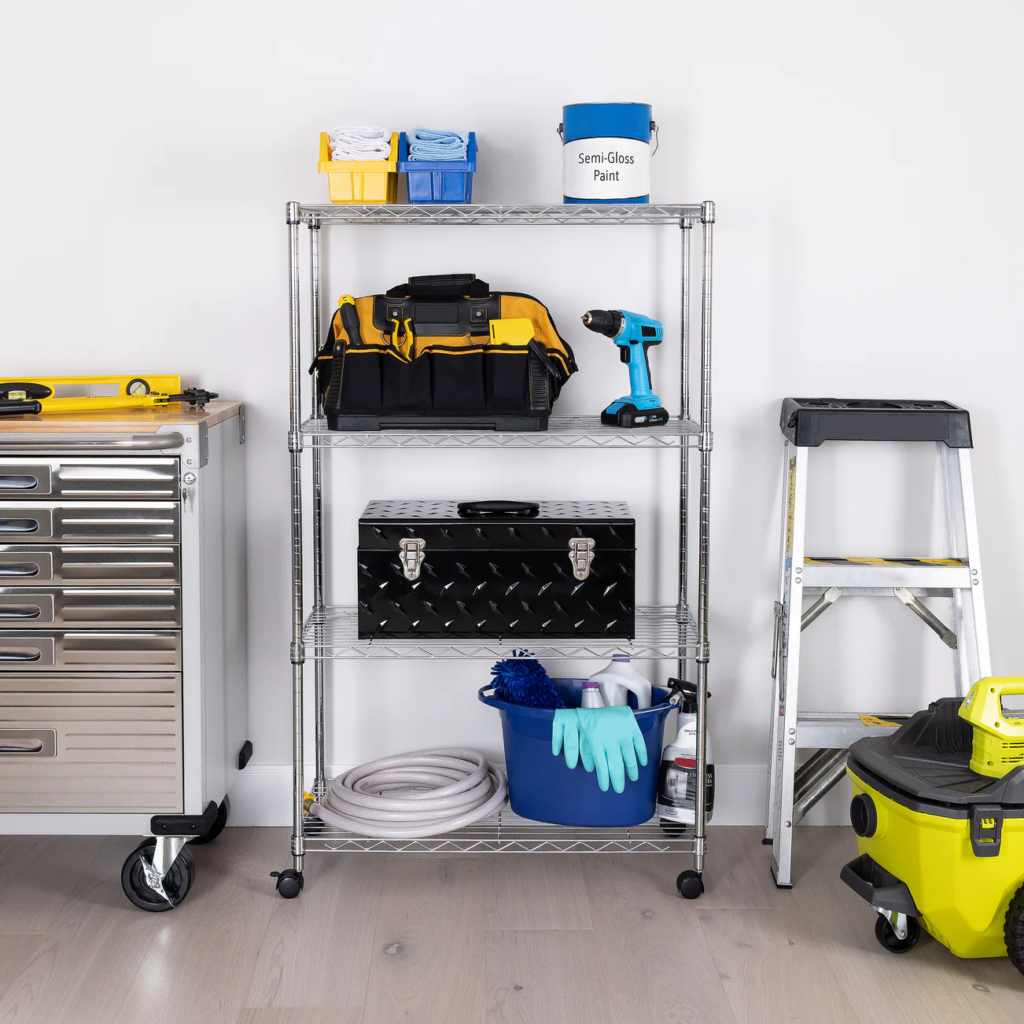
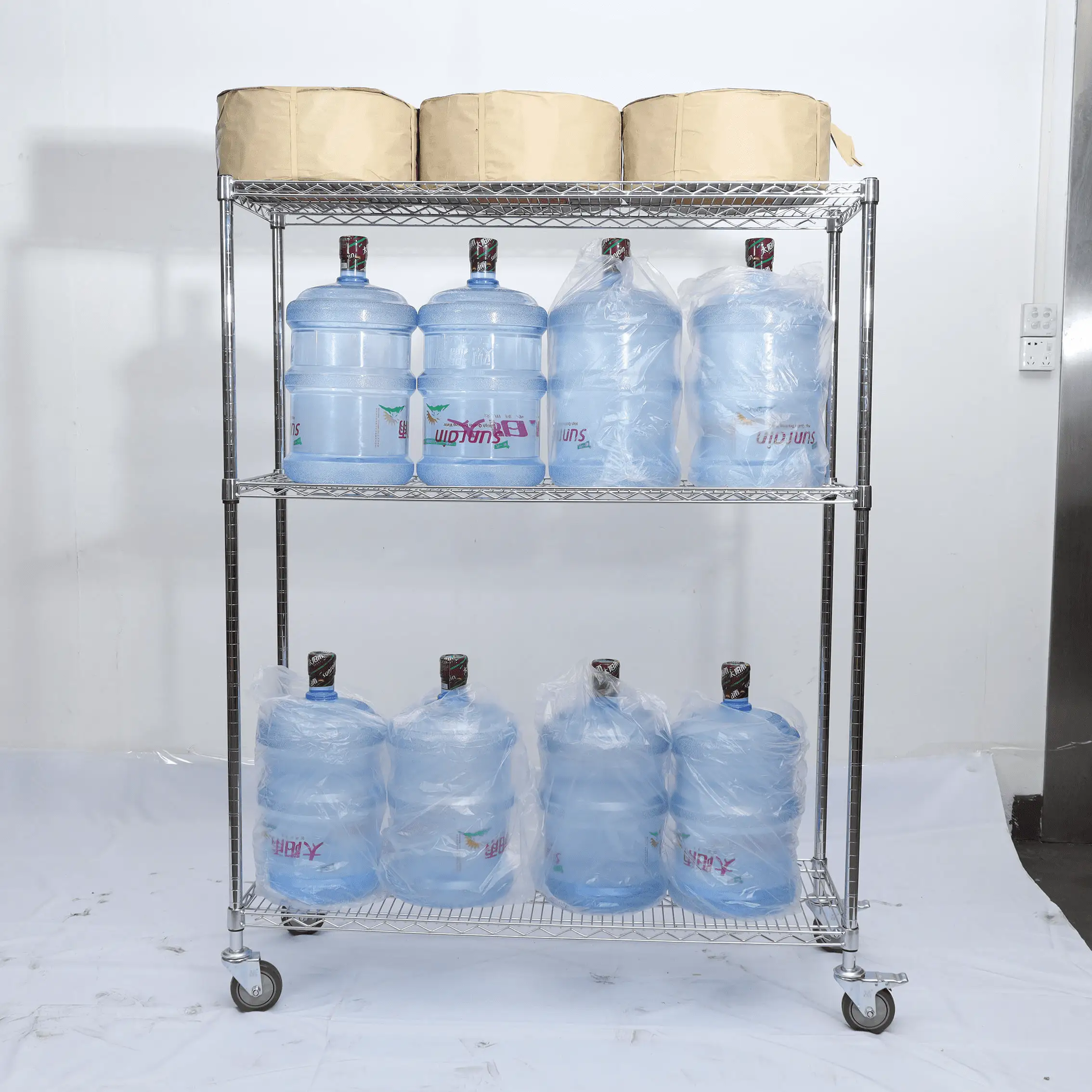
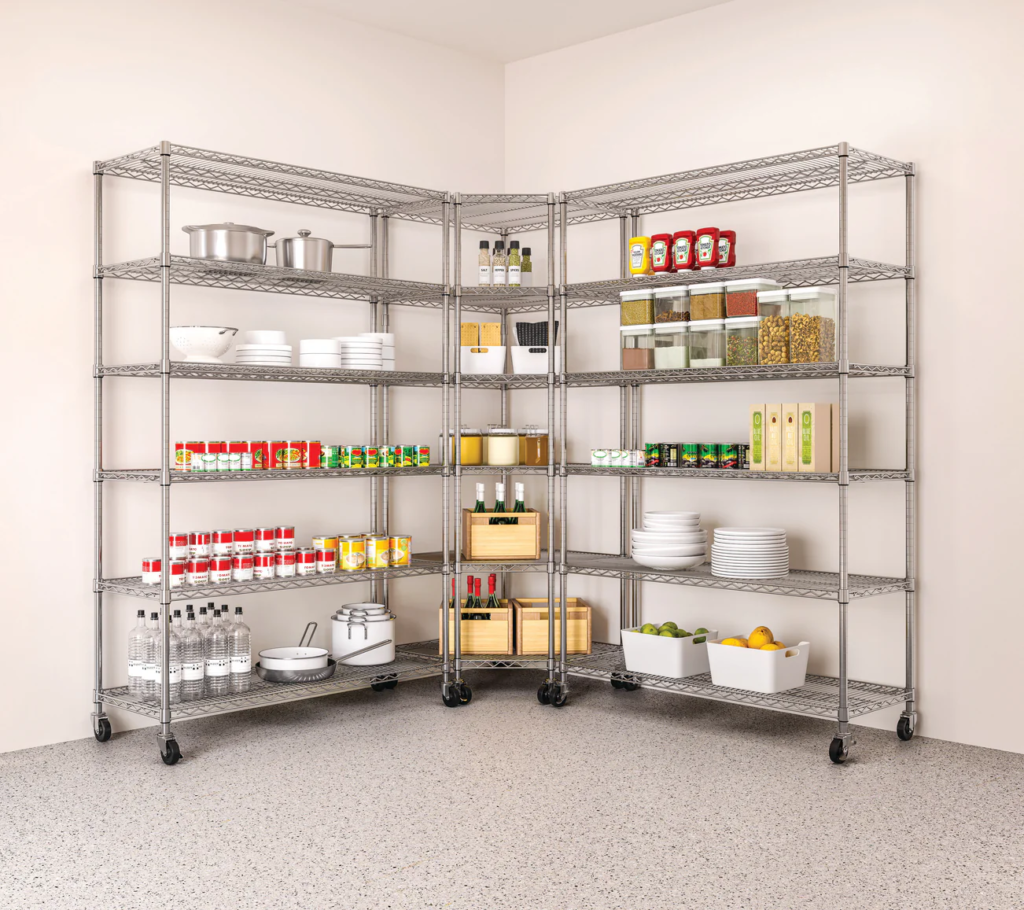
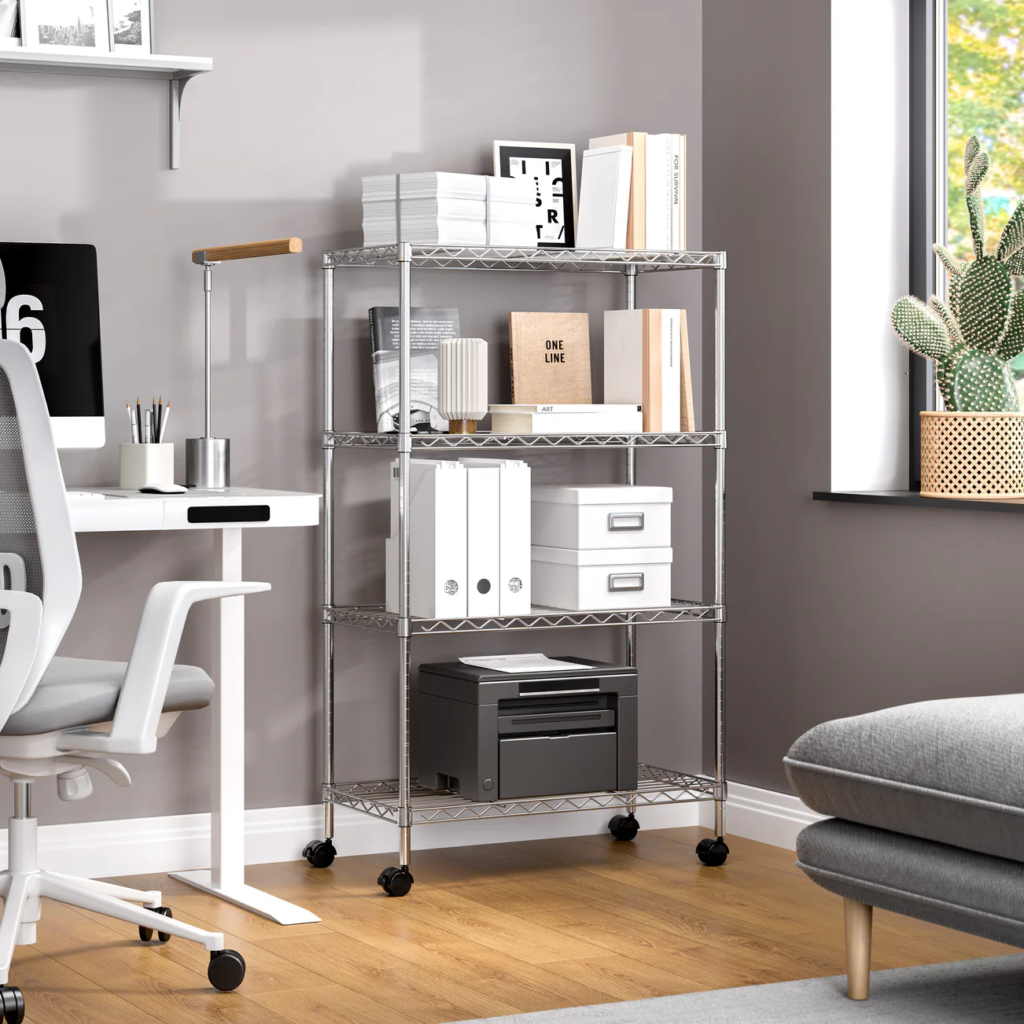
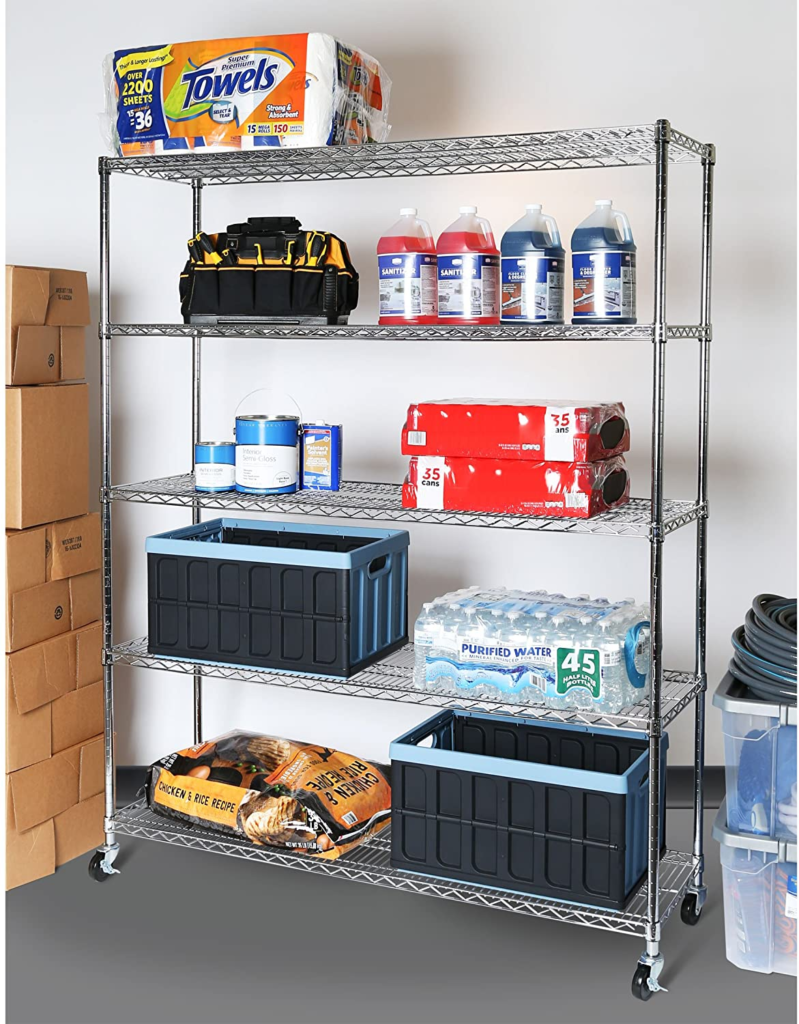
In many commercial and industrial environments, storage is never truly fixed. Inventory changes, workflows evolve, and space often needs to be adjusted quickly. Mobile wire shelving was developed to meet exactly this kind of demand.
By combining traditional wire shelving with industrial casters, mobile wire shelving allows businesses to store heavy items securely while keeping the freedom to move, rearrange, and clean with ease. It is widely used in warehouses, retail backrooms, commercial kitchens, healthcare facilities, and manufacturing environments where flexibility matters as much as strength.
Rather than replacing fixed shelving entirely, mobile wire shelving focuses on solving one core problem: how to keep storage efficient without locking your layout in place.
What Is Mobile Wire Shelving?
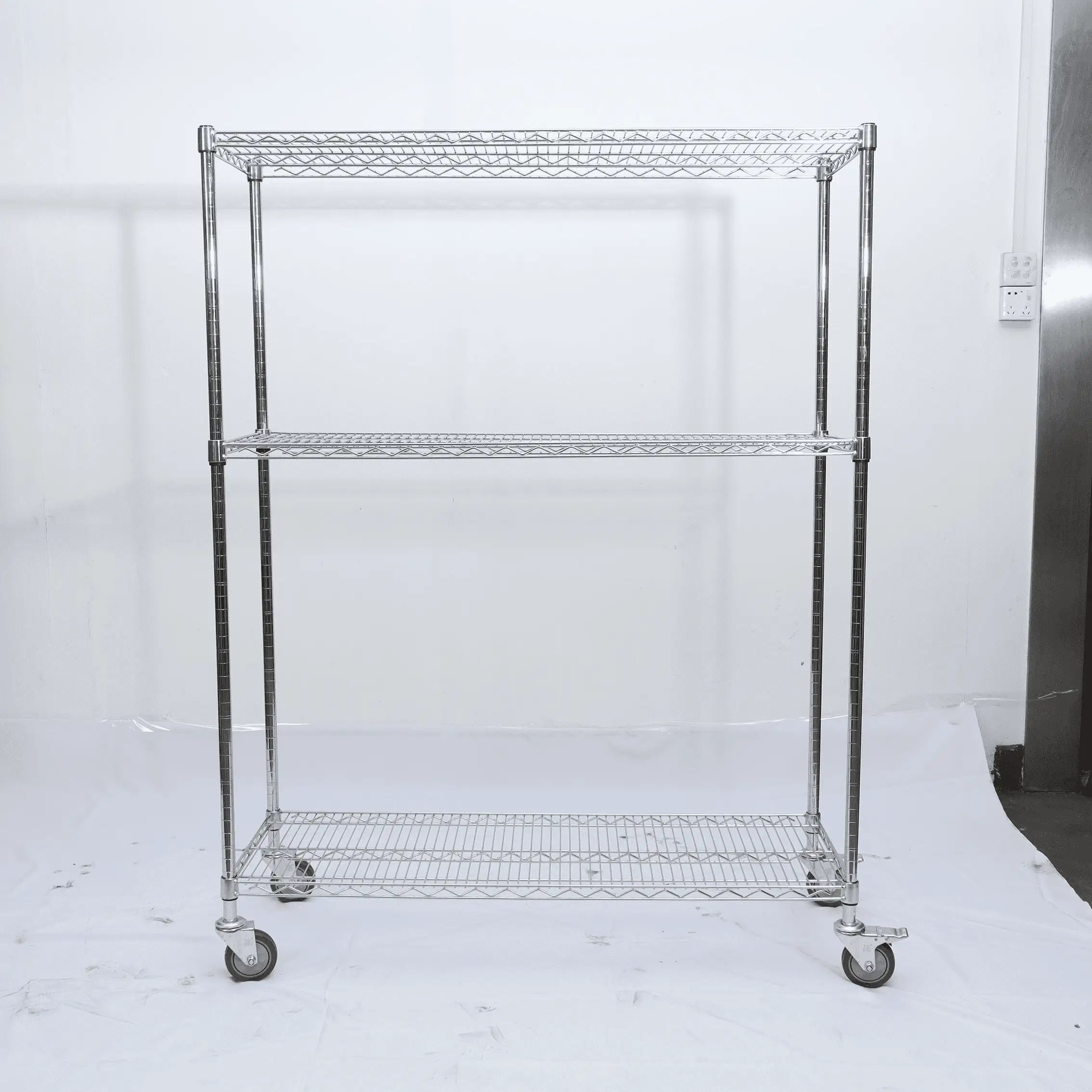
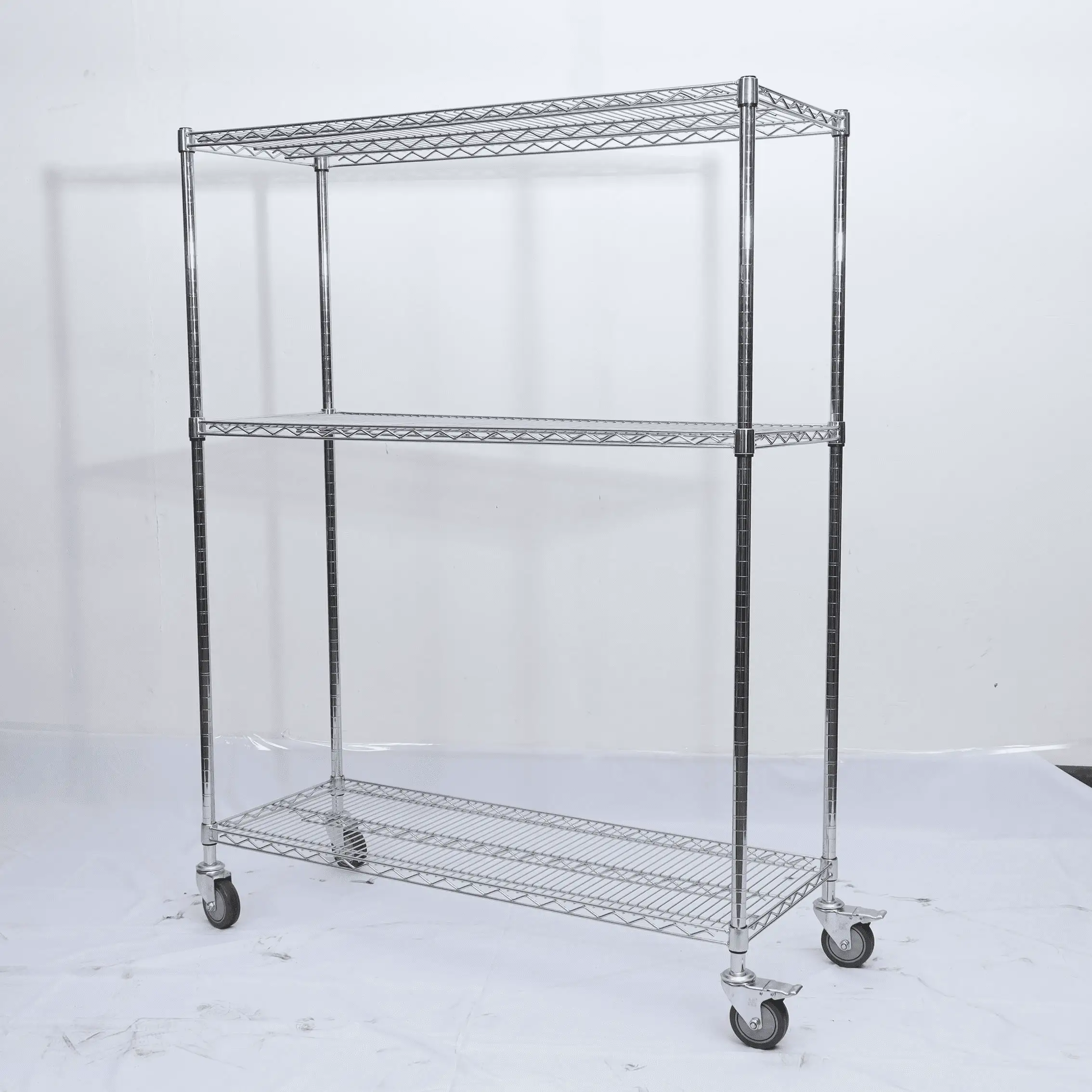
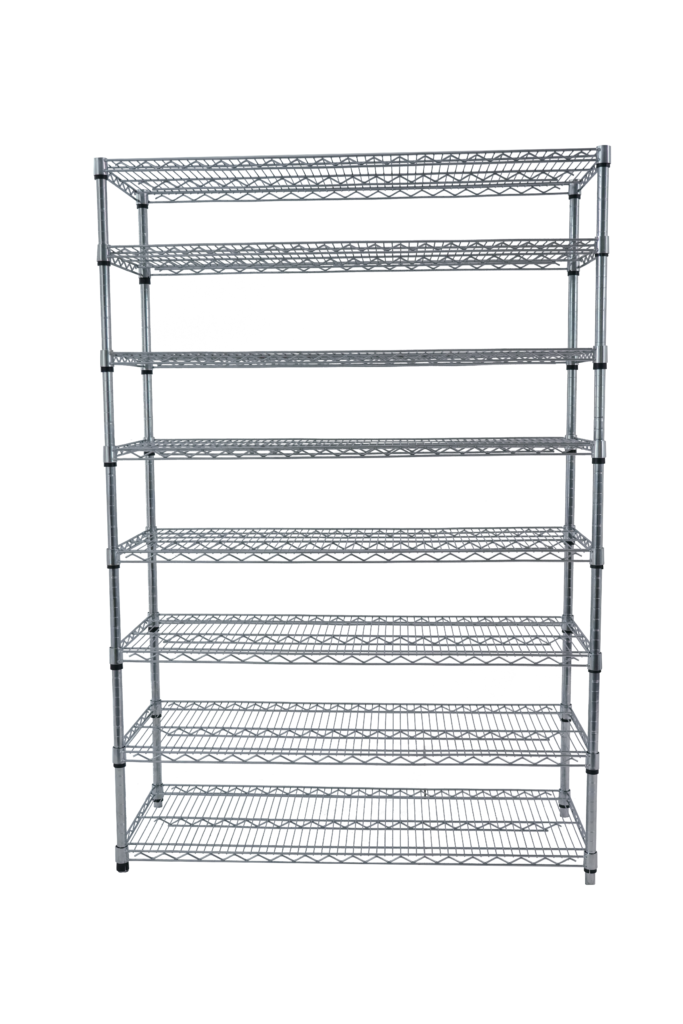
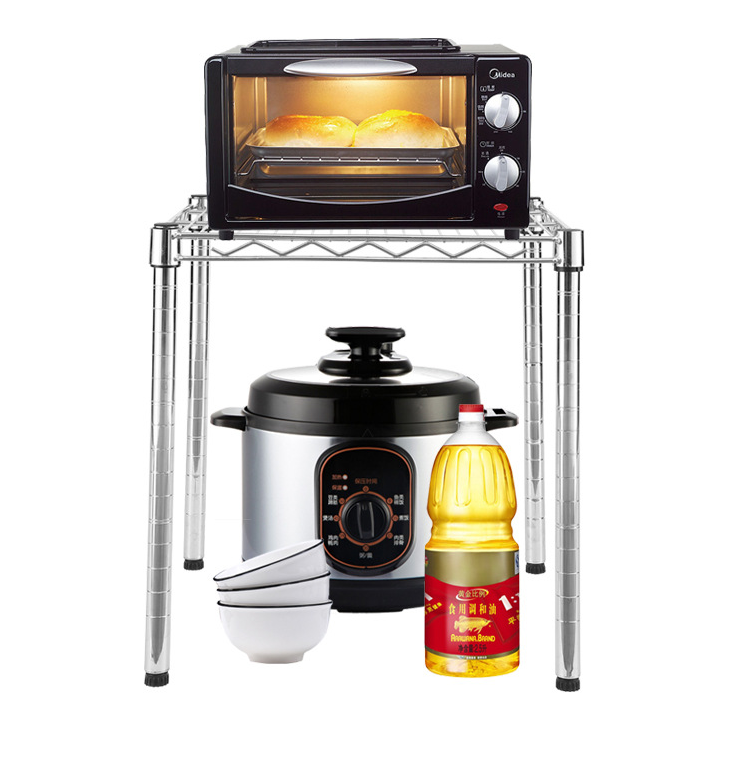
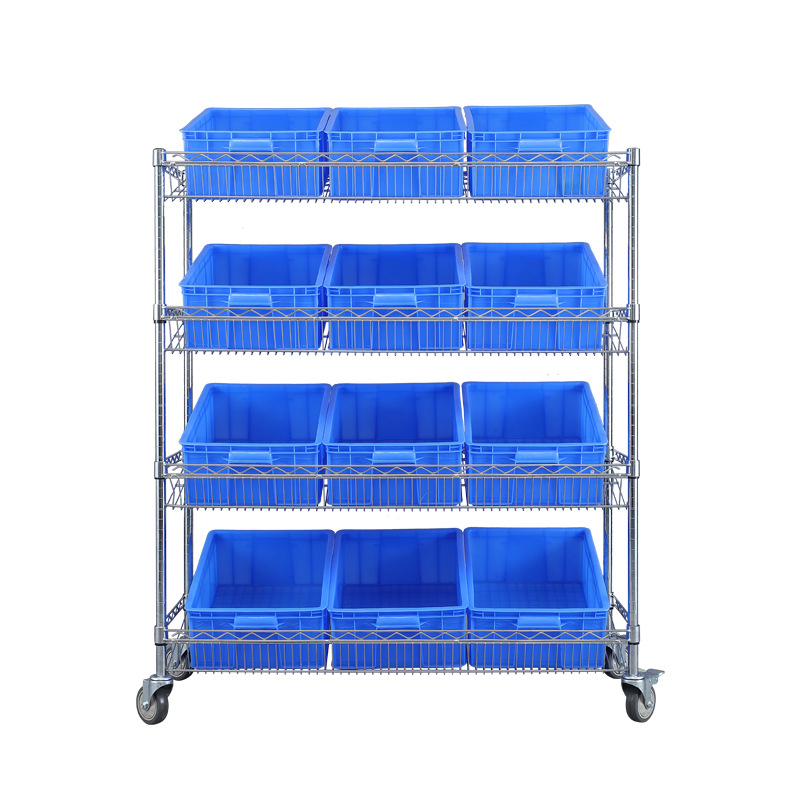
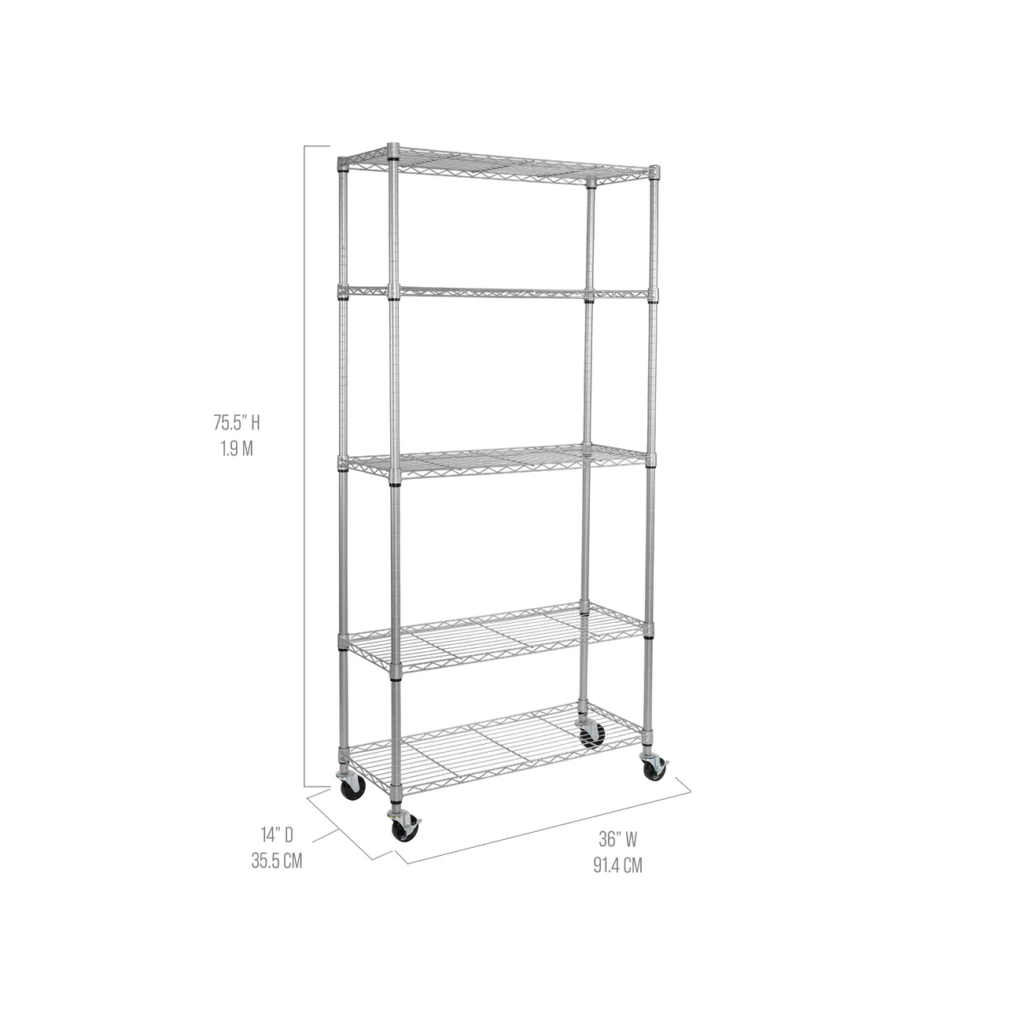
Mobile wire shelving is a modular storage system made of steel wire shelves, vertical posts, and heavy-duty wheels. Each shelf level is height-adjustable, and the entire unit can be rolled to a new location without unloading the items.
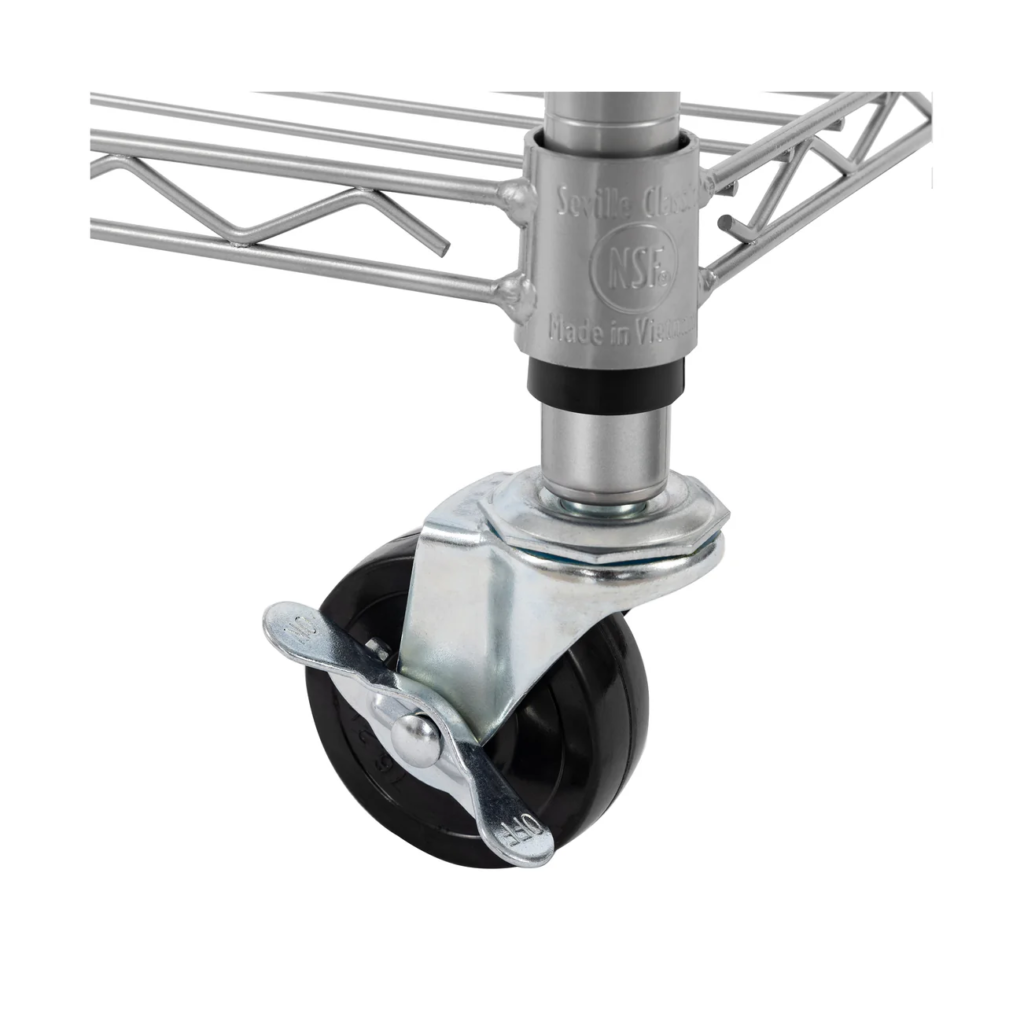
The key difference from standard wire shelving is the base. Instead of fixed leveling feet, mobile units are equipped with swivel casters, often with locking brakes. This allows the shelving to function not only as storage, but also as a movable work or staging unit.
Despite being mobile, these systems are designed for real commercial use. When properly manufactured, they remain stable under load and perform reliably in daily operations.
Why Businesses Choose Mobile Wire Shelving
Efficiency is one of the main reasons companies adopt mobile wire shelving. In busy environments, even small improvements in movement and layout can lead to noticeable productivity gains.
Mobile shelving allows staff to bring storage closer to work areas instead of walking back and forth. Cleaning becomes simpler because shelves can be rolled aside rather than dismantled. In many operations, mobile wire shelving also reduces the need for separate carts or transport racks.
Common benefits businesses mention include:
Faster layout adjustments without tools
Easier cleaning and floor access
Reduced handling when moving inventory
Better use of available space
Flexibility is especially valuable for growing businesses or facilities with seasonal changes, where storage needs can shift throughout the year.
Typical Application Scenarios
Mobile wire shelving is used across a wide range of industries, each with slightly different priorities.
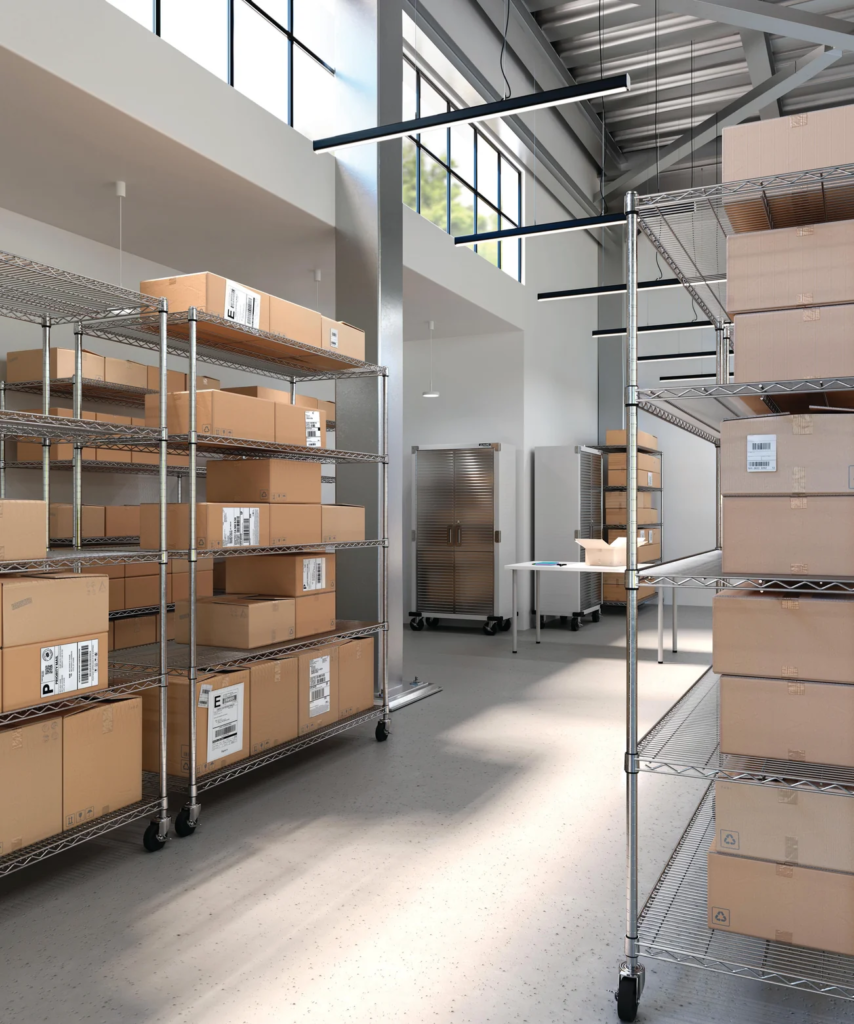
In warehouses and logistics centers, it supports order picking, temporary storage, and internal material movement. Shelving units can be repositioned to match workflow changes during peak periods.
In retail backrooms and supermarkets, mobile shelving makes restocking and promotional adjustments easier. When product displays or storage layouts change, shelving can move quickly without disrupting operations.
In commercial kitchens and food service environments, hygiene is a major concern. Wire shelves allow airflow and visibility, while mobility makes daily cleaning faster and more thorough.
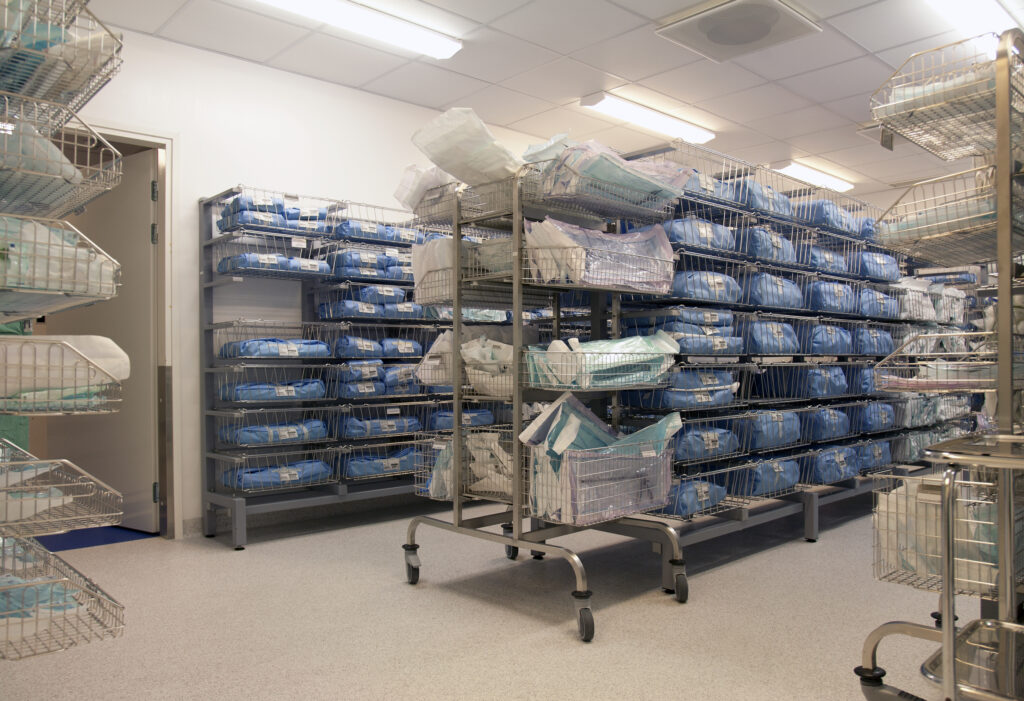
In hospitals and laboratories, mobile wire shelving is often used for medical supplies, instruments, and consumables. Lockable casters help keep units stable while still allowing smooth relocation when needed.
Hotels, offices, and facility management teams also rely on mobile shelving for housekeeping supplies, maintenance tools, and archived materials where adaptability is important.
Key Structural Features That Matter
A dependable mobile wire shelving system depends on more than just adding wheels. Several structural details directly affect safety and performance.
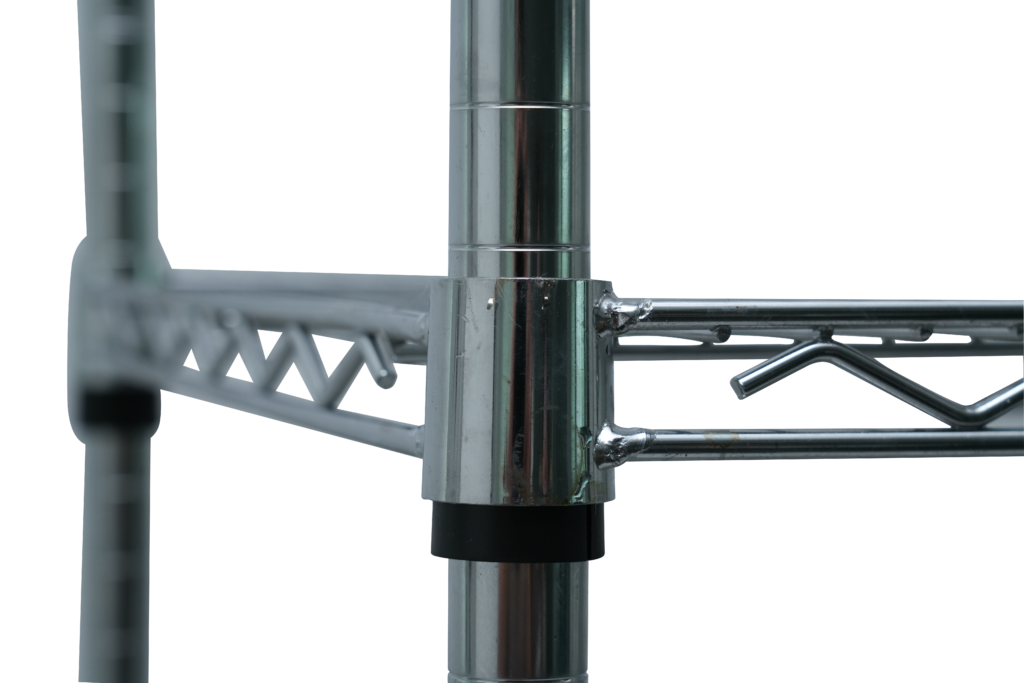
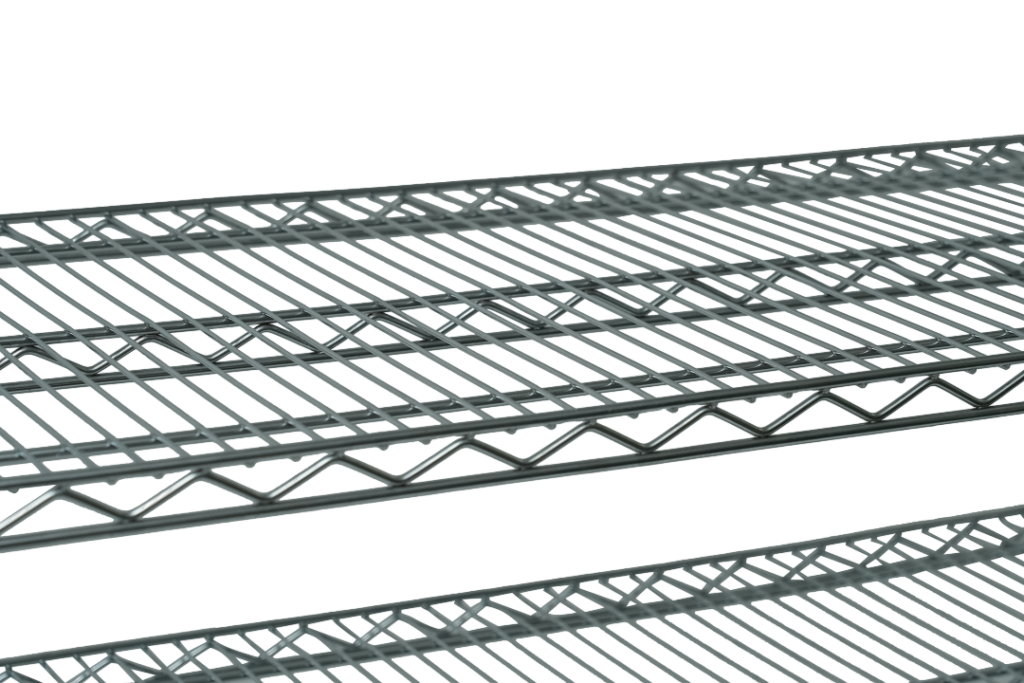
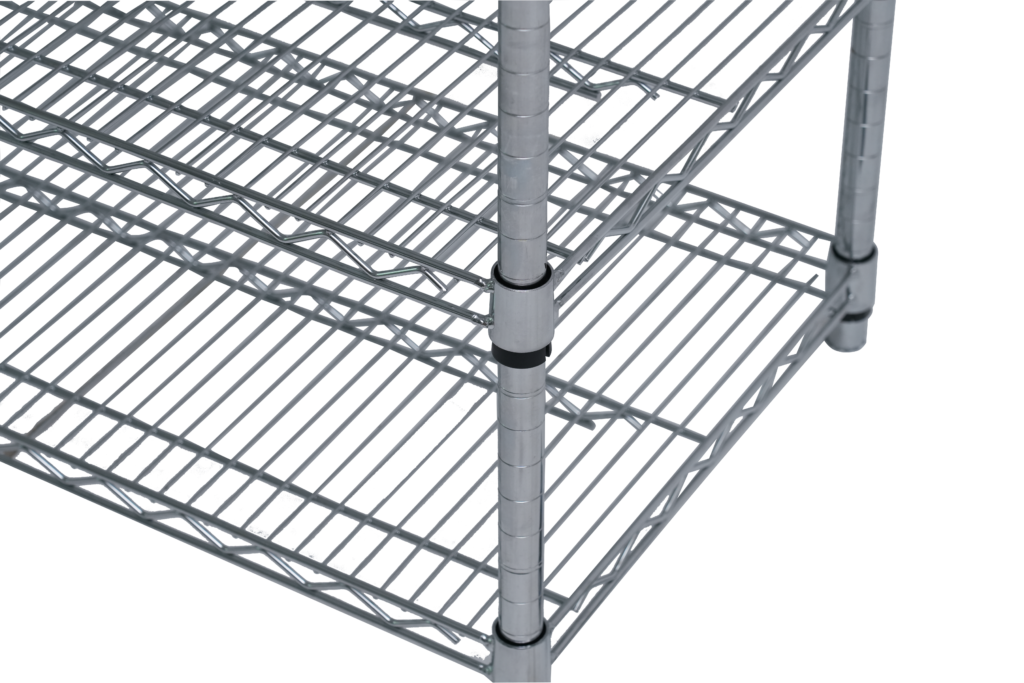
Wire shelves are typically made from high-strength steel, providing good load distribution and ventilation. The open design helps reduce dust buildup and makes stored items easy to see.
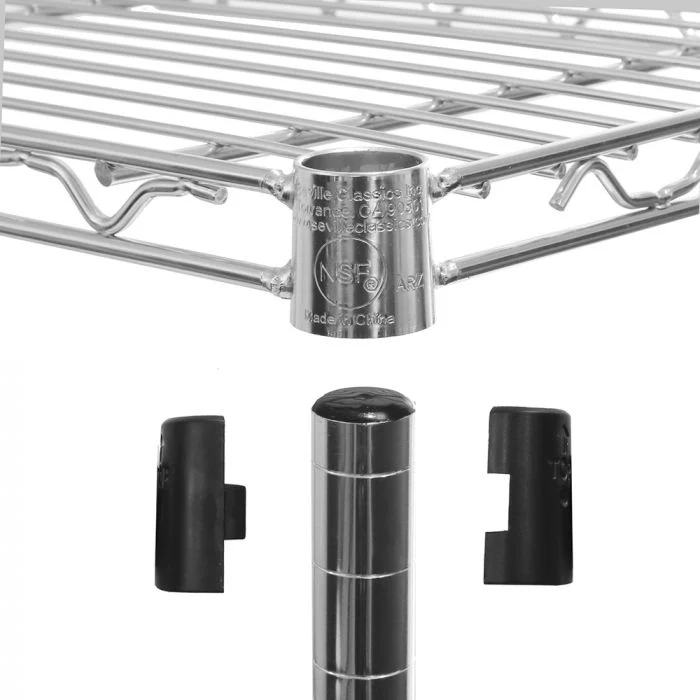
Vertical posts allow shelf heights to be adjusted, helping users avoid wasted vertical space and adapt to different product sizes.
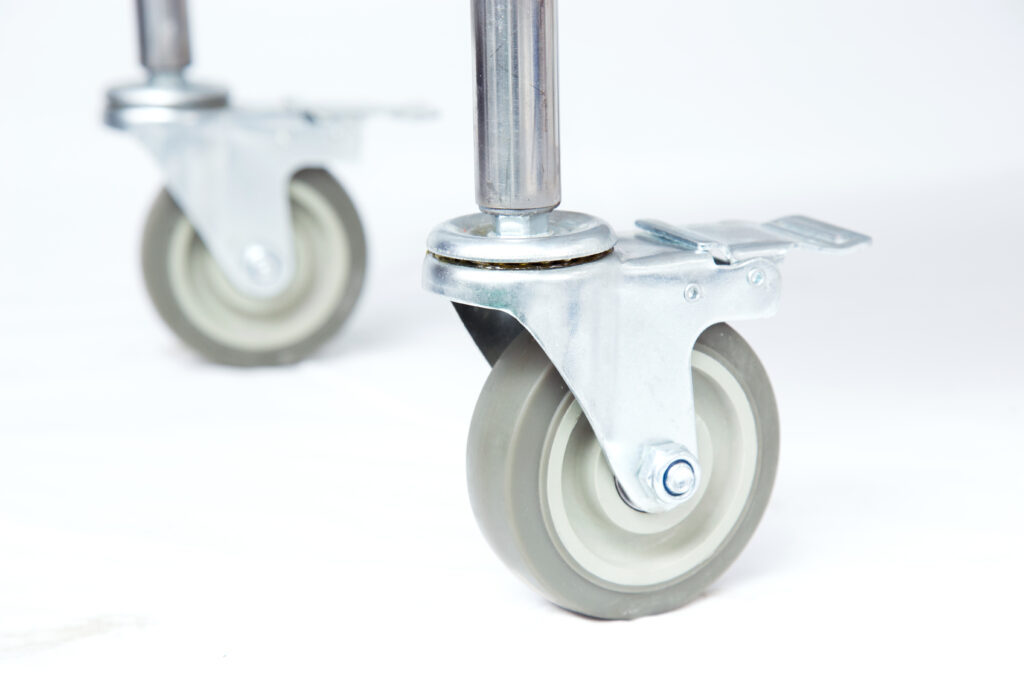
Casters are one of the most critical components. High-quality systems usually include:
Industrial-grade swivel casters
Wheel diameters between 3 and 5 inches
Optional locking brakes for stability
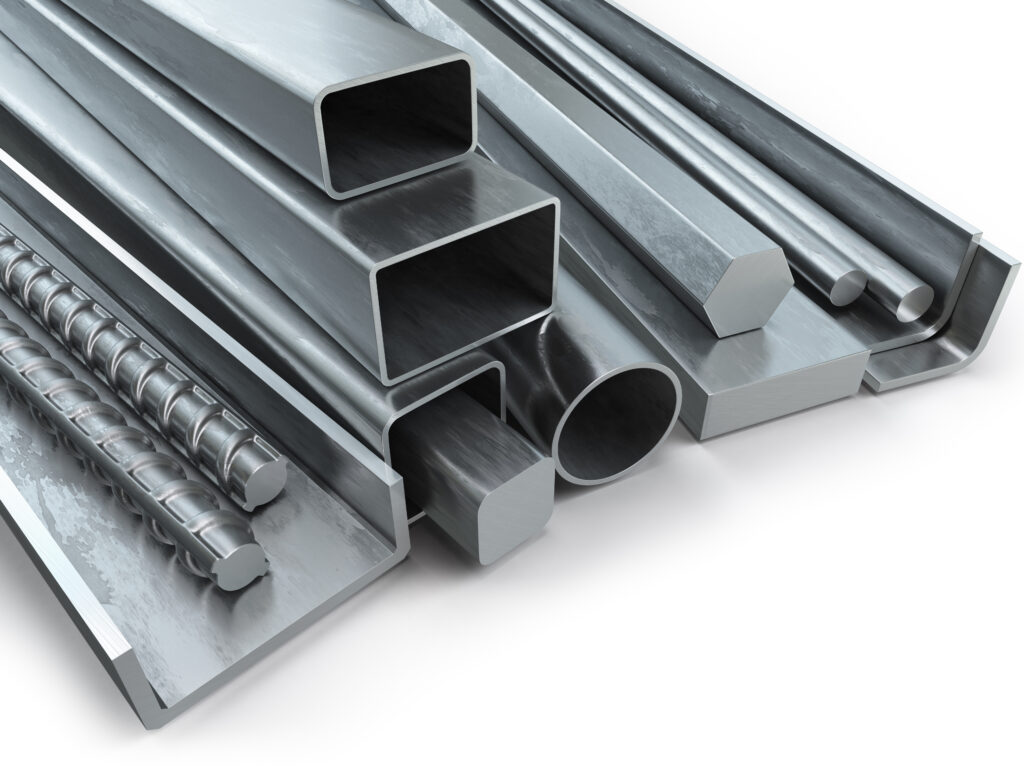
Surface finishes also play an important role. Chrome finishes suit dry environments, epoxy coatings offer better corrosion resistance, and stainless steel is preferred for kitchens, healthcare settings, and humid conditions.
Load Capacity and Stability
Mobility does not mean reduced strength. Well-designed mobile wire shelving is engineered to balance movement with load capacity.
Actual load ratings depend on shelf size, wire thickness, and caster quality. In many commercial systems, each shelf can support heavy loads when weight is evenly distributed.
Stability is strongly influenced by caster design. Heavy-duty wheels with reliable bearings ensure smooth movement, even when the shelving is fully loaded. Locking mechanisms help keep the unit firmly in place during use.
For heavier applications, wider shelves and reinforced frames are often recommended to maintain balance while moving.
Customization Options for B2B Buyers
One of the main reasons mobile wire shelving is popular in B2B markets is the level of customization available.
Typical customization options include:
Shelf width, depth, and height
Adjustable tiers, usually from 1 to 8 levels
Surface finishes such as chrome, epoxy, or stainless steel
Caster types based on load, floor type, and noise control
Additional accessories like side panels, shelf liners, handles, hooks, and label holders allow the system to better match real working conditions.
For distributors and project buyers, OEM and private-label options are often available, making mobile wire shelving suitable for branded product lines and large-scale supply.
Mobile Wire Shelving vs Fixed Wire Shelving
While mobile and fixed wire shelving share similar materials, they serve different purposes.
Fixed wire shelving works best in permanent layouts where movement is not required. It offers strong stability and is often more cost-effective.
Mobile wire shelving prioritizes flexibility. It is ideal for environments where layouts change frequently, cleaning is routine, or storage needs vary over time.
Many facilities use both systems together, combining fixed shelving for long-term storage with mobile units for active, high-traffic areas.
Long-Term Value and Maintenance
From a long-term perspective, mobile wire shelving offers strong value. Its modular design allows components to be replaced or reconfigured instead of discarding the entire system.
Maintenance is simple and usually involves:
Because it adapts easily to changing needs, mobile wire shelving often remains useful for many years, even as business operations evolve.
Choosing the Right Mobile Wire Shelving Supplier
For B2B buyers, choosing the right supplier is just as important as selecting the shelving itself.
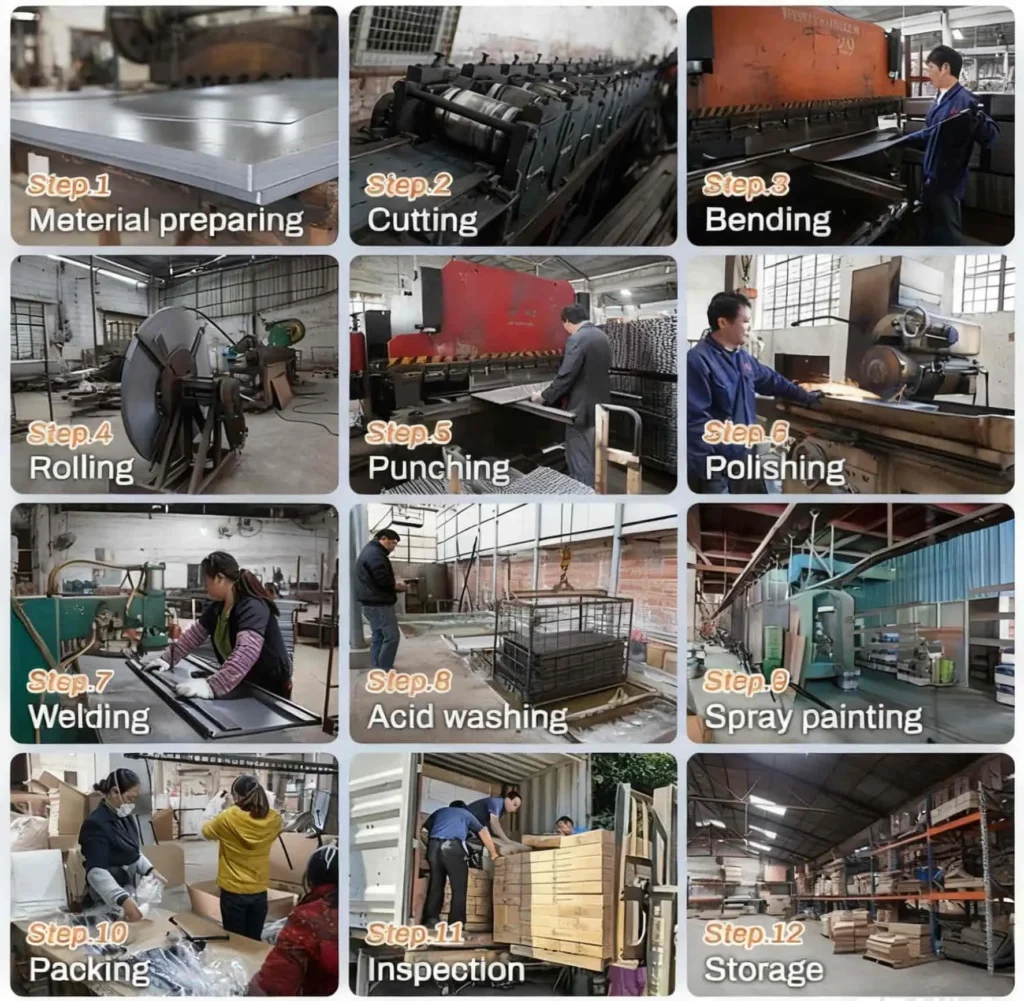
A reliable manufacturer should offer consistent quality, clear specifications, and flexible customization options. Experience in export markets, proper packaging, and stable production capacity also play an important role.
Whether used in warehouses, retail chains, food service, or institutional projects, a well-made mobile wire shelving system can significantly improve organization, efficiency, and daily workflow.