
When choosing kitchen shelving, material selection is one of the most important factors affecting safety, durability, and long-term value. Among metal options, angle steel and carbon steel are two of the most commonly used materials for kitchen storage racks.
Because kitchens are typically high-humidity environments and often store heavy items such as cookware and appliances, buyers frequently need to balance load capacity, corrosion resistance, and cost. This article compares angle steel and carbon steel kitchen shelving to help you select the right option based on real usage requirements.
Material Characteristics and Load Capacity
Angle Steel
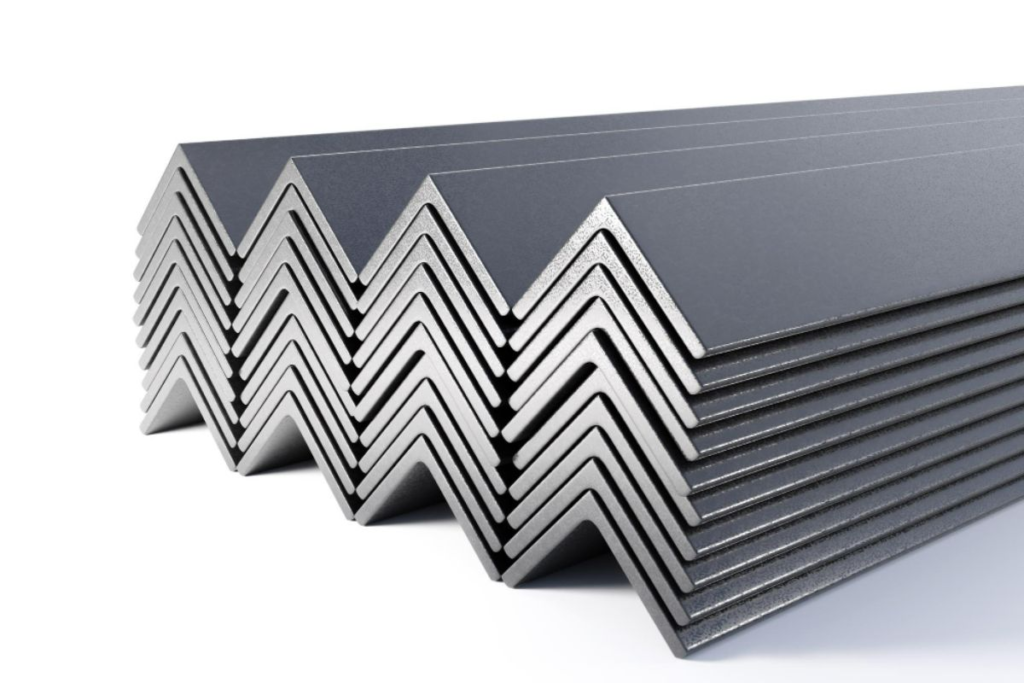
Angle steel usually refers to equal-angle steel with an L-shaped cross-section. This structural design provides good mechanical strength and makes angle steel suitable for basic load-bearing applications.
In kitchen shelving systems, angle steel is often used for frames or support structures. It performs well when storing moderately heavy items such as rice cookers, countertop appliances, and stacks of cookware. For standard kitchen storage needs, angle steel can provide sufficient strength.
Carbon Steel
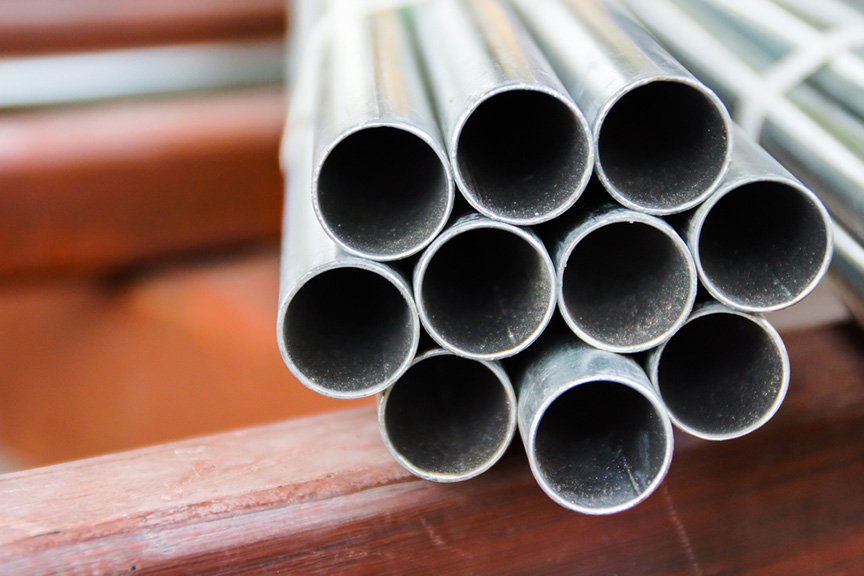
Carbon steel is known for its high strength and rigidity. When properly engineered, carbon steel shelving systems generally offer better overall load capacity than basic angle steel structures.
Carbon steel kitchen racks are well suited for supporting heavy cookware, large pots, and dense storage loads. They maintain stability over long periods and are less prone to deformation, making them ideal for kitchens with higher storage demands.
Summary
Both angle steel and carbon steel can meet everyday kitchen storage requirements. However, for heavier loads or long-term use, carbon steel typically offers greater structural stability.
Durability and Corrosion Resistance
Kitchen Environment Considerations
Kitchens are exposed to steam, moisture, and oil residue on a daily basis. These conditions place high demands on the corrosion resistance of metal shelving materials.
Angle Steel Performance
Angle steel does not have inherent corrosion resistance. Without proper surface treatment, it is vulnerable to rust, especially in humid kitchen environments.
If angle steel shelving lacks effective anti-rust coating or regular maintenance, corrosion may develop quickly, shortening its service life and affecting structural safety.
Carbon Steel Performance
Raw carbon steel also requires protection against corrosion. However, finished carbon steel shelving is typically treated with high-quality surface coatings such as powder coating, galvanizing, or epoxy finishes.
With proper surface treatment, carbon steel kitchen shelving demonstrates strong resistance to rust and wear. It performs more reliably in long-term kitchen use, even under frequent exposure to moisture.
Durability Comparison
In humid kitchen environments, untreated angle steel carries a higher corrosion risk. Carbon steel shelving with professional surface treatment provides better durability and long-term reliability.
Appearance Comparison
Angle Steel
Angle steel shelving often has a more traditional or industrial appearance. Without additional finishing, the surface may appear rough or utilitarian.
To improve aesthetics, angle steel usually requires extra surface treatments such as painting or coating, which can increase maintenance requirements over time.
Carbon Steel
Carbon steel shelving typically offers a cleaner and more refined appearance when properly finished. Powder-coated or treated carbon steel surfaces are smooth, consistent, and easier to integrate into modern kitchen designs.
This makes carbon steel a preferred choice for open kitchens or visible storage areas.
Price and Cost-effectiveness
Angle Steel
Angle steel has lower raw material costs, and finished shelving units are generally more affordable. It is a practical choice for buyers with limited budgets or short-term storage needs.
However, potential maintenance and replacement costs should be considered when evaluating long-term value.
Carbon Steel
Carbon steel shelving usually requires a higher initial investment due to material quality and advanced surface treatment processes.
From a long-term perspective, carbon steel often provides better cost-effectiveness thanks to its durability, lower maintenance needs, and extended service life.
Final Buying Guide
Choosing between angle steel and carbon steel kitchen shelving should depend on your specific situation.
Carbon steel is the better option if you require higher load capacity, long-term durability, minimal maintenance, and a more modern appearance, and if your budget allows for higher upfront cost.
Angle steel is a reasonable choice if budget constraints are a priority, storage loads are moderate, and you are willing to perform regular maintenance or use additional anti-rust treatments.
Conclusion
The right kitchen shelving material is determined by how the shelving will be used, not just by its price.
Angle steel provides an economical solution for basic kitchen storage, while carbon steel offers superior durability, corrosion resistance, and long-term value. By evaluating environmental conditions, load requirements, and maintenance expectations, you can choose a kitchen shelving solution that remains safe, stable, and reliable over time.