

When planning storage for a warehouse or commercial space, many businesses make the same mistake—they buy shelving first and figure out the layout later. This approach often leads to wasted space, narrow aisles, and inefficient daily operations.
A better approach is to plan the shelving system before purchasing any equipment. A well-designed shelving layout can increase storage capacity, improve workflow, and make inventory management easier. Whether you are setting up a warehouse, retail stockroom, e-commerce fulfillment area, or commercial kitchen storage space, careful planning will help the system run more smoothly in the long term.
Before selecting shelving, it helps to think through several practical factors.
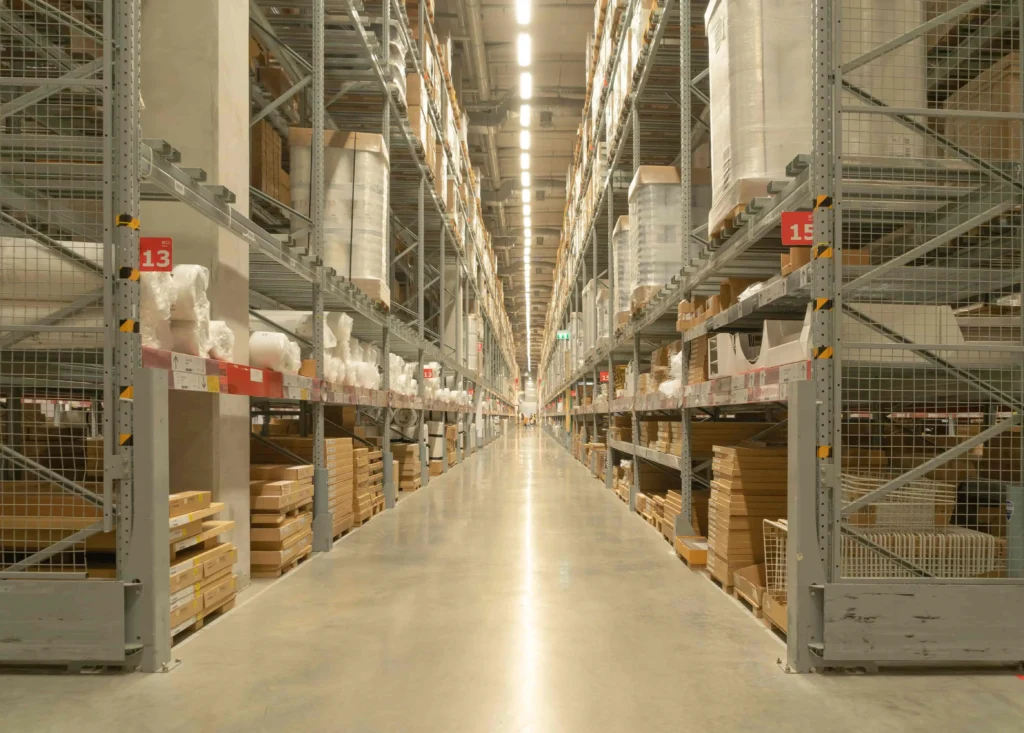
Step 1: Understand What You Need to Store
Every storage system starts with the products themselves. Shelving size, load capacity, and layout should all be based on the items being stored.
Start by identifying a few key details:
The dimensions of your products or cartons
The average weight per item or per box
The estimated storage volume
How frequently items need to be accessed
For example, if most cartons measure 600 × 400 mm, shelving depth should usually be 450 mm or 600 mm to store them comfortably. If each shelf needs to hold multiple boxes, shelf width and load capacity must also be considered.
Many storage problems occur simply because shelving dimensions were not matched to product sizes.
Step 2: Use Vertical Space Efficiently
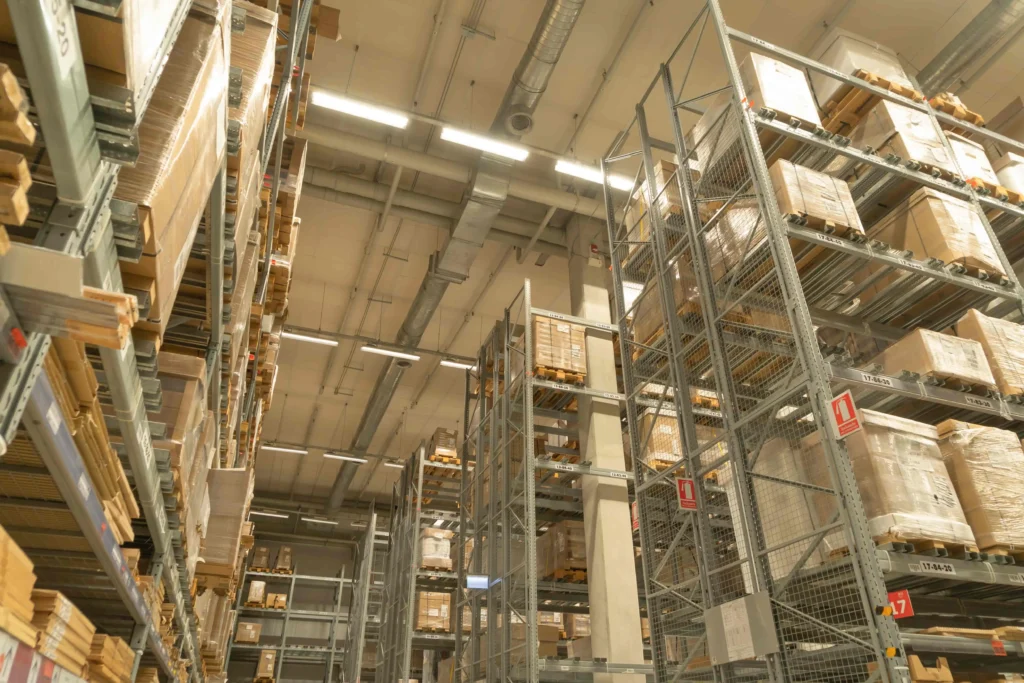
One of the most overlooked opportunities in storage planning is vertical space. Many facilities focus only on floor area, leaving large amounts of height unused.
For example, if a warehouse ceiling is 4 meters high, but shelving units are only 1.8 meters, a significant amount of storage potential is lost.
Common commercial shelving heights include:
1800 mm
2000 mm
2200 mm
2500 mm
As long as employees can safely access the shelves, increasing shelving height can significantly improve overall storage capacity.
Step 3: Plan Aisle Width Carefully
Aisle width has a direct impact on workflow and efficiency. If aisles are too narrow, workers and equipment cannot move comfortably. If aisles are too wide, valuable storage space is wasted.
Typical aisle widths include:
Manual picking aisles: 800–1000 mm
Hand cart aisles: 1000–1200 mm
Forklift aisles: 2500 mm or more
When designing a storage layout, aisle planning is often just as important as the shelving itself.
Step 4: Choose the Right Type of Shelving
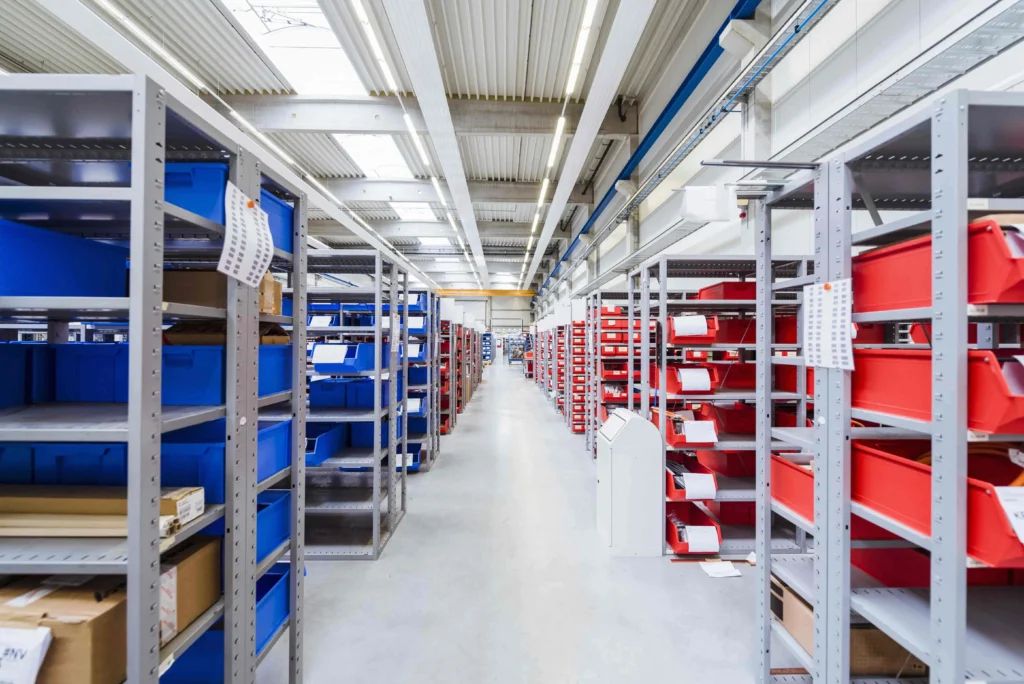
Different storage environments require different types of shelving systems. For many commercial applications, wire shelving is one of the most practical solutions.
Wire shelving systems are commonly used in:
Retail stockrooms
Restaurant kitchens
E-commerce warehouses
Medical storage areas
The open-wire structure allows good air circulation, and shelf heights can usually be adjusted easily. This flexibility makes wire shelving suitable for storing products of different sizes.
For heavier products or industrial environments, heavier-duty shelving systems may be more appropriate.
Step 5: Consider Workflow and Picking Efficiency
Storage planning should also take daily operations into account. Some products are accessed frequently, while others remain in storage for longer periods.
A simple and effective approach is to organize shelves based on usage frequency:
Frequently used products on middle shelves
Heavy items on lower shelves
Lightweight or backup inventory on upper shelves
This arrangement helps reduce unnecessary bending and lifting, improving both efficiency and workplace safety.
Step 6: Plan for Future Expansion
Many companies design storage systems based only on current needs. However, as business grows, storage demand usually increases as well.
Choosing a modular shelving system makes future expansion easier. Additional shelving units or extra shelves can be added later without replacing the entire system.
Planning for expansion early can save both time and cost in the future.
Conclusion
Planning a commercial storage shelving system is not just about purchasing shelves. It involves understanding storage requirements, using space efficiently, and designing a layout that supports daily operations.
By considering product size, warehouse height, aisle spacing, and shelving type in advance, businesses can create a storage system that is both efficient and adaptable.
For companies looking for reliable shelving supply, working with an experienced manufacturer can simplify the process. ZEOU, a professional wire shelving manufacturer, provides commercial storage shelving solutions for distributors, retailers, and project clients worldwide. With stable manufacturing capacity and OEM customization support, ZEOU helps businesses build practical and scalable storage systems.
