
Choosing the right wire shelving manufacturer is a critical decision in commercial projects. Whether the application involves retail chains, warehouses, commercial kitchens, healthcare facilities, or large-scale storage systems, the supplier you select will directly affect project quality, delivery timelines, and long-term operational stability.
Unlike small retail purchases, commercial shelving projects often involve non-standard requirements, phased deliveries, and ongoing supply expectations. This guide outlines the most important factors commercial buyers should evaluate when selecting a wire shelving manufacturer.
Understand the Nature of Your Commercial Project
Before comparing manufacturers, it is essential to define the scope and characteristics of your project. Commercial shelving projects vary widely in complexity, and not all manufacturers are suited to every type.
Some projects prioritize standardized systems for fast deployment, while others require customization due to space constraints, load requirements, or operational workflows. Common variables include:
Number of locations or sites involved
Whether shelving specifications are standard or customized
Expected project duration and delivery phases
Long-term replenishment or expansion plans
Clarifying these elements early helps avoid mismatches between project needs and supplier capabilities.
Evaluate Manufacturing Capability Beyond Product Catalogs
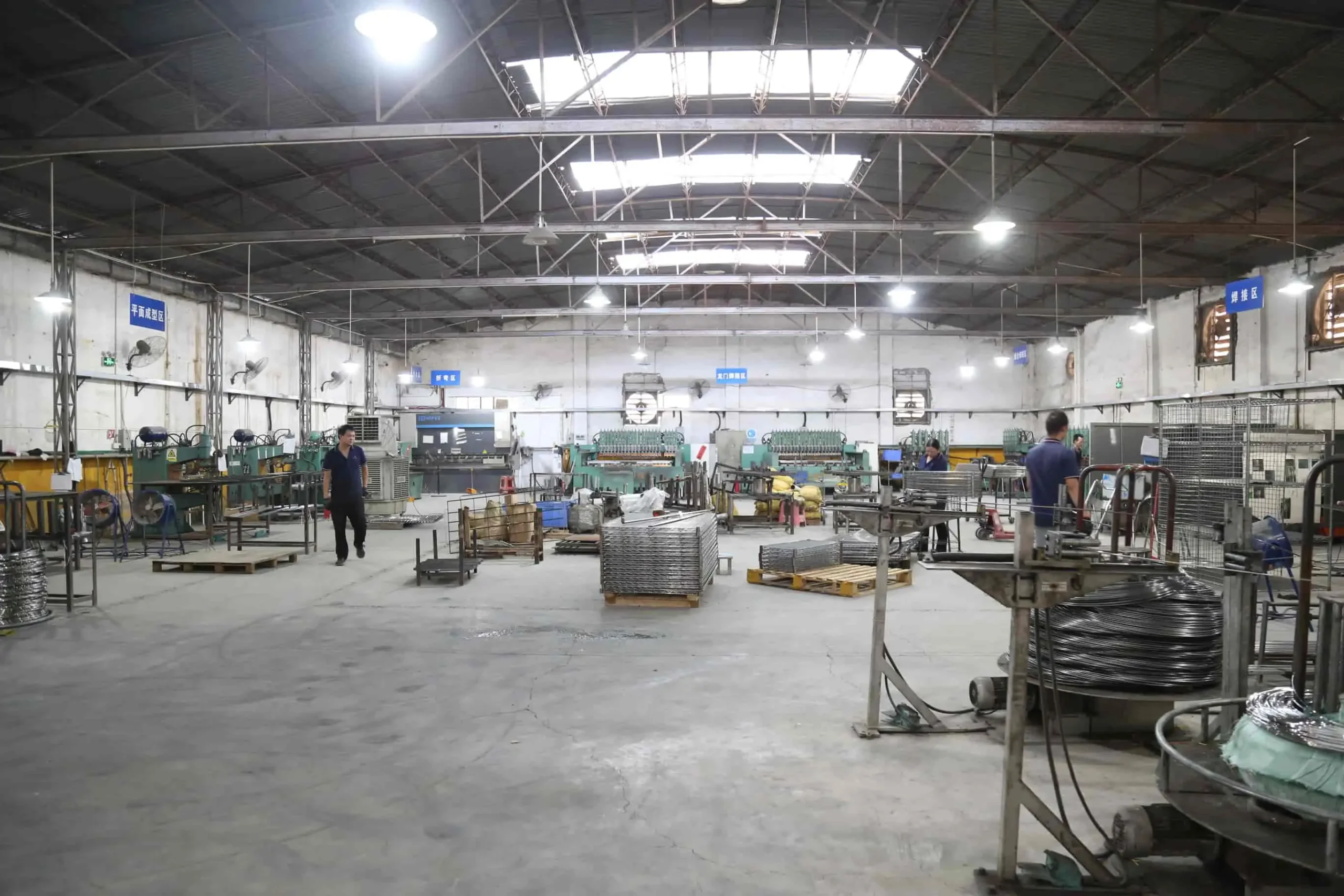
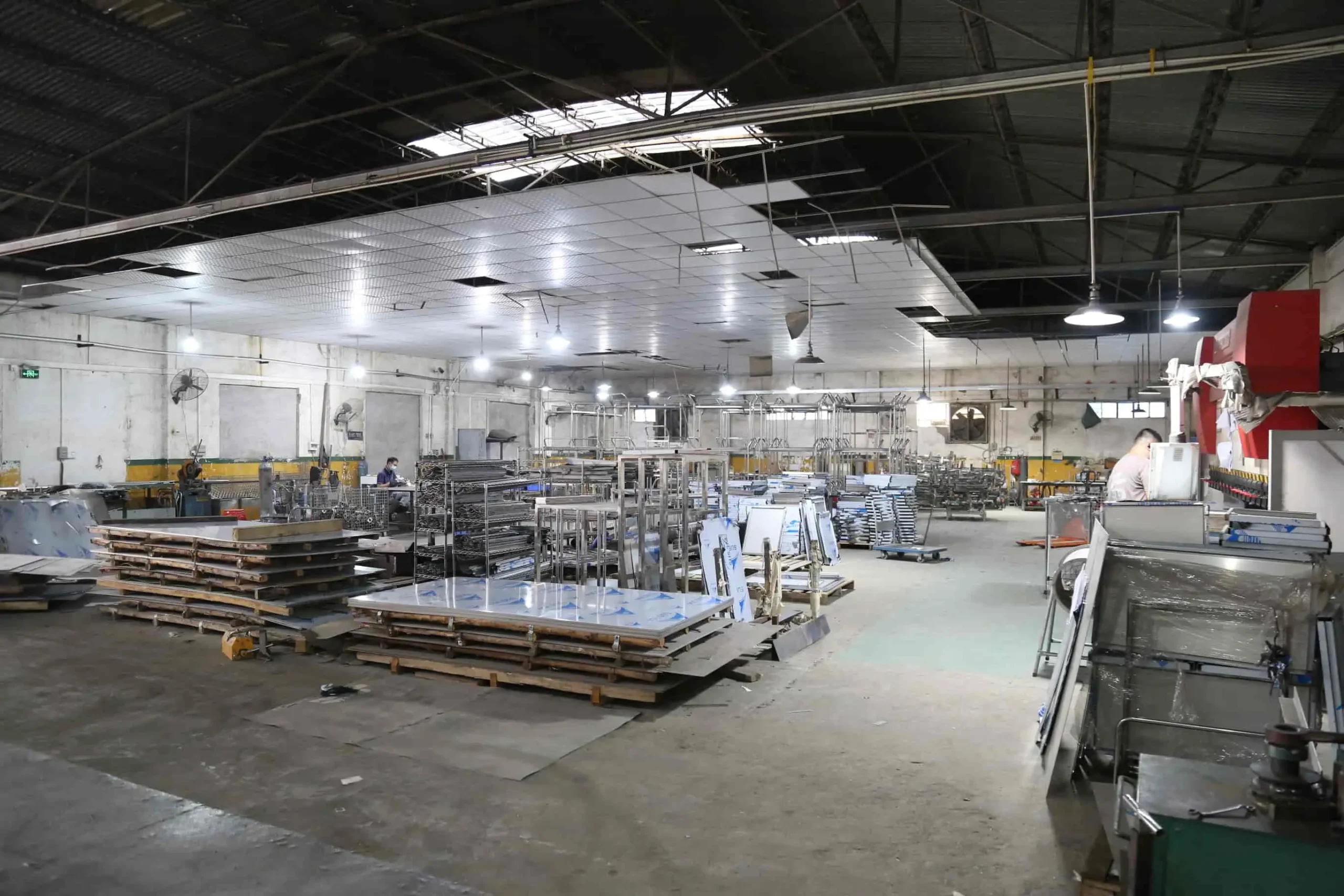
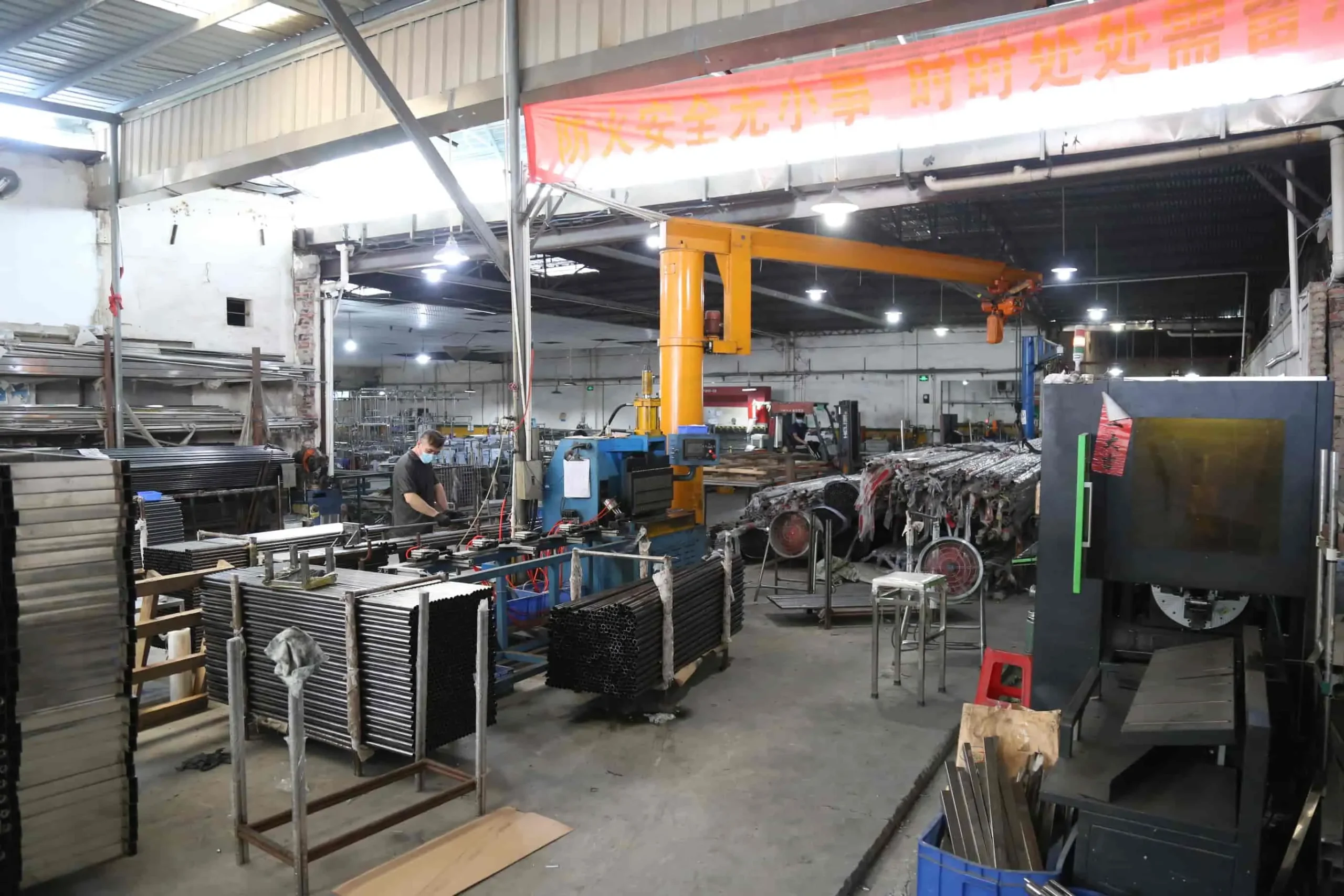
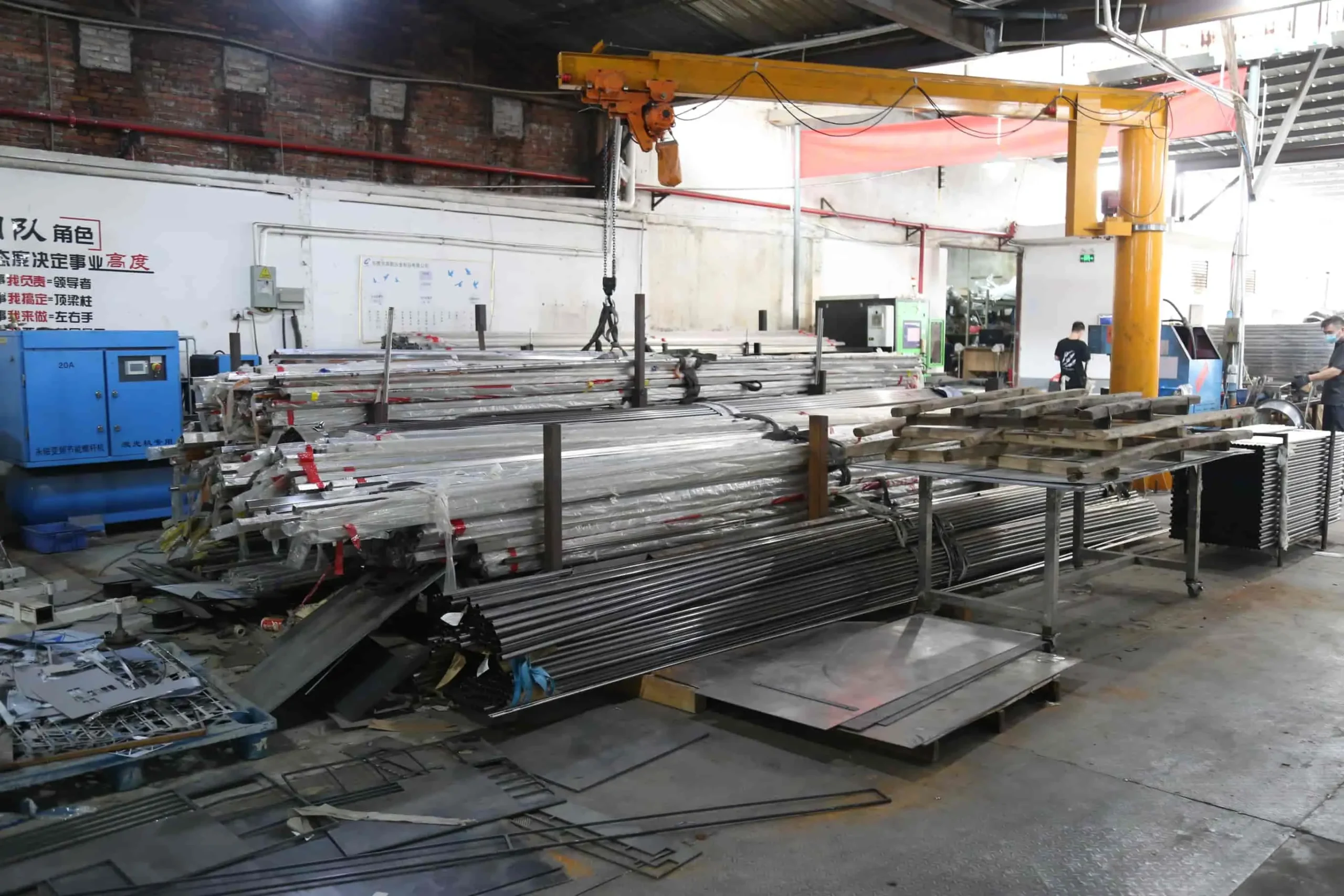
A product catalog alone does not reflect a manufacturer’s true ability to support commercial projects. Buyers should look deeper into how shelving is produced and how much control the manufacturer has over key processes.
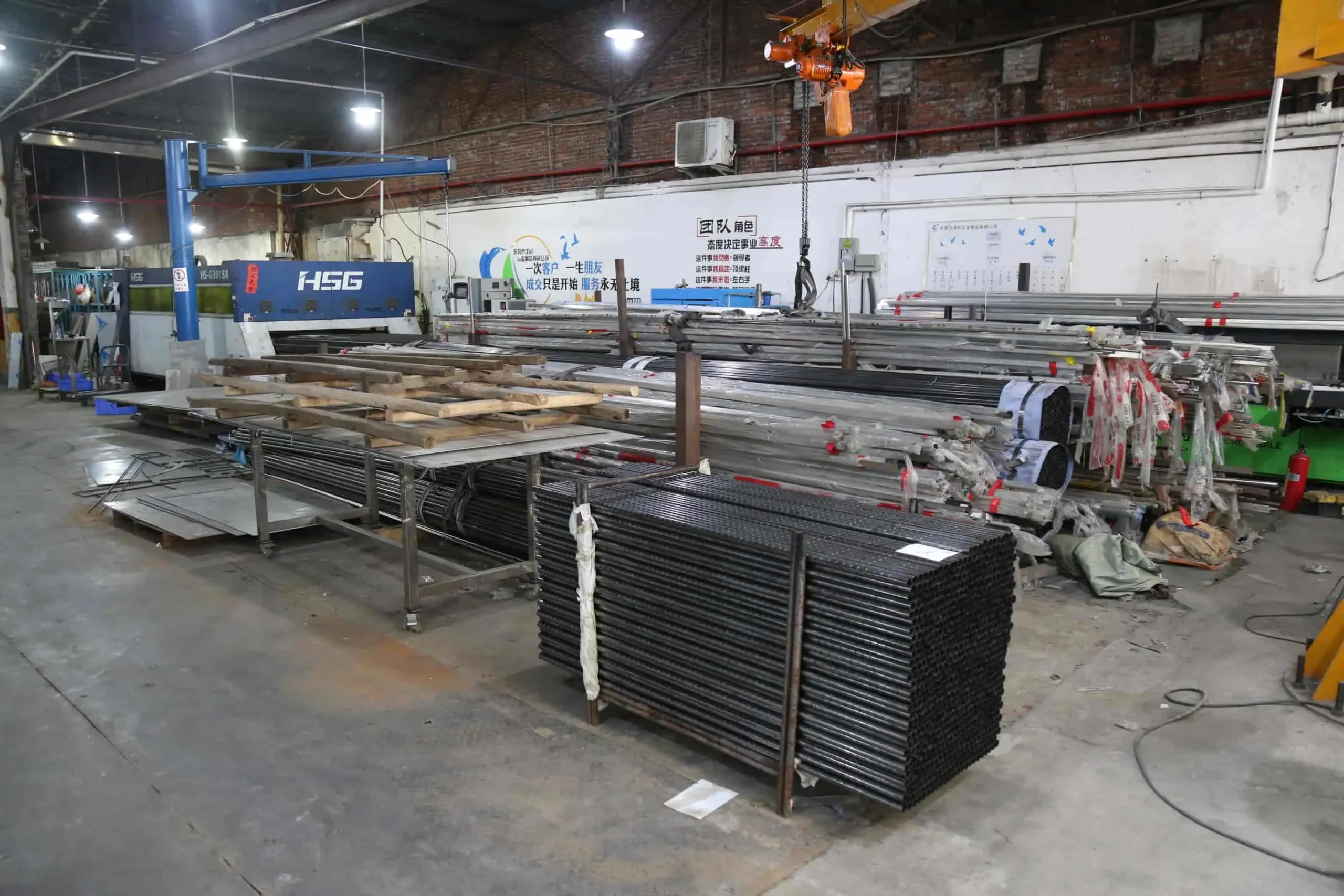
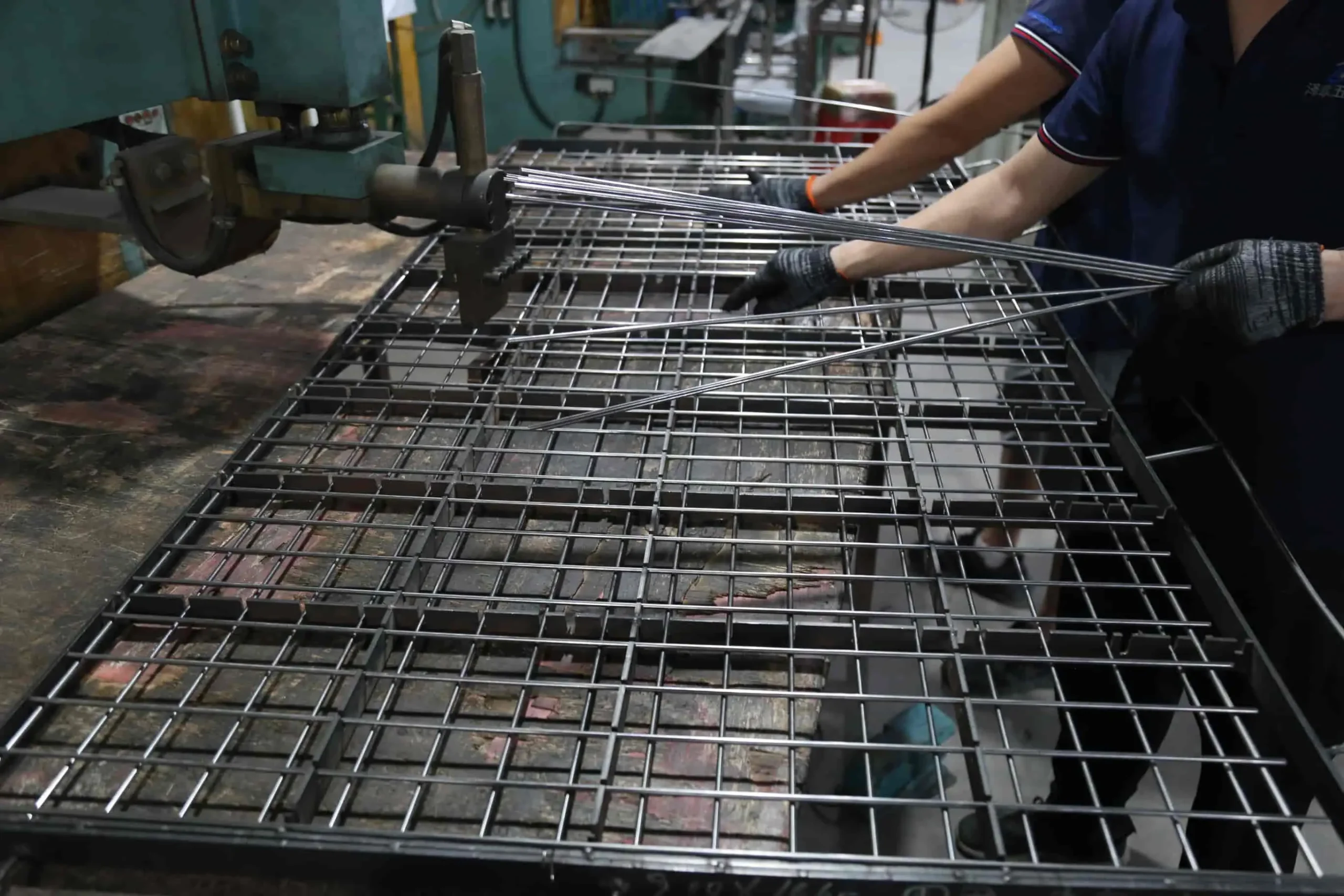
Manufacturers with in-house production capabilities are generally better equipped to manage changes and maintain consistency. Important aspects to verify include:
Wire forming and welding processes
Surface treatment and finishing options
Internal quality inspection procedures
These factors determine whether a supplier can deliver consistent results across large or repeat orders.
Assess Experience with Commercial and Project-Based Orders
Commercial projects introduce challenges that do not exist in standard wholesale transactions. These include batch consistency, documentation requirements, coordinated deliveries, and site-specific adjustments.
Manufacturers with proven experience in commercial environments are more likely to anticipate these challenges. Relevant experience may include projects for:
Retail chains or franchise rollouts
Commercial kitchens and foodservice facilities
Warehousing and logistics centers
Healthcare or institutional facilities
Such experience often translates into smoother coordination and fewer delays during execution.
Consider Customization and Engineering Support
In many commercial projects, standard shelving dimensions are not sufficient. The ability to adjust shelf spacing, dimensions, load ratings, or finishes can significantly improve installation efficiency and long-term usability.
A capable manufacturer should be able to provide basic engineering input during the planning stage. This support helps align shelving design with actual usage conditions and reduces the risk of overloading, poor fit, or future modifications.
Verify Quality Control and Compliance Practices
Consistency is critical in commercial shelving projects, especially when installations span multiple locations or are completed in phases. Manufacturers should have clearly defined quality control procedures.
Depending on the application, buyers may also need to consider compliance requirements related to hygiene, safety, or industry standards. A reliable manufacturer should be able to explain how quality is monitored and documented throughout production, rather than relying solely on final inspection.
Evaluate Production Capacity and Lead Time Reliability
Production capacity should be assessed not only by maximum output, but by consistency and predictability. A manufacturer that struggles to maintain stable lead times can disrupt project schedules and contractual commitments.
Key questions to consider include:
Can the manufacturer support phased or staggered deliveries?
Is there capacity to handle repeat or expanded orders?
How does the factory manage peak production periods?
Stable lead times are particularly important for projects with fixed opening dates or rollout schedules.
Review Communication and Project Coordination Ability
Clear communication plays a major role in successful commercial projects. Buyers should evaluate how manufacturers handle technical discussions, order confirmations, and issue resolution.
Manufacturers with structured communication processes and responsive support teams tend to perform better in complex projects. Clear drawings, timely feedback, and proactive problem-solving reduce misunderstandings and execution risks.
Balance Cost with Long-Term Value
While price is always a factor, commercial shelving projects should be evaluated based on total value rather than unit cost alone. Durability, maintenance requirements, and long-term supply reliability all influence overall project cost.
In many cases, selecting a manufacturer with stronger production control and project experience results in fewer replacements, less downtime, and more predictable long-term performance.
Conclusion
Choosing the right wire shelving manufacturer for commercial projects requires a comprehensive evaluation of project requirements, manufacturing capability, experience, and reliability. By looking beyond catalogs and pricing, buyers can identify suppliers that align with the technical and operational demands of commercial environments.
A well-matched manufacturing partner contributes not only to successful installation, but also to the long-term efficiency and stability of commercial storage systems.