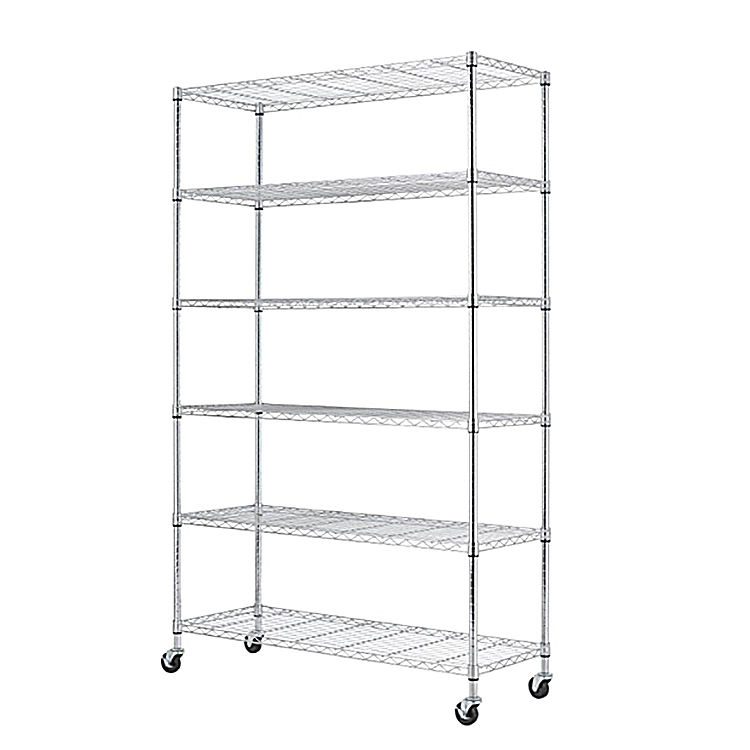
Coated wire shelving is a practical and versatile storage system widely used in retail stores, warehouses, food service environments, and general commercial spaces. It combines a steel wire structure with a protective surface coating, offering durability, clean appearance, and good resistance to wear. Because of its balanced performance and cost, coated shelving is one of the most common choices for business buyers.
What Is Coated Wire Shelving?
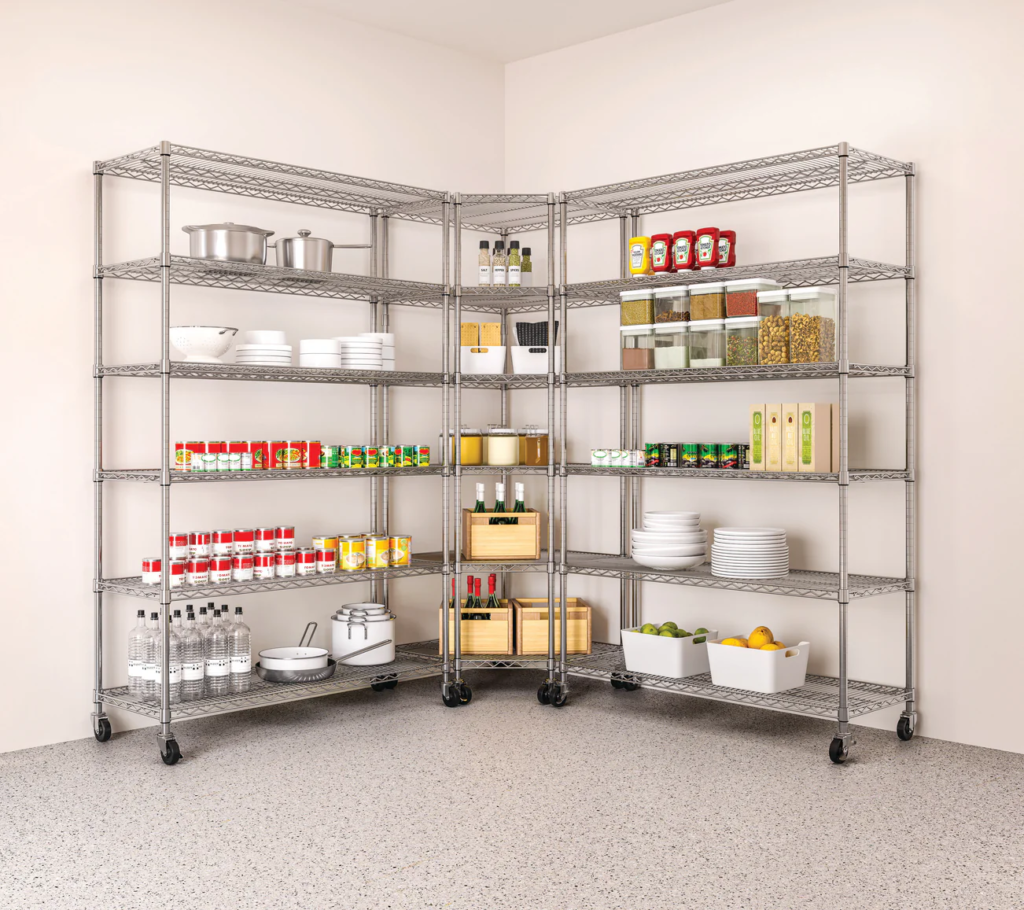
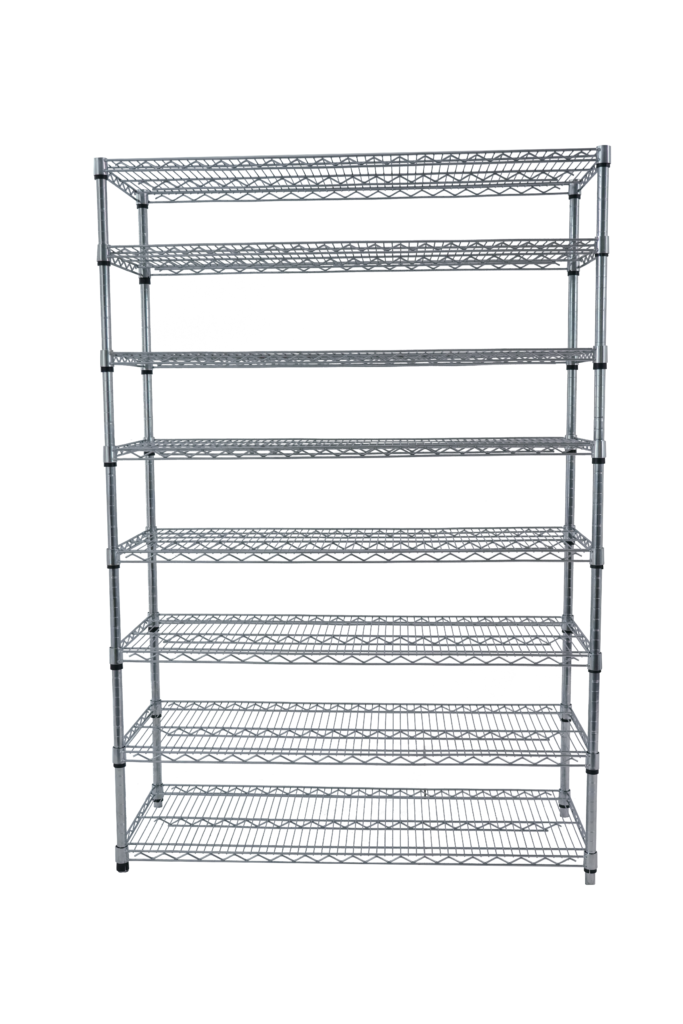
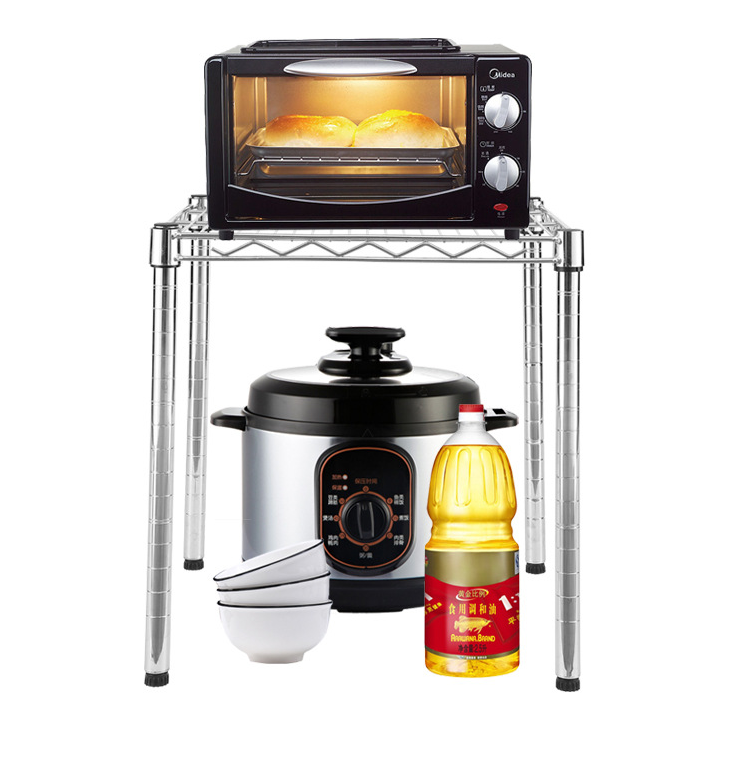
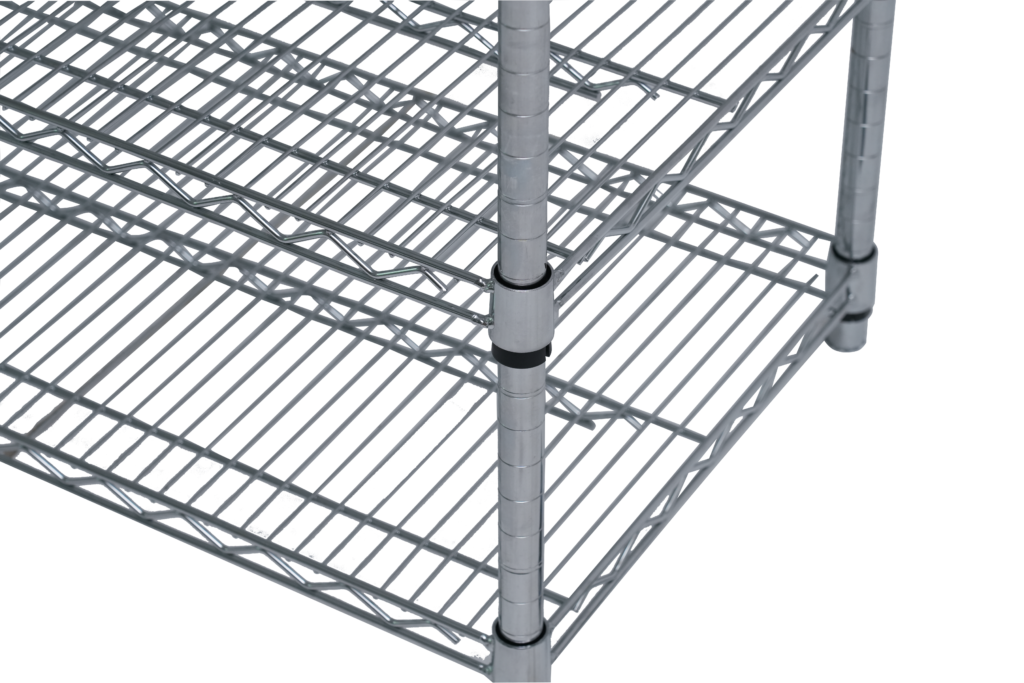
Coated wire shelving is made from steel wires that are welded into an open-grid structure. After the shelf is formed, a protective coating—usually epoxy, powder coating, or PVC—is applied to the surface. This coating improves the shelf’s resistance to scratches, rust, and moisture. It also gives the shelf a smooth and easy-to-clean finish.
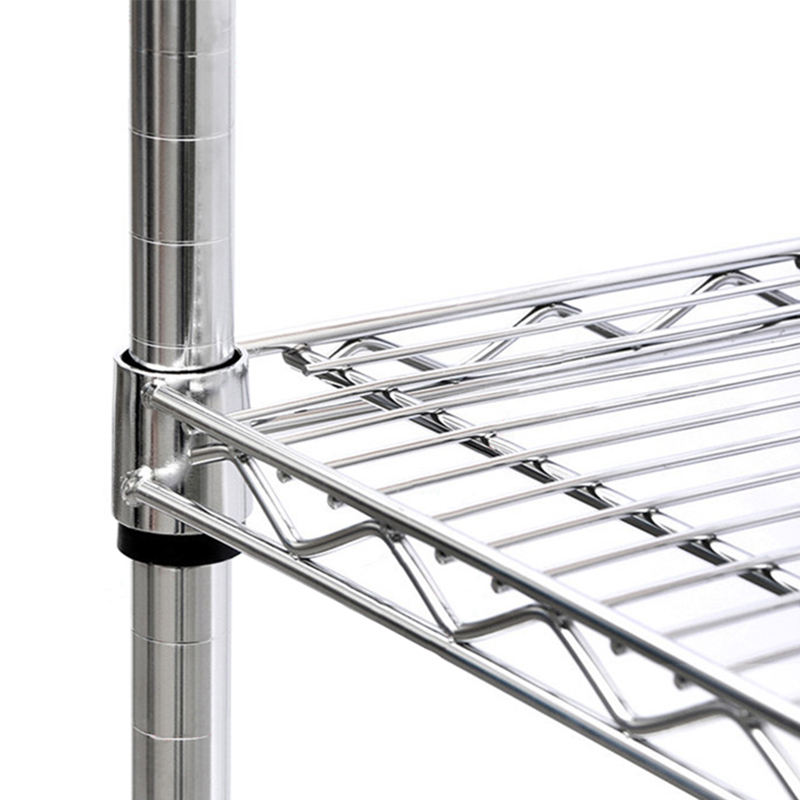
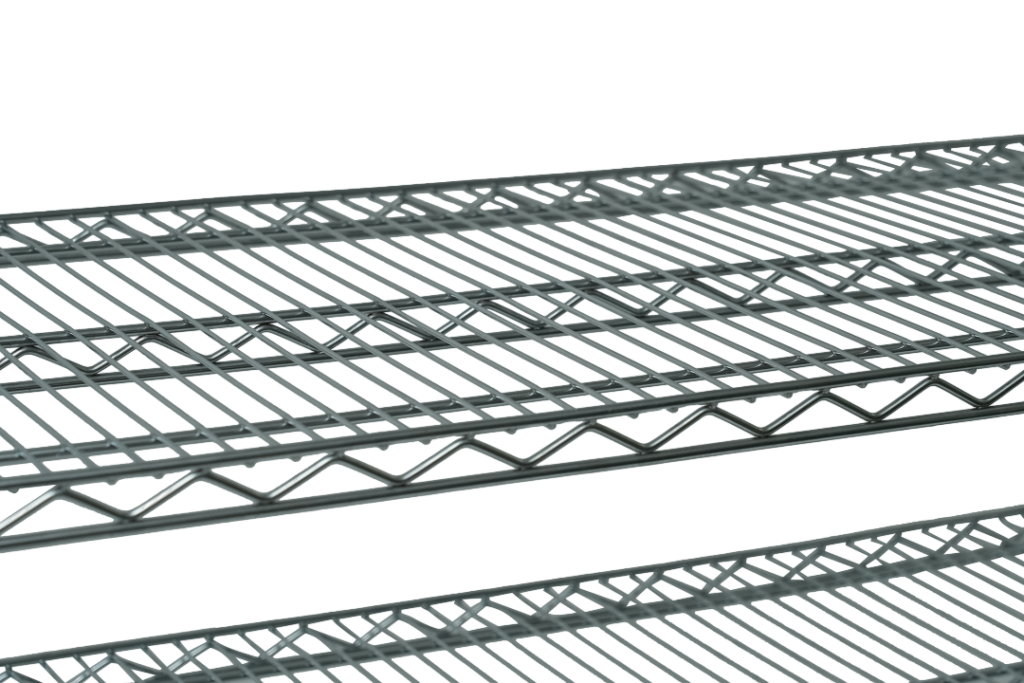
The open-grid design allows air to flow through the shelves, reducing dust buildup and improving visibility of stored items. Many businesses prefer coated wire shelving because it offers the strength of metal with the softer, more protective feel of coated surfaces.
Why Businesses Choose Coated Shelving
Coated wire shelving has several advantages that make it useful for many different industries. First, the protective coating provides extra durability. It prevents the steel from contacting moisture directly, which slows down rust and reduces surface damage. This makes coated shelving a good choice for dry or moderate-humidity areas.
Second, the coating creates a smooth, non-scratch surface that protects stored items. Retailers often use coated shelving for packaged goods, clothing storage, or light equipment because the coating prevents friction damage.
Third, coated shelving is cost-effective. It provides better durability than simple painted metal and is less expensive than stainless steel. This balance makes it ideal for large projects or multi-store rollouts.
Fourth, coated wire shelving is available in many colors, allowing businesses to match branding or create clear storage zones. White and black are the most common options.
Common Applications Across Industries
Coated wire shelving works well in both commercial and light industrial environments.
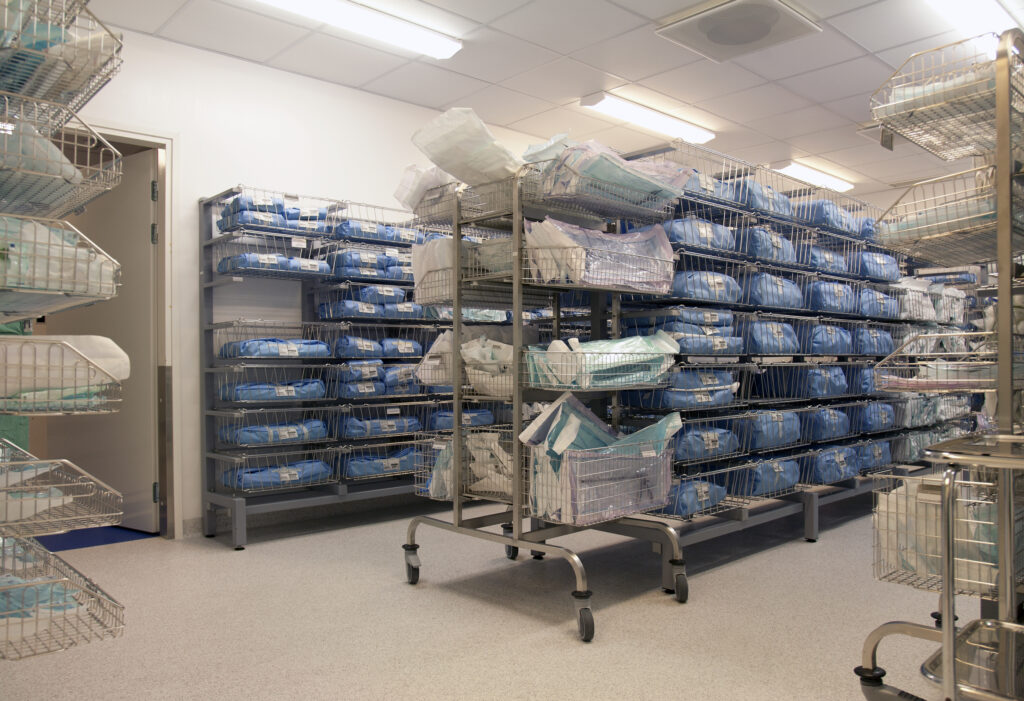
In retail, coated shelving is used for backroom storage, stock organization, and product display. The smooth surface protects garments, boxes, and consumer goods.
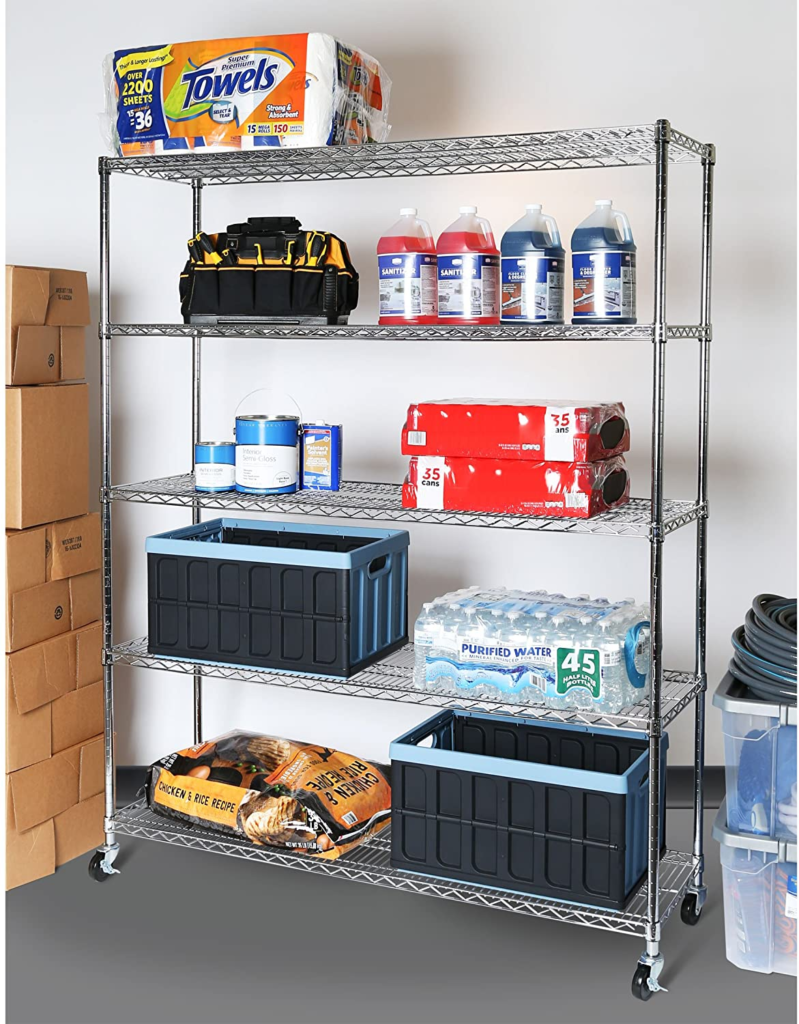
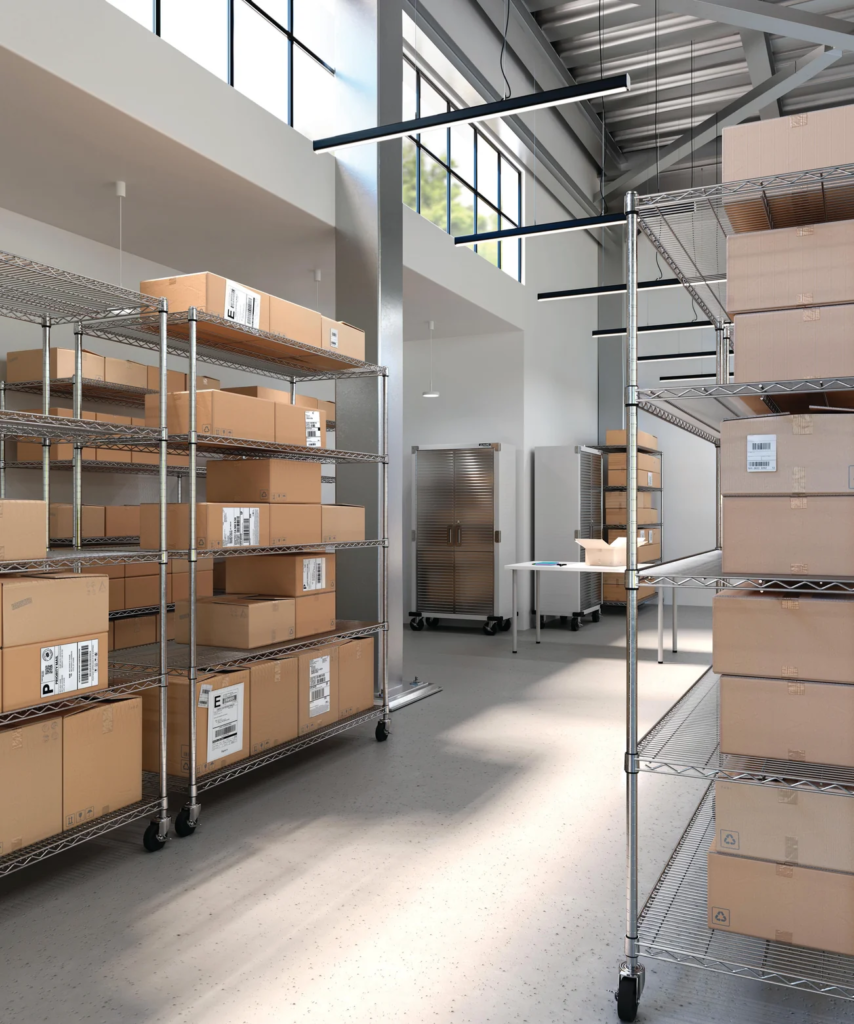
In warehousing, it is used for tools, packaging materials, and lightweight inventory. The adjustable design allows staff to change shelf heights based on product size.
In food service, coated shelving is used in dry storage areas for ingredients, packaged goods, or kitchen supplies. Although it is not recommended for wet areas, it performs well in general storerooms.
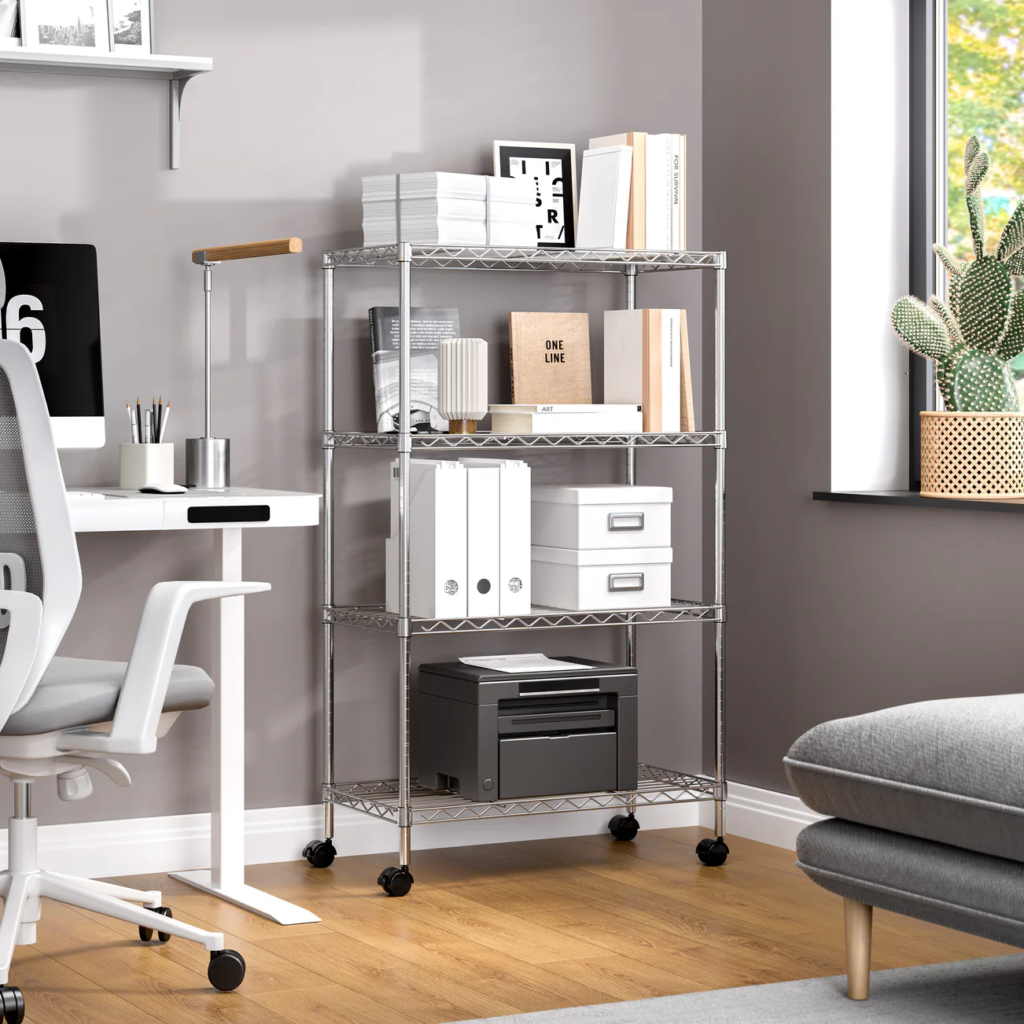
In offices and workshops, coated shelving stores documents, equipment, and supplies. The coated surface helps reduce noise and impact when items are placed on the shelf.
Many businesses also use coated wire shelving in temporary or expanding storage spaces because it is easy to assemble, lightweight, and flexible.
Types of Coated Wire Shelving
Different environments require different shelf designs. Coated wire shelving comes in several forms.
Epoxy-Coated Wire Shelving
Epoxy coating provides a smooth finish with good moisture and chemical resistance. It is commonly used in storerooms, retail backrooms, and supply areas.
Powder-Coated Wire Shelving
Powder coating creates a thick and durable layer. It withstands abrasion better than paint and is suitable for higher-traffic environments.
PVC-Coated Wire Shelving
PVC coating forms a soft, rubber-like outer layer. It protects sensitive items and reduces noise. It is often used in light storage, laundry rooms, or textile storage.
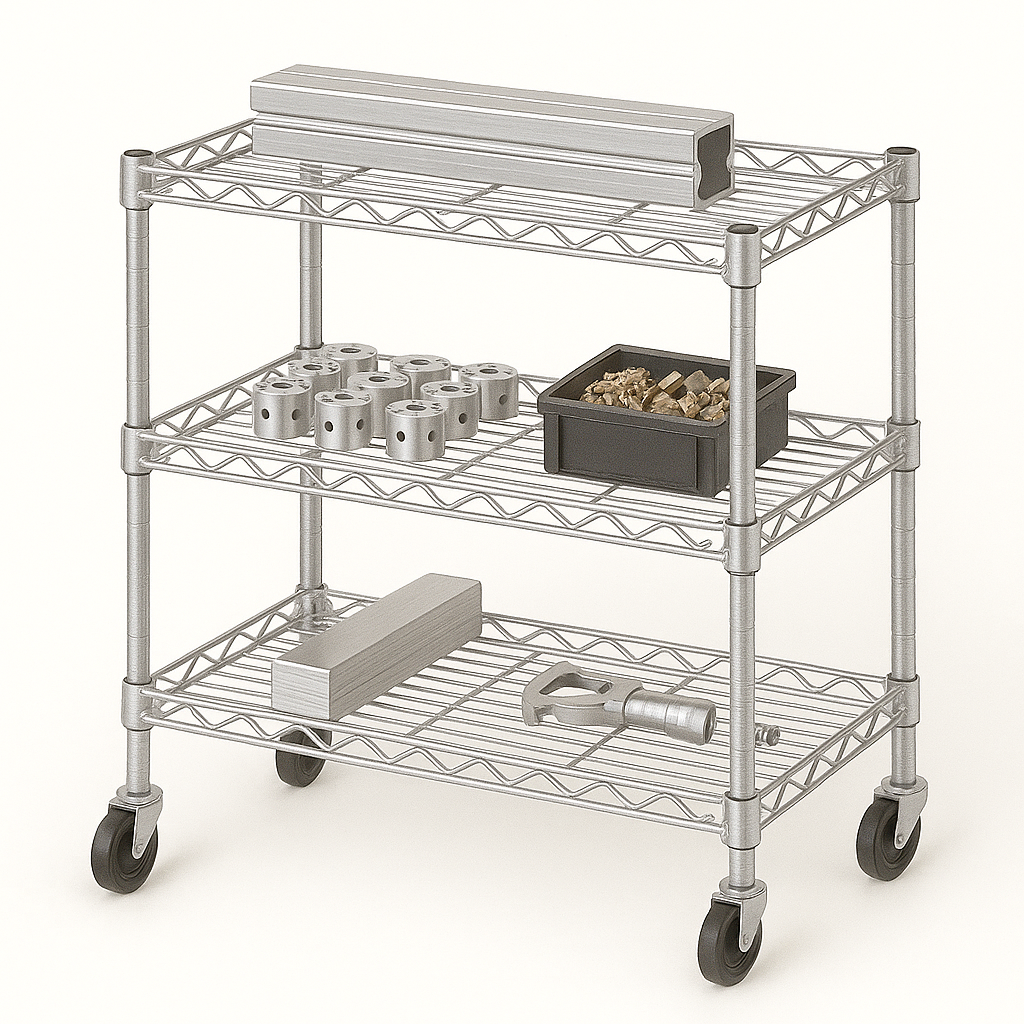
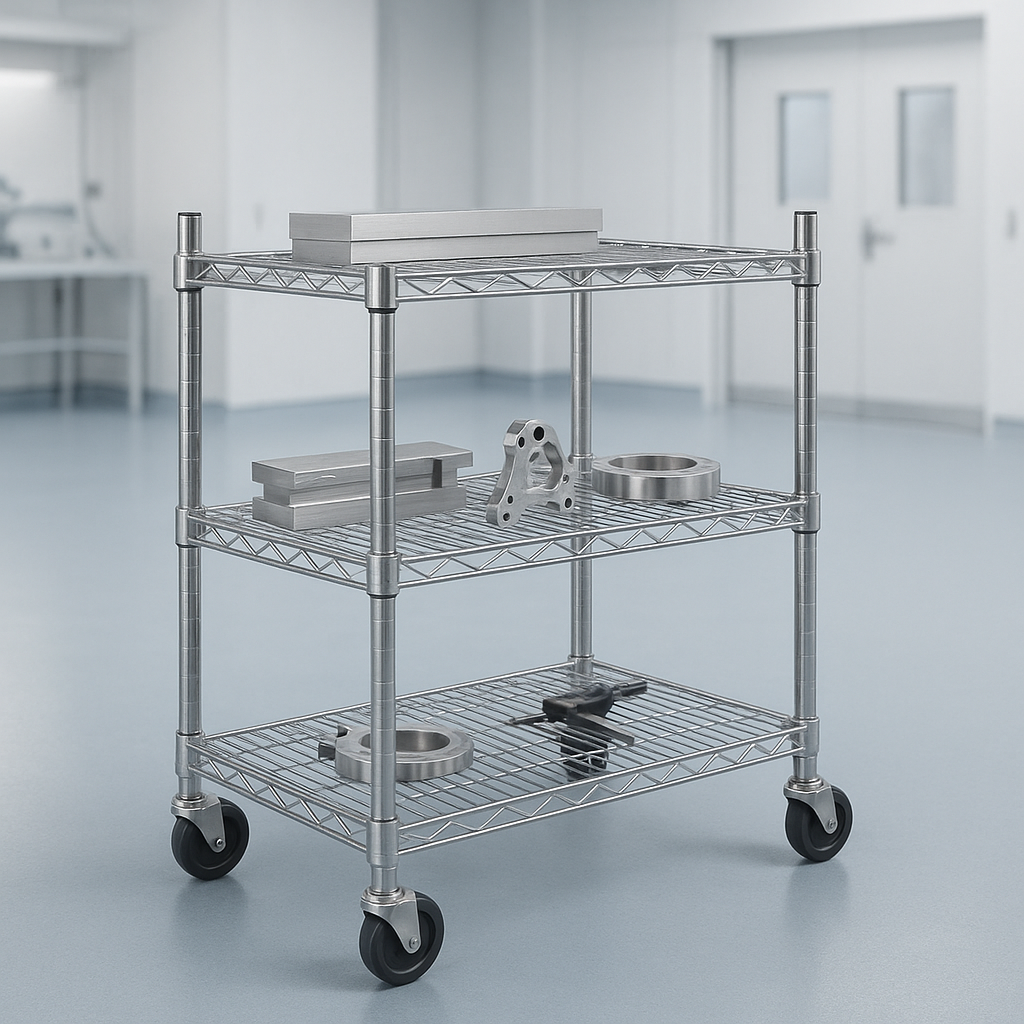
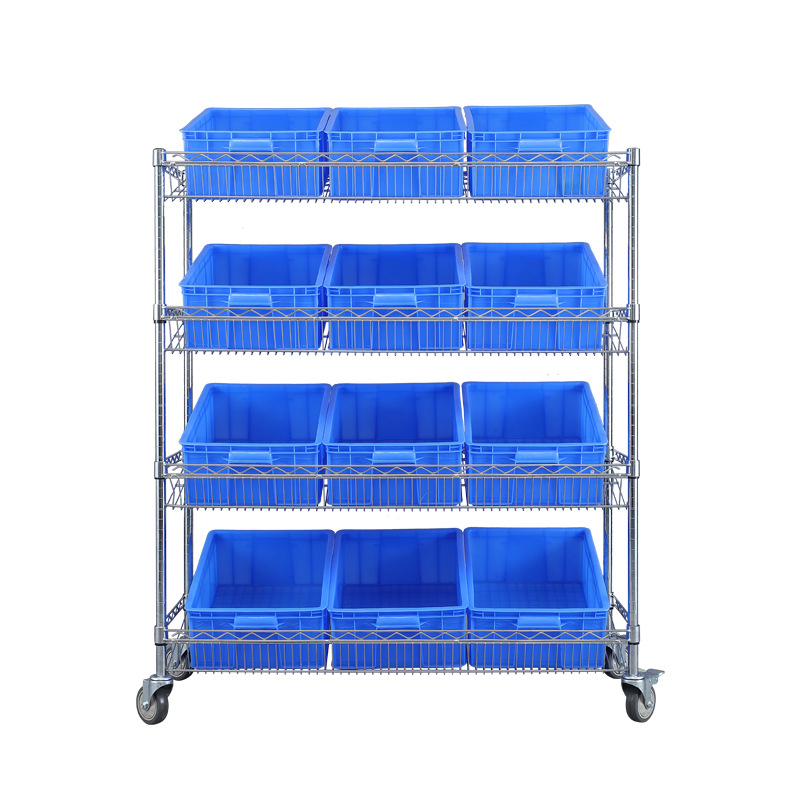
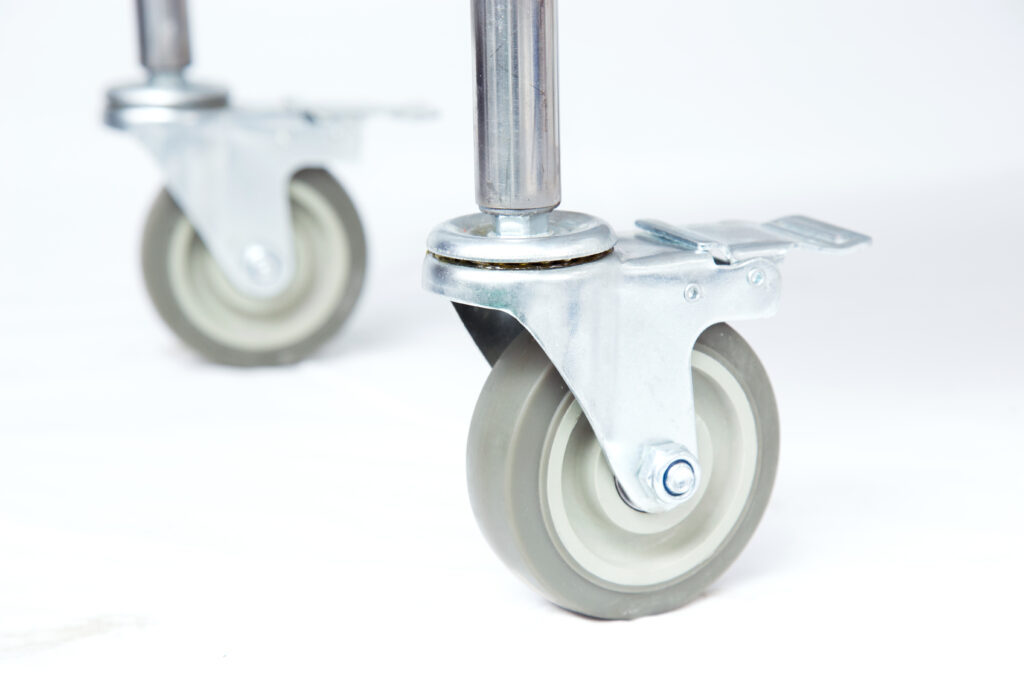
Mobile Shelving with Coated Finish
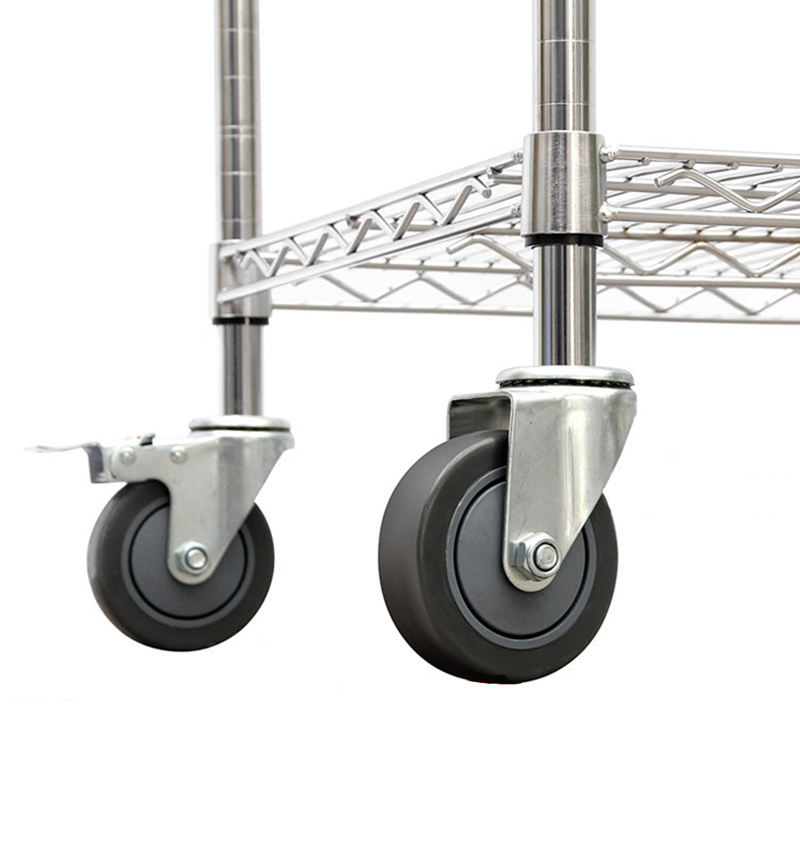
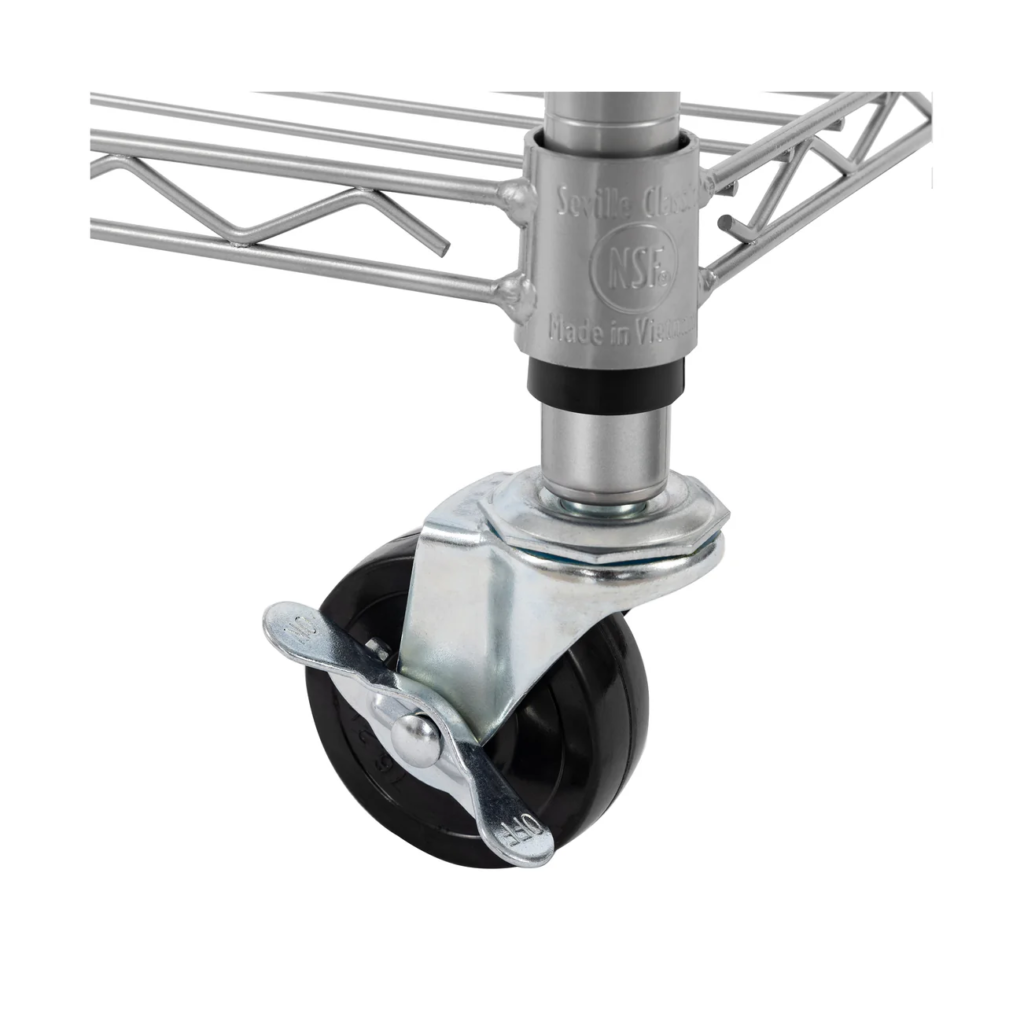
Shelves with casters allow easy movement for cleaning or layout changes. This is helpful in retail, packaging rooms, and workshops.
Heavy-Duty Coated Wire Shelving
This version uses thicker wires and reinforced frames. It supports heavier loads and is suitable for warehouse and industrial environments.
Material Features and Coating Technology
The performance of coated wire shelving depends on both the steel base and the coating material.
Steel Structure
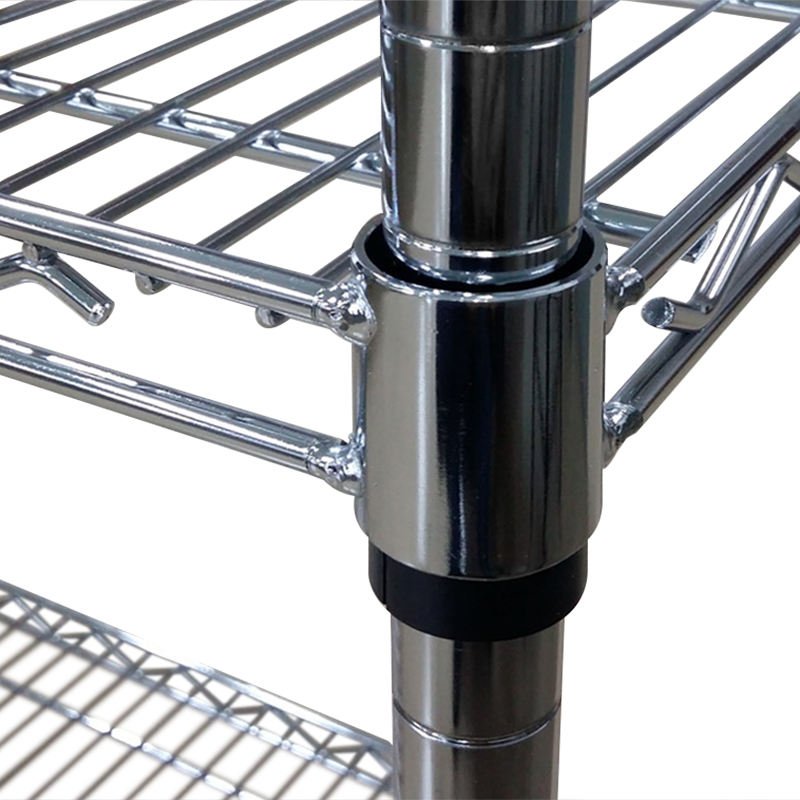
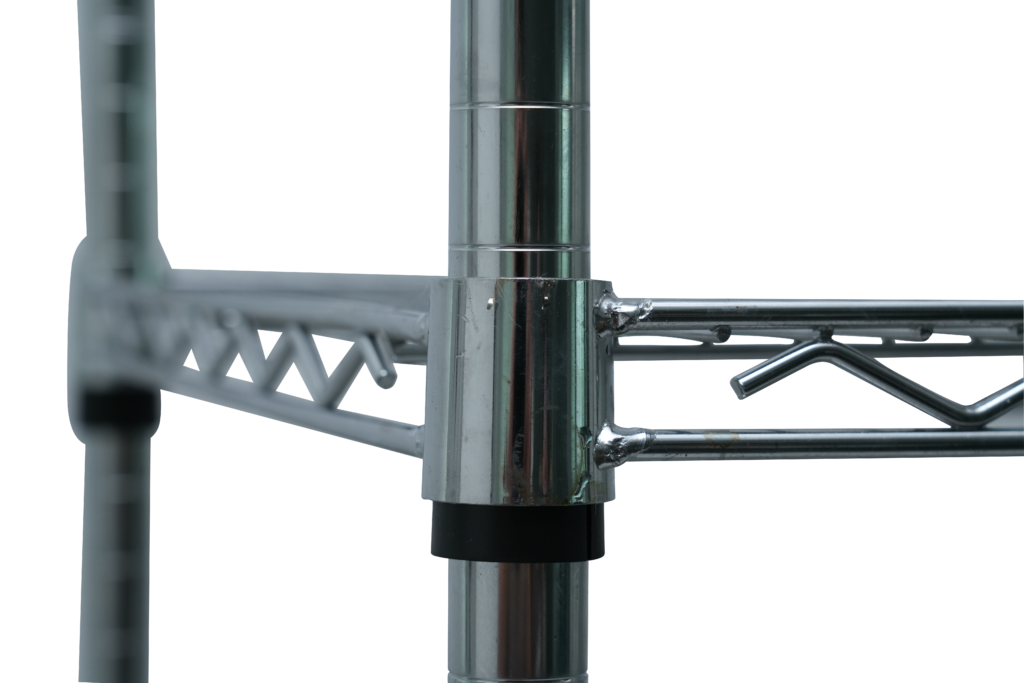
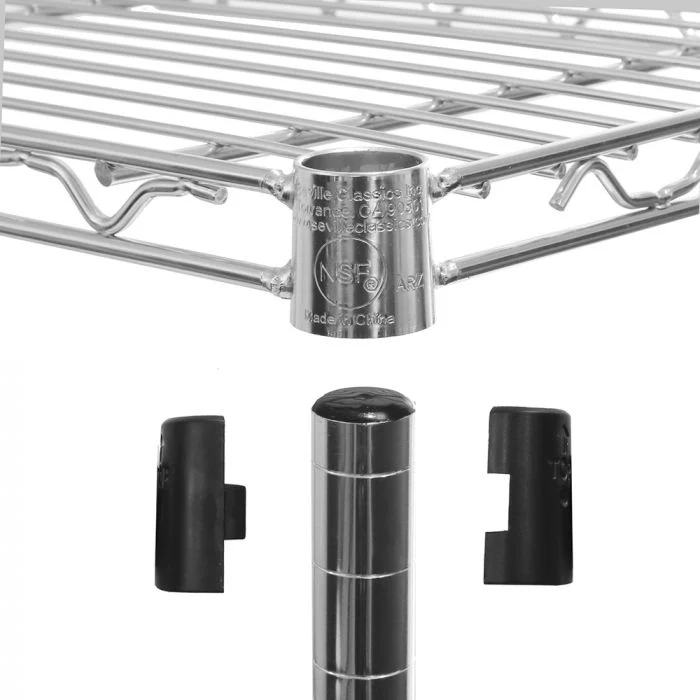
Most shelves use carbon steel wire with welded joints for strength. The steel provides the load capacity and structural stability.
Coating Layer
Coatings are applied to enhance durability:
Epoxy: smooth finish, good for indoor use
Powder coating: thicker and stronger, suitable for heavy use
PVC: softer surface, protects stored items
The coating helps resist scratches, moisture, and mild chemicals. It also adds color and makes cleaning easier.
Load Capacity and Performance
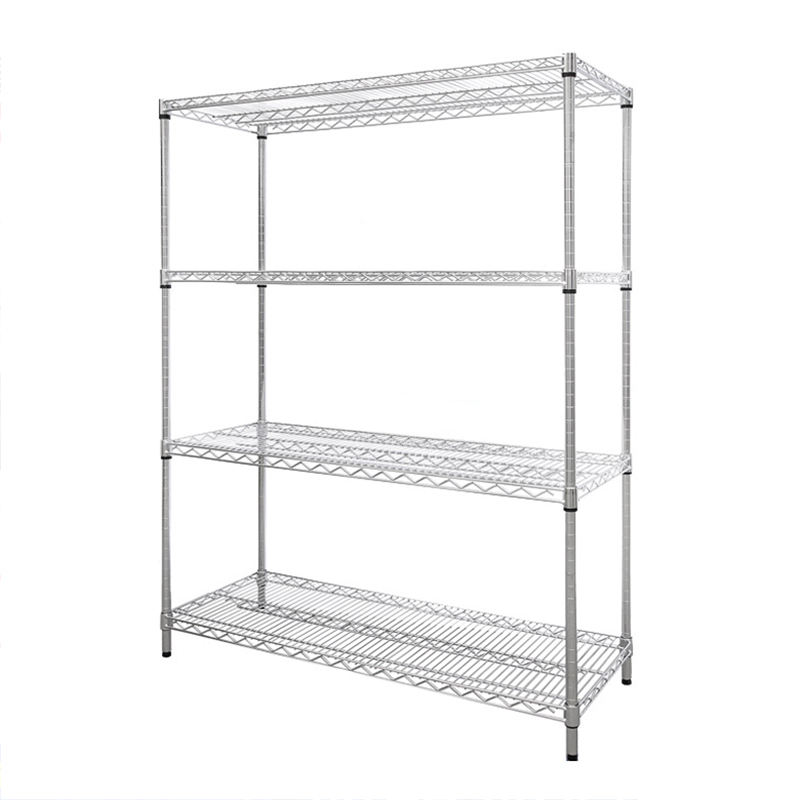
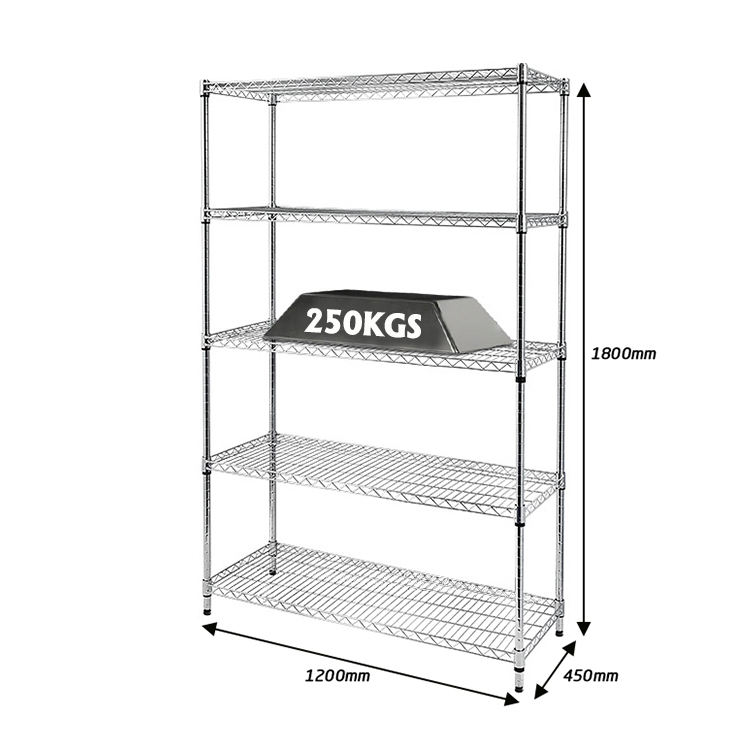
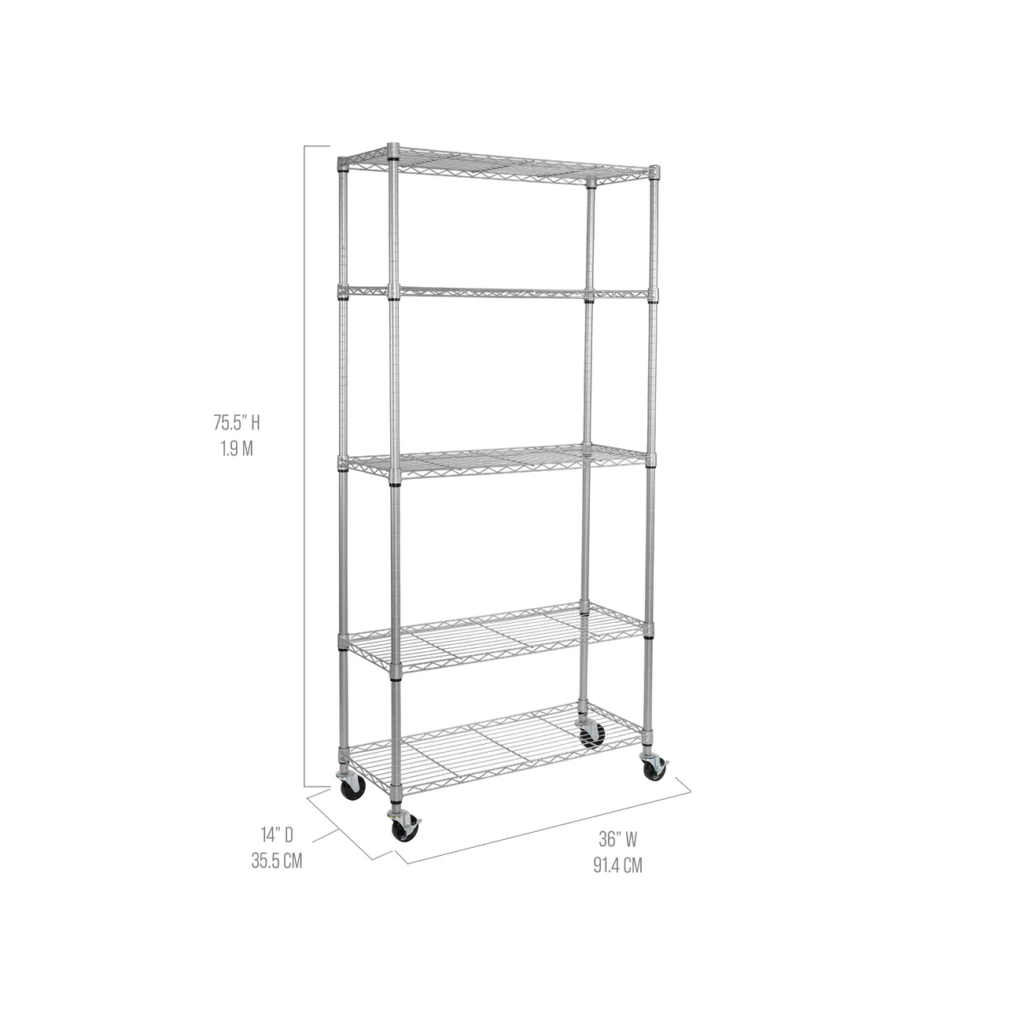
Coated wire shelving provides good load capacity for most commercial tasks. A typical four-tier unit can hold hundreds of kilograms when weight is evenly distributed. Heavy-duty options are available for more demanding environments.
The open-grid structure supports airflow and helps prevent dust buildup. The shelf surface stays cleaner for longer periods, which reduces maintenance needs. Many coated shelves also use reinforced trusses or thick wires to prevent bending or sagging.
Cleaning and Maintenance
Coated wire shelving is easy to maintain. The coating prevents rust and makes the surface smooth, so dirt does not cling to it. Cleaning usually requires only soap and water.
However, coated shelving should not be used in very wet or high-humidity environments, because prolonged moisture can cause the coating to weaken over time. For these situations, galvanized or stainless steel shelving performs better.
If the coating becomes damaged, the exposed steel may rust, so it is important to avoid sharp impacts or abrasive cleaning tools.
Where Coated Wire Shelving Performs Best
Coated wire shelving is ideal for:
It is not the best choice for kitchens, wet rooms, or walk-in coolers. Those environments require stronger corrosion resistance.
How to Choose the Right Coated Wire Shelving
Businesses should consider several factors before selecting a shelving system:
Coating type:Epoxy for general use, powder coating for high wear, PVC for soft protection
Load needs:Heavier items require reinforced shelves
Environment:Dry rooms are ideal; avoid wet areas
Mobility:Casters help with cleaning and layout changes
Size and configuration:Adjustable shelves allow better space use
Accessory options:Liners, dividers, hooks, and label holders improve organization
By matching these factors to the storage environment, businesses can achieve practical and efficient shelving performance.